Introduction to the game Zombiu Zeme
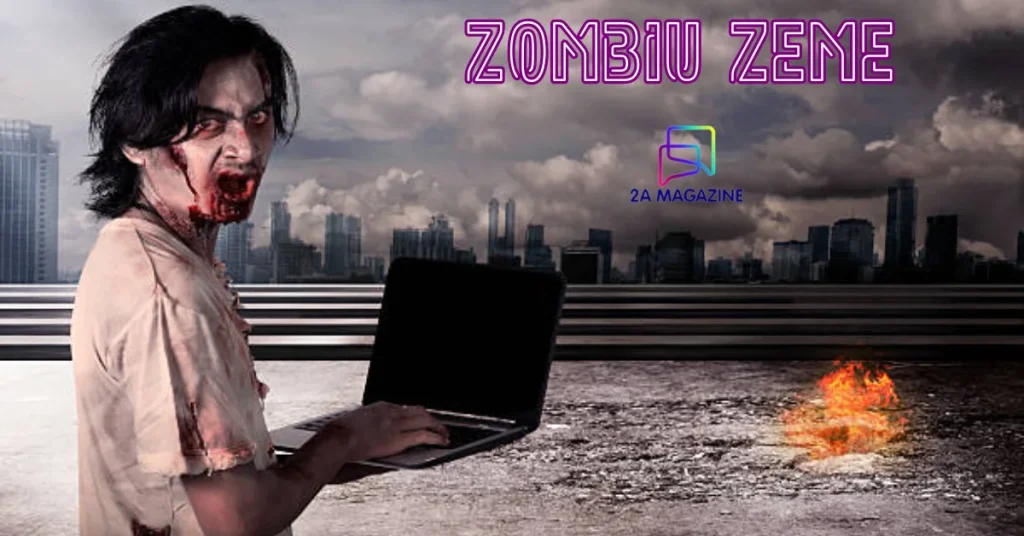
Zombiu Zeme invites players into a chilling world where survival is not just a challenge but an art form. As you navigate through the eerie landscapes filled with lurking dangers, every decision counts. This game has carved its niche in the expansive realm of survival horror, captivating fans and critics alike.
But what makes Zombiu Zeme more than just another title in this genre? It’s not only about fending off zombies; it’s also a mirror reflecting our digital society’s intricacies. From strategic gameplay to social commentary, this game pushes boundaries and encourages players to adapt and innovate as they traverse its haunting environments.
Join us on this journey as we explore how Zombiu Zeme stands apart from other games while delving into the lessons it imparts about surviving—and thriving—in our increasingly complex digital landscape.
Evolution of survival horror games and its impact on society
Survival horror games have morphed significantly since their inception. Early titles relied heavily on atmosphere and limited resources, immersing players in a world of dread. These mechanics tapped into primal fears, making survival not just a game mechanic but an emotional experience.
As technology advanced, so did the complexity of storytelling. Games began to explore psychological horror alongside traditional monsters, reflecting societal anxieties about mental health and isolation. This shift allowed players to grapple with deeper themes while navigating eerie environments.
The rise of multiplayer modes introduced new dynamics that emphasized cooperation under pressure. Gamers now faced challenges together, fostering community bonds even amidst terrifying scenarios.
This evolution has impacted society by creating discussions around fear management and resilience. Players learn to confront anxiety through virtual experiences, reshaping how they approach real-life challenges outside the gaming realm.
How Zombiu Zeme stands out among other survival horror games?
Zombiu Zeme carves its niche in the crowded landscape of survival horror games with an immersive and gritty atmosphere. The game’s setting—a post-apocalyptic world teeming with undead threats—pulls players into a richly detailed environment, enhancing the feeling of dread.
What truly sets it apart is its emphasis on player choice and consequence. Every decision made can lead to dire outcomes, creating an unpredictable gameplay experience that keeps players engaged at every turn.
The unique permadeath mechanic adds another layer of tension. When your character dies, you lose everything, but you can reclaim your gear by confronting your former self—a thrilling twist that encourages strategic thinking.
This blend of traditional horror elements with innovative mechanics ensures Zombiu Zeme remains memorable among fans and new players alike. Its ability to challenge not just skills but also emotional resilience makes for a compelling gaming experience unlike others in the genre.
The strategic elements of the game and its reflection of digital society
Zombiu Zeme cleverly intertwines survival mechanics with strategy, creating a compelling narrative about adaptability. Players must navigate an unpredictable environment while managing resources, which mirrors our daily digital interactions.
In the game, every decision counts. The need to scavenge for supplies reflects how individuals curate their online and offline lives. Just as players prioritize tools and allies, society increasingly values connections through social media platforms.
The strategic elements also highlight risk management. Choosing when to engage or evade enemies speaks volumes about personal choices in real life—balancing work-life dynamics or deciding on cybersecurity measures can have lasting consequences.
Furthermore, the game’s emphasis on collaboration echoes modern teamwork trends seen in remote working environments. Adaptability is key; just like players learn to evolve their strategies based on their surroundings, so too do we adjust our approaches in an ever-changing digital landscape.
Case study: How players adapt to the digital world in the game?
In Zombiu Zeme, players face a relentless world filled with dangers lurking at every corner. The game challenges them to think on their feet and adapt quickly to survive.
Each encounter requires strategic planning. Players must assess resources carefully before making decisions. Every bullet counts, and each item can be the difference between life and death.
The digital landscape of the game mirrors real-world scenarios where technology plays a pivotal role in survival. Communication becomes essential; sharing information about enemy locations or resource hotspots is vital within player communities.
Moreover, players learn to navigate social dynamics as they align themselves with allies or fend off rivals. This interaction reflects modern societal trends—collaboration versus competition in an interconnected world.
Through these experiences, gamers not only sharpen their skills but also develop insights into adaptability—a crucial trait for thriving in today’s rapidly changing environment.
Lessons learned from playing Zombiu Zeme and their real-life applications
Playing Zombiu Zeme teaches players the importance of resource management. Every item counts, and this awareness can translate into daily life. Understanding how to prioritize essentials helps in both personal and professional settings.
The game also emphasizes adaptability. Participants encounter erratic obstacles that demand instantaneous cognitive processing. This skill is valuable when navigating real-world obstacles—whether adjusting to a new job or managing unforeseen events.
Collaboration becomes crucial as well. Teaming up with others leads to better survival rates within the game, which mirrors our need for teamwork in everyday scenarios. Building strong relationships fosters support networks essential for overcoming difficulties.
Zombiu Zeme instills resilience. The constant risk of failure encourages players to try again after setbacks, reinforcing a growth mindset applicable in all areas of life—from academics to personal goals. Embracing failures as opportunities for learning can lead to greater success down the line.
Conclusion
Zombiu Zeme has carved its niche in the crowded arena of survival horror games. From its unique gameplay mechanics to its immersive environment, it reflects both the fears and challenges of our digital society. Players must navigate not just a world filled with zombies but also one that echoes real-world dynamics.
The evolution of survival horror games speaks volumes about our societal anxieties; they mirror our struggles against technology, isolation, and adaptability. Zombiu Zeme stands as a testament to this evolution by blending strategic elements into its core design. It encourages players to think critically while managing resources and making decisions under pressure.
As gamers maneuver through their virtual surroundings, they are forced to adapt quickly—much like we do in reality amid rapid technological advancements. The game fosters skills such as problem-solving and resource management that can easily translate into everyday life.
There’s much more than entertainment at play here; lessons garnered from Zombiu Zeme resonate deeply with contemporary issues faced today. As players confront challenges within the game, they gain insights on resilience and innovation that extend beyond the screen.
In engaging with this captivating title, one doesn’t simply escape into fiction but discovers reflections of their own journey in an increasingly complex digital landscape. Embracing these experiences can lead to profound personal growth—and perhaps inspire a new way of navigating both virtual realms and reality itself.