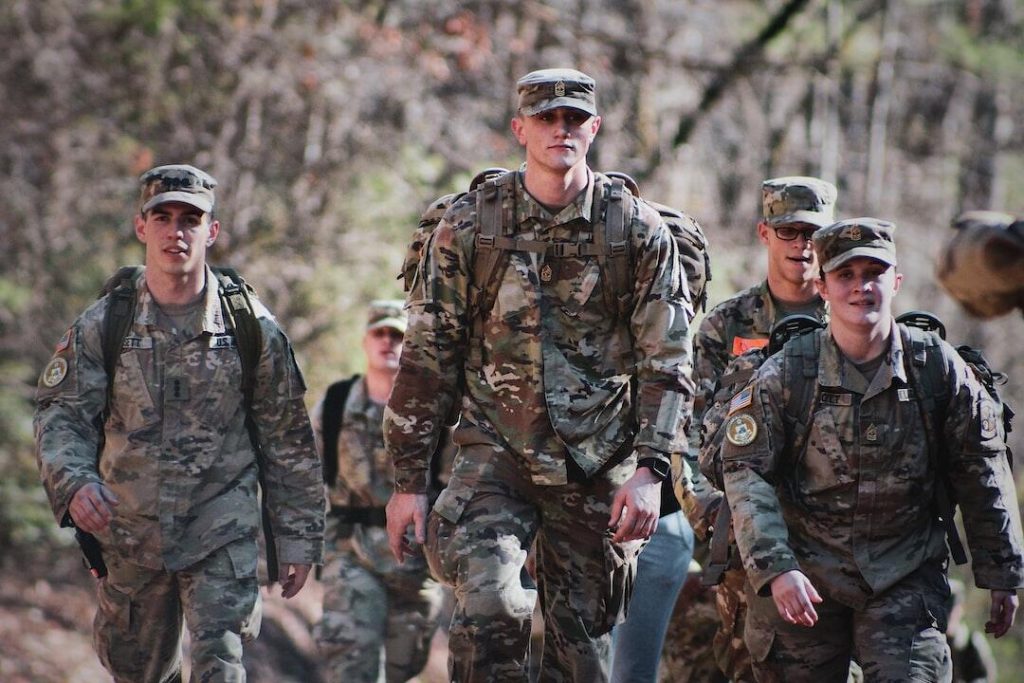
Working on military bases overseas comes with unique risks and responsibilities. Contractors face strict rules, unfamiliar environments, and higher safety demands.
That is why having the right workers’ compensation coverage is not just helpful. It is essential. It protects your team, your business, and your peace of mind while operating far from home.
From medical support to injury claims, proper coverage keeps everything running smoothly. If you are taking on projects abroad, you need protection that works as hard as you do. Here is what you should know to stay covered and confident.
Understanding Workers’ Comp Requirements for Overseas Contractors
Working overseas isn’t the same as working at home. Contractors must follow special rules for workers’ compensation to ensure their team is protected.
When working with the military, coverage requirements may differ depending on:
- the country
- project type
- client
It’s not just about injury protection. Workers’ comp can cover illness, evacuation, and medical treatment, which are critical in foreign locations.
Understanding the legal and insurance requirements ahead of time prevents surprises and keeps operations smooth. Proper planning also reassures employees that their safety and well-being are priorities.
Taking the time to learn what is required is an essential step before any overseas assignment.
Why Military Base Projects Demand Specialized Coverage
Military bases have strict safety standards, security protocols, and high-risk environments. Contractors face unique challenges, including:
- hazardous equipment
- restricted access
- potential security threats
However, regular insurance may not cover these scenarios. This leaves contractors vulnerable. Specialized workers’ comp plans for military projects address these risks directly.
Without proper coverage, contractors could face fines, delays, or denied claims. Having a policy designed for military work safeguards employees and protects the business’s reputation.
It also gives project managers peace of mind, knowing they are prepared for injuries, accidents, or other unexpected situations that could arise on a base.
Key Benefits of Workers’ Compensation for International Work
Workers’ comp for international assignments offers more than just medical coverage. It protects employees against workplace injuries, covers emergency evacuation, and even assists with lost wages.
Contractors can ensure their team has access to quality care no matter where they are. It also helps maintain compliance with government contracts and local laws, reducing legal risks.
Beyond protection, it boosts morale. Employees feel safer knowing they are covered. A strong policy can prevent costly lawsuits, reduce downtime, and help the company stay competitive for future contracts.
What Contractors Need to Know About Defense Base Act
DBA is a federal law requiring workers’ comp coverage for employees on U.S. military bases abroad. It covers injuries, illnesses, and sometimes death while working on government contracts.
Understanding DBA rules is essential for compliance. Contractors must ensure their policies meet these standards to avoid penalties or denied claims.
However, filing a claim under DBA can be complex. That’s why you need a trusted Defense Base Act attorney to guide you through the process.
Knowing your responsibilities can help:
- protect your team
- support injured workers
- maintain project credibility
Early planning ensures smooth operations and peace of mind when working in high-risk or remote locations.
Common Risks Faced on Overseas Military Bases
Working on a military base overseas comes with many risks. Employees can get hurt by:
- heavy machinery
- electricity
- construction tools
Weather, poor roads, or dangerous materials also add risks. Security issues, such as restricted areas or possible attacks, make it more complicated. Illnesses from local conditions or not having quick medical care can cause more problems.
Workers’ comp helps with medical bills, evacuation, and lost wages. Training and planning, along with proper insurance, make work safer.
When contractors prepare ahead, they can handle accidents or emergencies quickly and keep their team safe.
How to Choose the Right Workers’ Comp Policy
Picking the right policy takes some research. Look for coverage made for overseas work, especially on military bases. Check what it covers, like medical care, evacuation, or disability.
Also, make sure you understand the limits and what’s not covered. Working with insurance brokers who know government rules helps a lot.
You need to compare quotes and read reviews to get the best value. You must also consider your team’s size, roles, and location.
Remember, a good policy protects your employees and keeps your business legal and running smoothly. Planning now can prevent big problems later.
Coverage for Injuries, Illness, and Emergency Evacuation
Working overseas brings more than accident risks. Illness or injuries in a foreign country can become serious fast. Workers’ comp for military work usually covers medical care, rehab, and even emergency evacuation.
Evacuation is important when local hospitals are not available. Having coverage makes sure employees get help fast without worrying about costs. It also keeps work going smoothly and lowers legal risks.
Knowing they are covered makes employees feel safer. With this, contractors can focus on the job, confident they are ready for small problems or big emergencies alike.
Compliance Tips for Government and Military Contracts
Contractors must follow federal rules, local laws, and contract requirements. Up-to-date workers’ comp coverage is part of staying compliant.
You need to keep records of roles, training, and safety steps. Review policies regularly to make sure they cover all risks. Not following rules can lead to fines, contract delays, or denied claims.
Staying ahead shows professionalism and helps win future projects. Employees also feel safer knowing the company takes rules and safety seriously.
Cost Factors That Impact Your Insurance Plan
Workers’ comp costs change based on many things. Where the project is, what employees do, and how risky the work is all matter.
Overseas military projects usually cost more because of higher risks and evacuation coverage. Policy limits, claim history, and company size also affect price.
Picking coverage that fits your needs, not just the cheapest, protects your employees when it counts. Higher premiums may be expensive, but they can save you money by avoiding big claims or legal problems.
Budgeting for proper coverage is an investment in safety, following the rules, and long-term business success.
Protecting Your Workforce and Business Reputation
Keeping your team safe and covered shows that you value them and your business. Strong workers’ comp protection reduces risks, builds trust, and keeps operations running smoothly.
Don’t wait for an accident to happen. Review your coverage today, update your policies, and make sure your workforce is fully protected. Make safety and compliance a top priority to stay confident and prepared for whatever comes next.
Did you find this article helpful? Check out the rest of our blog now!