Navigating complex market dynamics requires more than just good intuition. You need a comprehensive roadmap to achieve sustainable growth and maintain a competitive edge of Strategy Consulting Firm. Developing this roadmap often requires an objective perspective that internal teams struggle to provide.
This is where partnering with a specialized strategy consulting firm becomes invaluable to your organization. These experts bring deep industry knowledge, proven analytical frameworks, and unbiased insights to help you identify blind spots and uncover hidden opportunities. By aligning your operational capabilities with your long-term vision, they enable you to make confident, data-driven decisions. Read on to learn how expert strategic guidance can transform your business operations and accelerate your growth trajectory.
What Exactly Does a Strategy Consulting Firm Do?
A strategy consulting firm advises organizations on high-level decisions to improve overall performance and direct future growth. Unlike operational consultants who focus on day-to-day process improvements, strategic advisors look at the broader picture. They analyze market trends, evaluate competitive landscapes, and help leaders define their corporate vision.
These firms act as an extension of your executive team. They bring specialized expertise to tackle complex problems like market entry, mergers and acquisitions, or comprehensive digital transformations. Consultants dive deep into your company’s financial health, structural organization, and market positioning.
Through rigorous data analysis, they identify inefficiencies and pinpoint lucrative opportunities. They deliver actionable recommendations that help leadership teams allocate resources effectively. Ultimately, their goal is to provide a clear, evidence-based path forward that maximizes profitability and shareholder value.
The Core Components of Effective Business Strategy
Building a resilient business strategy requires balancing multiple foundational elements. First, you must establish a clear value proposition. Your organization needs a distinct reason why customers should choose your products or services over competitors. This differentiation forms the bedrock of your market positioning.
Next, resource allocation plays a critical role in strategic success. You must distribute capital, talent, and technology efficiently to support your highest-priority initiatives. Without proper resource management, even the most innovative strategies will fail during the execution phase.
Finally, agility is an essential component of modern business strategy. Markets shift, consumer preferences evolve, and new technologies disrupt established norms. A robust strategy includes contingency plans and feedback loops. This allows your leadership team to pivot quickly when external conditions change, ensuring long-term stability and continuous growth.
Identifying When You Need Expert Guidance
Many organizations wait until they face a crisis before seeking outside help. However, proactive engagement often yields much better results. One clear indicator that you need strategic guidance is stagnant growth. If your revenue has plateaued despite increased marketing or sales efforts, an external review can uncover the root causes.
Another trigger for bringing in experts is entering a new market or launching a highly disruptive product. These transitions carry significant risk and require precise execution. External advisors bring specialized industry knowledge that mitigates these risks and streamlines the expansion process.
You should also consider external support during major leadership transitions or corporate restructuring. An objective third party can navigate internal politics and align competing departmental interests. They keep the organization focused on shared goals, ensuring that structural changes enhance efficiency rather than disrupt ongoing operations.
Frameworks and Tools Used by Top Consultants
Professional advisors leverage established analytical frameworks to break down complex business problems. Leading agencies like McKinsey, Bain, and Boston Consulting Group (BCG) have popularized tools that bring clarity to strategic planning. For example, Porter’s Five Forces helps companies evaluate industry profitability and competitive intensity.
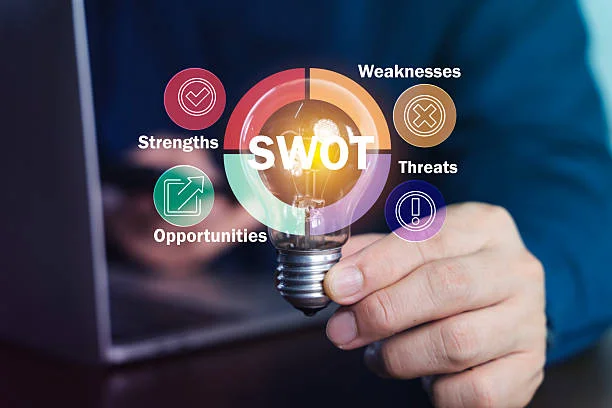
Another staple is the SWOT analysis, which evaluates internal strengths and weaknesses against external opportunities and threats. This simple yet powerful tool provides a comprehensive snapshot of a company’s strategic position. Consultants use this baseline to prioritize initiatives and mitigate vulnerabilities.
Modern strategy also relies heavily on advanced technology platforms. Consultants frequently analyze data from enterprise resource planning (ERP) systems like SAP or Oracle. They use business intelligence tools like Tableau or PowerBI to visualize market trends and customer behavior. This combination of classic frameworks and modern data analytics ensures recommendations are both theoretically sound and empirically backed.
How Strategic Planning Drives Operational Efficiency
High-level strategy and daily operations are deeply interconnected. When a company lacks a cohesive strategy, departments often work in silos. This leads to duplicated efforts, wasted resources, and conflicting priorities. Strategic planning aligns every department under a singular, unified vision.
Clear strategic goals make it easier to streamline processes. When employees understand the company’s primary objectives, they can prioritize tasks that directly contribute to those goals. Non-essential activities are quickly identified and eliminated, freeing up time and capital for high-impact projects.
Furthermore, strategic alignment improves internal communication and employee engagement. Teams perform better when they understand how their specific roles contribute to the broader success of the company. This clarity reduces friction, accelerates decision-making, and creates a more agile, responsive operational environment.
Measuring the ROI of Strategy Consulting
Investing in external advisory services is a significant financial commitment. Therefore, measuring the return on investment (ROI) is crucial. You should establish clear, quantifiable key performance indicators (KPIs) before the consulting engagement begins. These metrics will serve as the benchmark for success.
Financial metrics are the most direct way to measure ROI. Look for improvements in profit margins, revenue growth, or cost reductions directly tied to the consultant’s recommendations. For instance, if the advisors helped optimize your supply chain, you should track the specific reduction in logistical expenses over subsequent quarters.
However, qualitative improvements also matter. Enhanced market positioning, stronger brand equity, and improved employee morale are highly valuable outcomes. While these factors take longer to manifest and are harder to quantify, they often provide the foundation for sustained financial success over the long term.
Selecting the Right Partner for Your Organization
Choosing the right advisory partner determines the success of the engagement. Start by evaluating the firm’s track record in your specific industry. A deep understanding of your market’s unique regulatory environment and consumer behavior is non-negotiable.
Consider the size and culture of the advisory firm. A boutique agency might offer more personalized attention and niche expertise, while a global firm brings vast resources and international benchmarks. Ensure their working style and communication methods align with your executive team’s preferences to foster a collaborative relationship.
Always ask for case studies and client references. Reviewing their past work will give you insight into their problem-solving approach and their ability to deliver tangible results. A successful partnership relies on mutual trust, transparency, and a shared commitment to your organization’s success.
Conclusion
Developing a resilient, forward-looking business strategy is fundamental to achieving enduring market success. While internal leadership provides vital operational oversight, partnering with a strategy consulting firm injects objective analysis and specialized expertise into your planning process. These experts help you navigate complex challenges, optimize resource allocation, and leverage data-driven frameworks to drive growth.
By seeking external guidance, you empower your organization to move beyond stagnant routines and embrace innovative solutions. The insights gained from a strategy consulting firm will align your teams, improve operational efficiency, and secure a competitive advantage. Take the first step toward transformation by assessing your current strategic gaps and exploring partnership opportunities today.