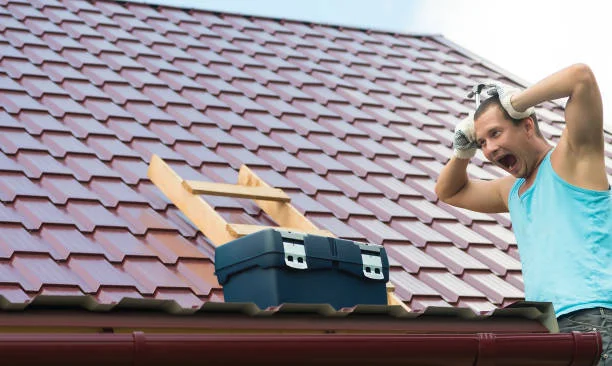
Roof leaks start small but can wreck havoc in homes over time as water sneaks into hidden spots behind walls and ceilings. Homeowners often try quick fixes without finding the real problem, which leaves water paths open to cause more damage. Experts have the training and special tools to track down these entry points accurately Roof leak repair. This article shows why precision matters for diagnosing roof leaks.
Spotting Tricky Leaks Right
The topmost reason to call roof leak repair specialists is that water from leaks wanders through twisty paths under shingles, felt, and decking. This is tough for untrained folks to see. Lots of homeowners just patch the wet spots they notice, but deeper channels keep pushing moisture into attics and walls. Pros use cool tools like infrared cameras and moisture meters to find hidden water trails and check every roofing layer. They poke around nail holes, seams, and busted shingles to nail down the exact leak spots that slip by otherwise.
Know-How for Flashing and Vent Fixes
Flashing seals the spots where roofs meet walls, valleys, or things sticking out, which keeps water from sneaking in at weak joints. Roof vents let the air flow but also open holes that wind-driven rain can slip through if not sealed right. Sun, rain, and frost wear down flashing metal and loosen it after years. Experts measure roof slopes and cut flashing to fit just right with the roofing stuff and angle. They slap on bendy, weather-tough sealants around vents too, so it stays tight through temp shifts.
Stopping Roof Deck Trouble
The roof deck is the solid base holding up everything above. When leaks soak it for long, they make the plywood or OSB go soft. This way, it loses strength and shape quietly over time. Specialists check the mean lifting shingles to test the deck and spot soft or stained bits showing rot. They cut out bad sections and slap in new decking with good fasteners and overlaps to bring back full strength. Skip the deck, and water spreads unseen, which can damage the whole roof and risk sags or cave-ins.
Fixing Skylight and Chimney Leaks
Skylight frames shrink and grow daily with heat changes, which stress seals and leaking at glass edges. Chimneys that poke through roofs need special stepped flashing to block water where brick meets roofing. House settling or heat makes seals crack or pull apart over time. Professionals choose sealants that stay flexy in temp swings and shape flashing to hug roof curves just so. Home fixes like tape or cheap putty crack fast and quit. Export sealing keeps these tricky spots leak-free for the long haul.
Shielding Soffits Long-Term
Soffits hide the underside of roof overhangs, which shelters vents and wires from rain. Leaks drip in and rot the wood slow-like. This makes the panels sag and weakens the nearby fascia and rafters. Specialists climb up to check soffits for stains, mush, or mold, then swap bad wood for treated stuff or add metal edges to shunt water away. Ignore soffits, and whole eave bits can give out in storms or gusts. Expert upkeep stops the rot spread and holds roof edges strong.
Roof leaks can worsen quickly without the help of roof leak repair specialists as they properly address the roof decking, flashing, and edges. Water gradually damages home structures when quick, surface-only repairs fail to fix the real issues. Getting expert help early saves money and keeps your home safe and sound.
Spotlight content ahead—the featured posts brings value worth exploring.