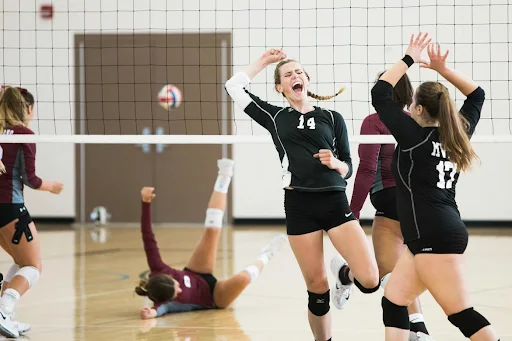
Uniforms do more than cover athletes. When they match, they send a clear message about who the team is and how they plan to play together.
Consistency also helps players feel part of something bigger. It sets standards, reduces confusion, and supports a shared identity from warmups to the final whistle.
The Social Signal Of Matching Uniforms
Matching kits act like a handshake. They introduce the team before a single play happens and tell opponents that these athletes stand together.
When every jersey, pant, sock, and sleeve line up, it builds trust. Players know they belong. Coaches know the look will hold up under pressure.
Fans read that signal too. A clean and consistent look makes it easy to cheer, easier to remember, and easier to buy in for the long season ahead.
How Consistency Reduces On-Field Friction
Teams waste energy when uniforms are a patchwork. Small differences in color, fit, or layers create second-guessing that has nothing to do with the play.
Standard pieces fix that problem by cutting choice overload. Volleyball, basketball, and football compression uniforms lock in the base layer so athletes can focus on reads and timing. The right baseline helps equipment staff swap parts fast when a sock rips or a sleeve tears.
That smoothness adds up. Less friction in the locker room means more attention for film notes, calls, and situational roles.
Recognition Starts With Clear Visual Cues
Rivals need to tell who is who at a glance. Teammates do too. Consistent striping, number style, and color contrast make split-second reads faster.
The brain loves patterns. When helmets, sleeves, and pants echo the same shapes and shades, players pick up motion faster and call adjustments sooner.
Referees benefit as well. Clear numbers and steady color blocks mean fewer delays, cleaner spotting, and less confusion during substitutions.
Compression Gear And Recovery Benefits
Uniform consistency touches what players wear under the jersey. Compression layers keep the look uniform while offering practical support for muscles.
A peer-reviewed meta-analysis reported small but meaningful gains in post-exercise strength and power for athletes who wore compression garments, suggesting a recovery edge that can matter late in games. The effect is not magic, but over a season, even modest recovery help can keep starters fresher.
When a team sets one standard for base layers, athletes spend less time choosing and more time recovering. That steady habit supports both unity and staying power.
Color, Contrast, And Number Legibility
Recognition lives and dies on contrast. Dark on light or light on dark makes numbers pop, and that clarity builds trust between players, coaches, and officials.
Teams that lock in a simple color system avoid muddy midtones that disappear under stadium lights. Night games, rain, and turf stains punish weak contrast.
Uniform rules favor clarity. When a program follows a single design playbook, numbers remain readable, and the team’s visual identity stays sharp week after week.
Building Identity Across Home And Away Sets
A team’s look should travel well. Carrying the same fonts, stripe widths, and sleeve patterns into home and away sets ties the brand together.
This repeatable style helps fans spot their team on highlight reels where colors flip every game. The pattern becomes the signature even when the jersey color changes.
Players feel that thread too. Knowing the road set mirrors the home set reduces mental load and keeps pregame routines steady.
Practical Steps For Coaches And Equipment Managers
Start with a short uniform charter. Define core colors, contrast rules, number style, and approved base layers, then share the one-page version with the full roster.
Build a mix-and-match grid that shows which helmets, jerseys, pants, and socks pair cleanly. Lock the grid before the season, so choices are quick every game week.
Issue the same base layer spec to every player. Standardizing compression tops and tights keeps the silhouette clean and supports comfort in heat and cold.
Culture, Accountability, And The Details
Uniforms can carry team values. A small, consistent detail like a stripe or wordmark can stand for daily habits players promise to uphold.
When leaders stick to the standard, it turns into a quiet contract. Everyone sees the effort to look sharp and meets it in film study and practice.
This kind of accountability builds from the outside in. It starts with socks and sleeves, then shows up in pursuit angles and blocking technique.
Uniform consistency is not about strict rules for the sake of it. It is about saving attention for the moments that win drives and decide games.
Get the look right, and it fades into the background where it belongs. What stays front and center is a team that moves as one and is easy to recognize when it matters most.