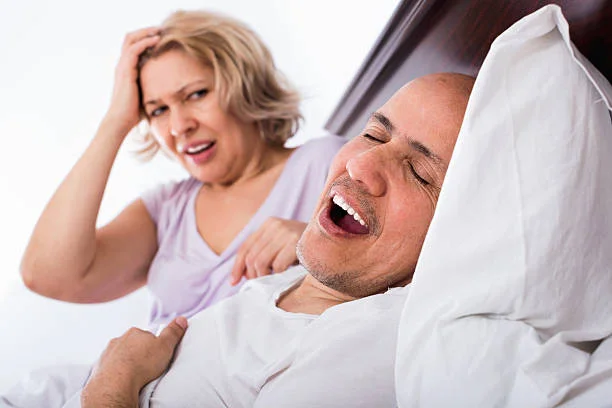
Sleep remains essential for health, yet some individuals struggle every night due to breathing interruptions. Sleep apnea acts as a common cause, impacting well-being and daily energy. While traditional treatments like machines exist, many explore alternative solutions. Oral appliance therapy offers a promising path for those seeking restful nights without bulky equipment.
Understanding Sleep Apnea
Obstructive sleep apnea occurs when throat muscles relax excessively during sleep, blocking airflow. This leads to repeated pauses in breathing, causing fragmented rest. These interruptions can leave individuals feeling lethargic despite spending hours in bed. Over time, untreated sleep apnea increases the risk of heart conditions, hypertension, and memory problems. Recognizing these dangers makes timely intervention possible via sleep apnea oral appliance therapy for long-term wellness.
Traditional Treatment Methods
Traditionally, continuous positive airway pressure therapy (CPAP) was the gold standard treatment for sleep apnea. This technique consists of a face mask attached to the device with constant airflow. However, despite its huge benefits, some still find the setup a bit disruptive or uncomfortable. Some have trouble adapting to the feeling of artificially blown air, or they do not like the sound it makes. This challenge has often led one to look for less obtrusive alternatives.
Introducing Oral Appliance Therapy
Oral devices provide a more straightforward solution for sleep apnea. They’re like mouth guards on teeth while sleeping. These devices function by positioning the jaw slightly forward, which helps to widen the airway. This adjustment promotes consistent breathing during sleep, minimizing snoring and interruptions. Many users appreciate this straightforward method, finding it effective for their therapy needs.
Benefits of Oral Appliance Therapy
Among the biggest perks is comfort. Oral appliances are smaller, lightweight, and easier for daily use. They need little maintenance, as most models can be easily washed. Another key factor that distinguishes these appliances is their portability. They do not require huge machines and power sources as you travel. Those who have high dissatisfaction with standard therapies usually turn to it.
Comparing Convenience and Compliance
The successful management of sleep apnea is often reliant on how well one adheres to treatment. Oral appliance therapy usually has more compliance than automatic machine devices. They offer a comfortable fit in the mouth, making it easy for users to wear them every night. In addition, both fewer parts and less noise mean fewer complaints from partners. Regular use equates to better results and more energy during the day.
Potential Drawbacks and Considerations
Oral appliances have many advantages, but they are not a good fit for everyone. More serious cases of sleep apnea may need different treatments to eliminate symptoms. Some people experience minor side effects like sore jaws or excessive saliva. Frequent dental assessments are critical to assess fit and oral well-being. Speak with your health care provider to ensure the appropriate course of action for your circumstances.
The Role of Dental Professionals
Trained dentists have an important role in oral appliance therapy. They determine the severity of sleep apnea and suggest appropriate devices. Of course, tailor-made appliances fit better and work more effectively. Those follow-up visits enable you to adjust as necessary and keep your best desired results. It allows for continued success and means that issues can be resolved as they arise.
Improving Quality of Life
Effective sleep apnea management leads to noticeable improvements in daily living. Restorative sleep boosts mood, concentration, and productivity. Reduced snoring also benefits partners, fostering harmony at home. Long-term health risks diminish as breathing stabilizes overnight. Individuals who commit to oral appliance therapy often experience enhanced relationships, well-being, and confidence.
Conclusion
Sleep apnea presents severe problems, but there are more solutions available other than ordinary machines. Oral appliance therapy is attractive for its comfort, ease of use, and excellent overall satisfaction. This method is a great choice for many people who struggle to sleep better. Healthcare professionals should be consulted to find the best treatment method for each person. With the success of this therapy, you can look forward to renewed vigor and better rest.