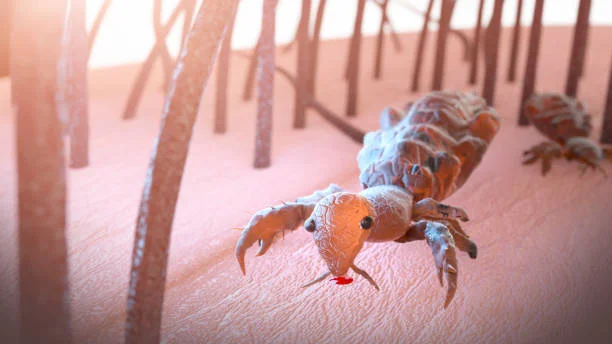
With gorgeous coastal views, a warm climate, and ancient history, Savannah is a beautiful place to live. But its climate also provides a favorable climate for head lice all year round. As opposed to areas with a prolonged cold winter, Savannah is subjected to mild temperatures with high humidity during most seasons.
These environmental conditions promote a lot of outdoor sports, social interactions, and intimate workshops among children and families. Consequently, head lice are able to propagate readily in school sports programs, camps, and community functions. Learning the reason why infestations are prevalent throughout the year can assist caregivers (who can be parents) and educators to be timely and effective in containing the issue before it escalates.
A balmy climate is an incentive for continuous transmission
Seasonal decreases in the number of cases of head lice occur in many parts of the country in colder months when outdoor contact is less. Savannah seldom experiences such a break since the climate there is mild all through the year and thus encourages social activity throughout the year. Children still engage in extracurricular programs and family events in the playground games throughout all seasons. These repeated interactions make frequent head-to-head contact a constant transmission opportunity since head lice can be transmitted in the closest contact. The insects never jump or fly but rather move effectively when hair comes into close contact, and they are found in classrooms and sports teams as the most prevalent places where the infestations develop.
Moisture favors comfortable living conditions
The humid weather in the region of Savannah also fosters an ambiance in which individuals are taking time together in the enclosure as well as the open air. Though humidity does not directly contribute to lice, it provides the conducive condition reinforcing the active lifestyle throughout the year.
The proximity between children in after-school activities, birthday parties, and other recreational activities is more likely to occur due to the existence of intimate physical contact. The parents should not forget that lice have nothing to do with poor cleanliness since they can infect anybody whether he or she is clean. The best remedy against an infestation of lice is early detection and removal, as it makes it difficult to transfer the infestations to friends, classmates, or relatives.
Exposure is enhanced through schools and community activities
The city also provides a myriad number of educational, cultural, and recreational activities, which regularly unite children. Schools have been among the most prevalent areas for lice spreading, as students are statistically close to each other daily. Youth organizations such as summer camps, dance classes, and athletic programs also aid in year-round exposure.
When families are mindful of such symptoms as continuous itching at the top of the head or familiar nits at the base of the hair roots, they have greater chances to bring the problem to light. The incidence of large outbreaks in houses can be greatly suppressed by routine hair checks after vacations, camps, or group activities.
Prevention entails routine practices
Head lice removal involves some simple everyday routine instead of monthly or seasonal action. Whenever possible, the children must not share personal items like hats, brushes, hair accessories, headphones, and pillows. School and sports You can tie your long hair back to minimize any accidental contact with your hair.
Children must be taught by their parents not to violate personal space without arousing undue fear. Scalp checks, especially those that happen regularly, particularly during school, enable families to find out what is wrong before it is too late. Early notification of parents, schools, and caregivers also ensures that the spread is mitigated without violation of the privacy of affected people.
Being One Step Ahead of the Issue All-Year-Round
The climate in Savannah is such that families will need to consider head lice prevention a challenge that they should take up as a long-term challenge and not a seasonal matter. Early detection and proper treatment are the best defense against repetitive infestations, as they are done with continuous awareness.
Doctors and nurses in the nursing department of schools and parents have their significant parts in teaching children about prevention and not stigmatizing or humiliating them. Maximize response to year-long transmission families and minimize impact on normal life by knowing how the local environment can impact year-round transmission. Not only will a proactive strategy cushion individual households, but it will also assist the larger population to minimize the occurrence and severity of head lice outbreaks in the course of all seasons.