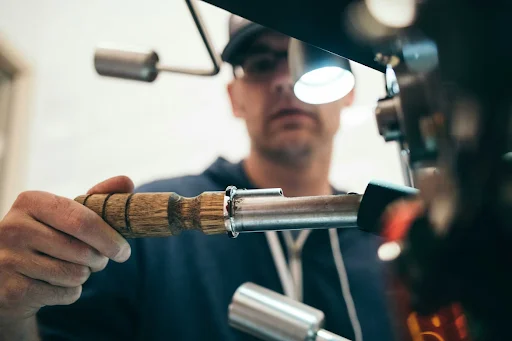
Even healthy plumbing needs routine care to stay that way. Small checks and simple habits keep debris from settling, grease from hardening, and roots from getting a foothold. Think of maintenance as cheap insurance that protects your pipes, your floors, and your peace of mind.
How small habits prevent big clogs
Most clogs begin as a thin film or soft snag where lint, hair, or food scraps can stick. Over time, that spot grows until it slows or blocks the line. You can clean out your blocked drains before they become emergencies by breaking that cycle early with regular cleaning and smarter disposal. Do the little things consistently, and you avoid the big, messy surprises.
What regular maintenance actually catches
A routine once-over spots slow drains, minor leaks, and gurgling vents before they snowball. It also surfaces hidden risks like small root intrusions in outdoor lines and early corrosion at traps and joints. A utility report from Jacksonville noted how fats, oils, and grease drive thousands of sewer backups each year – exactly the kind of preventable issue that good habits and timely cleaning help avoid.
Hidden trouble points
Kitchen sinks, laundry standpipes, and shower drains build biofilm faster than you think. That film traps solids and fuels odours. Outside, leaf litter and silt settle in stormwater connections and can wash into combined systems during heavy rain. A quick seasonal clear-out keeps those paths open.
The true cost of grease and wipes
Grease cools into a waxy plug that narrows pipes. Wipes and other nonwoven products snag on rough pipe walls and create a net for everything else. A city performance summary from Durham, North Carolina found that grease and nonwoven materials were major contributors to blockage complaints, underscoring how disposal choices show up later in the pipes under our feet.
In Western Australia, a utility media release described more than 1,000 preventable wastewater blockages tied to fatbergs and non-flushables, a reminder that household habits ripple through whole networks. A news report also highlighted a massive 30,000 kg fatberg pulled from a sewer there, the extreme end of what can build up when small mistakes repeat.
Signs your pipes are asking for help
When your plumbing talks, listen. These early warnings mean maintenance is due:
- Water rises in one fixture when another drains
- Gurgling from sinks or the toilet after use
- Drains that clear but leave a lingering odour
- A wet patch or greener strip along an outdoor line
- Frequent need to plunge the same fixture
Catching these signals early turns a potential dig-up into a quick clean-out.
DIY tasks you can do in minutes
Simple home care goes a long way. Strainers in sinks and showers block hair and food scraps before they cause trouble. Wipe greasy pans with a paper towel, then wash, instead of rinsing hot oil down the drain.
A homeowner guide from Angi points out that even small faucet leaks can waste serious water each week, so fixing drips protects both pipes and your bill. For clogs, reach for a flange plunger or a hand auger rather than harsh chemicals that can damage seals.
Smart disposal habits
Kitchen: pour cooled fats into a container and bin them. Bathroom: only flush the 3 Ps – pee, poo, paper. Laundry: shake lint into the bin, not the sink. These tiny habits keep lines slick and clear.
Professional maintenance cadence – and why it pays
Households benefit from an annual plumbing inspection to uncover issues you won’t spot on a quick walkthrough. Service pros check trap seals, venting, water pressure, and visible pipework, and can scope drains if symptoms suggest buildup. A national plumbing brand’s checklist recommends yearly inspections to catch slow leaks and early corrosion before they become structural problems.
If you have trees near lines, a history of slow drains, or older piping, schedule periodic jetting. Industry guidance suggests that homes typically benefit from hydro jetting every 1 to 2 years, while busier commercial lines may need it about every 6 months. This isn’t about over-servicing – it is about resetting pipes to a clean baseline so minor films never grow into a blockage.
Kitchen and bathroom routines that actually work
Keep a small caddy under the sink with a plunger, a hand auger, an enzyme cleaner, and spare strainers. Mark a calendar reminder for monthly enzyme treatments on the kitchen and shower drains to break down organics. After big cooking days, flush the kitchen line with a full sink of hot water to push soap and food residue through the trap and into larger pipes where it can disperse.
A home advice piece in the Washington Post also reiterated a simple rule: wipes, paper towels, and hygiene products belong in the bin, not the bowl. That one habit alone eliminates many clogs and protects the lateral that you are responsible for maintaining.
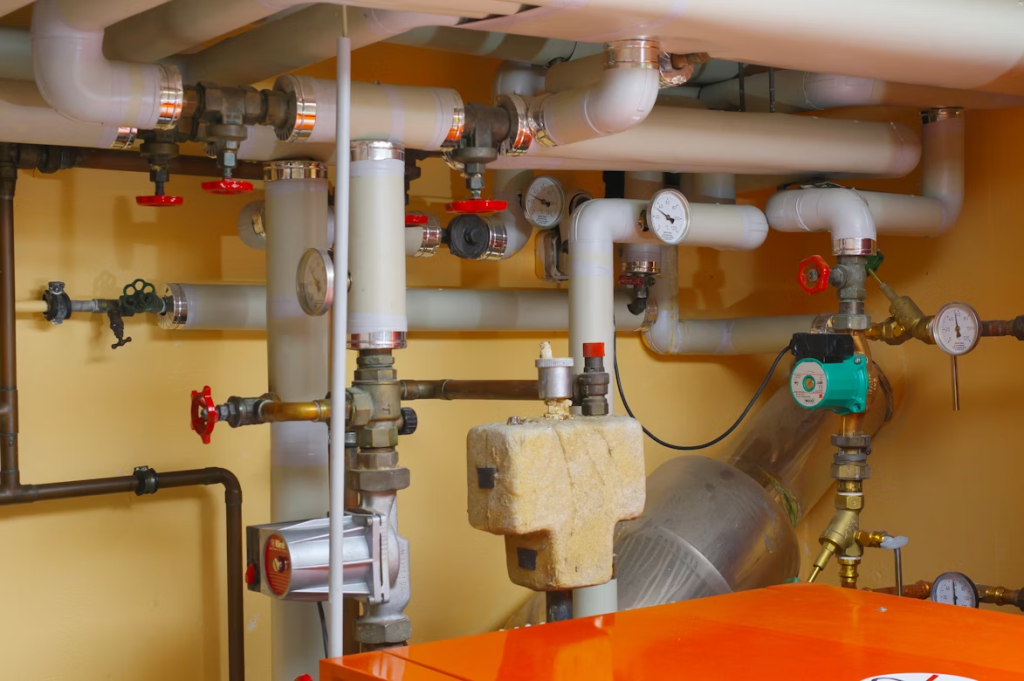
Regular maintenance is the quiet hero of healthy plumbing. With a few habits, a simple toolkit, and a realistic service cadence, you stop clogs before they start and avoid messy surprises. Your pipes stay clear, your fixtures work as they should, and your home doesn’t turn into a weekend project.