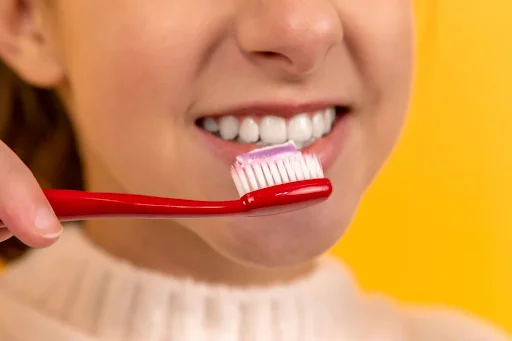
Healthy mouths support confident speech, comfortable meals, and easier social interactions. The small actions you repeat each day shape how your teeth and gums feel next week and next year. When brushing, flossing, and smart food choices become part of a routine Oral Practices, the payoff touches energy, sleep quality, and self-esteem. Strong oral practices are a daily investment in comfort and long-term health.
Don’t stop now—related posts filled with tips, insights, and inspiration await.
Daily habits that build strong teeth and gums
Twice daily brushing with a fluoride toothpaste removes soft plaque before it hardens. Slow, gentle strokes along the gumline clean where bacteria hide without irritating tissue. Floss reaches the narrow spaces where a brush cannot fit, which helps prevent bleeding and tenderness after meals. A quick swish with water after snacks limits the time sugars sit on enamel, and that simple step supports a steady mineral balance. Tongue cleaning helps too, since a clean tongue reduces odor compounds and makes fresh breath last longer. Keep tools within reach on the sink so the path to action stays short on busy mornings.
Professional care that supports home routines
Regular checkups give you a skilled review of areas that are hard to see in the mirror. People pair cleanings with tailored advice that fits their brushing style and diet. Booking a visit becomes even simpler when you use trusted local resources found at www.thedentistsofdidsbury.com and similar websites, which makes it easier to plan around work and family schedules. Exams spot tiny cracks, early gum inflammation, and bite issues before they grow into pain, missed meals, or emergency visits.
Polishing removes stains that routine brushing leaves behind, which keeps teeth brighter and motivates consistent care at home Oral Practices. X-rays at appropriate intervals reveal hidden decay and bone levels, so your plan remains data-driven.
Nutrition, hydration, and the mouth-body link
What you drink and eat influences saliva flow and acid levels throughout the day. Water between meals rinses food particles and supports natural buffering, which protects enamel after coffee, tea, or citrus snacks. A pattern of grazing on sticky sweets makes life easier for the bacteria that thrive on sugar, so set clear meal and snack windows when possible.
Calcium-rich foods, leafy greens, and lean proteins provide minerals your mouth uses to repair microscopic wear from chewing. Limiting alcohol and quitting tobacco cut the risk of gum disease and dry mouth, and both moves support steadier breath. Sleep quality matters for oral health, too, since mouth breathing and unmanaged reflux can irritate tissues and change the way teeth fit together.
Protecting smiles at every life stage
Oral needs shift as people move through childhood, adulthood, and later years. Children benefit from early coaching on brushing angles, gentle floss holders, and fun charts that track progress for a small reward. Teens with orthodontic work need extra attention to flossing around brackets and a plan for sports mouthguards during practice and games. Pregnant patients should keep visits on the calendar, since hormonal changes can increase gum sensitivity and make cleanings even more helpful.
Adults who sip coffee or sparkling drinks at work can carry a refillable water bottle to rinse between sips. In later years, dry mouth from medications of Oral Practices may rise, so sugar-free gum and regular sips of water can bring comfort and reduce decay risk. Denture care deserves the same daily attention as natural teeth, with soft brushing and careful cleaning of the base to protect the gums beneath.
Pain, prevention, and the role of early action
Mild soreness or temperature sensitivity can be a helpful signal rather than a reason to wait. Report new symptoms right away so your dentist can check for a high filling, a small cavity, or early gum changes that respond to timely care. Night grinding is common during busy seasons, and it can flatten cusps or cause morning jaw tightness. A well-fitted night guard protects enamel and helps muscles relax, which improves sleep quality for many patients. Mouthguards for contact sports prevent chips and fractures that interrupt school, work, and family routines. Prompt attention to mouth ulcers, cold sores, and white patches ensures the right treatment and a check for any underlying cause. Early action saves money, preserves tooth structure, and keeps daily life on track.

Strong lifelong habits emerge when small, repeatable steps meet practical support. Daily brushing and flossing, smart food choices, and timely visits form a simple framework that protects comfort and confidence. Your mouth benefits when routines feel easy, tools fit your needs, and feedback arrives before problems get big. With focus and a clear plan, you can build an oral care rhythm that supports wellness from morning to night and from season to season.
Your next discovery is here—explore more content crafted to inform and excite.