Quick Answer
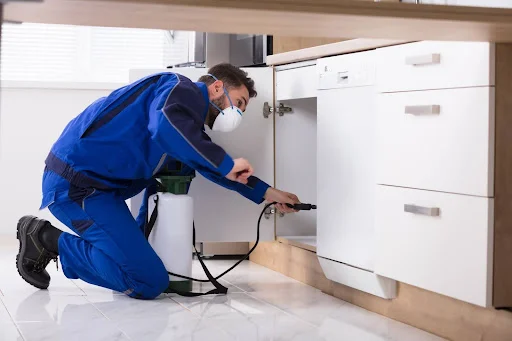
Professional pest control delivers superior long-term results because it addresses the root causes of infestations – not just the visible symptoms. Trained technicians identify entry points, nesting areas, and behavioural patterns that DIY methods often miss. They use targeted, science-backed treatments that are both effective and safe for homes with children and pets. Unlike store-bought sprays or traps that offer temporary relief, professional services include follow-up monitoring and exclusion strategies that prevent pests from returning, ultimately saving time, money, and stress.
Introduction
Few things unsettle a homeowner quite like spotting a mouse dart across the kitchen floor or noticing a line of ants trailing along the baseboard. Pests don’t just invade space – they compromise hygiene, damage property, and can even pose health risks. While quick-fix solutions might seem tempting, they rarely solve the underlying problem, often leading to recurring infestations.
For many Canadian households, turning to experienced professionals early can make all the difference. As an example, Absolute Pest Control services combine local knowledge with proven methodologies to tackle everything from seasonal invaders to year-round nuisances. Their approach goes beyond spraying and trapping – it’s about creating a long-lasting barrier against future threats.
Understanding why expert intervention outperforms DIY efforts isn’t just about immediate results. It’s about peace of mind, structural protection, and smarter resource use over time. In the sections ahead, we’ll unpack how professional strategies deliver durable solutions where off-the-shelf products fall short.
Why Professional Pest Control Delivers Better Long-Term Results
When pests invade a home, the immediate instinct is often to grab a spray bottle or set a few traps. While these actions might offer momentary relief, they rarely address why they entered in the first place – or how to stop them from coming back. Professional pest control, by contrast, is built on diagnosis, precision, and sustainability. Here’s why it consistently outperforms DIY efforts when the goal is lasting peace of mind.
It Starts with Accurate Identification
Not all pests behave the same way – and misidentifying the culprit can waste time, money, and effort. For example, carpenter ants don’t eat wood like termites, but they excavate it to build nests, causing structural damage that’s often mistaken for moisture issues. A trained technician can distinguish subtle signs – frass patterns, trail behaviours, nesting preferences – that untrained eyes miss. Correct identification ensures the right treatment is applied from day one.
Targeted Treatments Over Blanket Spraying
Store-bought insecticides often rely on broad-spectrum chemicals that kill on contact but leave no residual protection. Worse, overuse can drive pests deeper into walls or encourage resistance. Professionals use integrated strategies – baits, dusts, gels, or exclusion materials – placed precisely where they live, travel, or enter. This minimizes chemical exposure while maximizing effectiveness.
Focus on Exclusion and Habitat Modification
True long-term pest prevention isn’t just about killing – it’s about making your home inhospitable to them. Experts inspect for gaps around pipes, cracks in foundations, damaged soffits, or overgrown vegetation touching the siding. They then seal, trim, or modify these conditions to block future access. This proactive hardening of your property’s defenses is rarely part of DIY plans.
Ongoing Monitoring and Adaptive Plans
The activity changes with seasons, weather, and neighbourhood development. A one-time treatment might handle today’s problem but won’t account for tomorrow’s. Reputable services often include follow-up visits, moisture checks, or bait station monitoring to catch new activity early. This adaptive approach stops minor issues from becoming major infestations.
Safety and Regulatory Compliance
Many homeowners don’t realize that improper use of pesticides can violate provincial guidelines or pose risks to children, pets, or pollinators. Licensed technicians are trained in safe handling, proper dilution, and environmentally responsible disposal. Their methods align with health authority standards, ensuring protection without collateral harm.
To illustrate the difference between DIY and professional outcomes, consider this comparison:
| Factor | DIY Approach | Professional Service |
| Root Cause Addressed? | Rarely | Yes – entry points, attractants, and nesting sites identified |
| Treatment Precision | Generalized spraying or trapping | Species-specific, location-targeted methods |
| Reinfestation Risk | High (no exclusion or follow-up) | Low (includes sealing, monitoring, and maintenance) |
| Health & Environmental Safety | Variable (user-dependent) | Consistently high (trained, regulated application) |
| Cost Over 2 Years | Often higher due to repeated product purchases and damage repair | Typically lower due to prevention and early intervention |
Building a Proactive Strategy for a Pest-Resistant Home
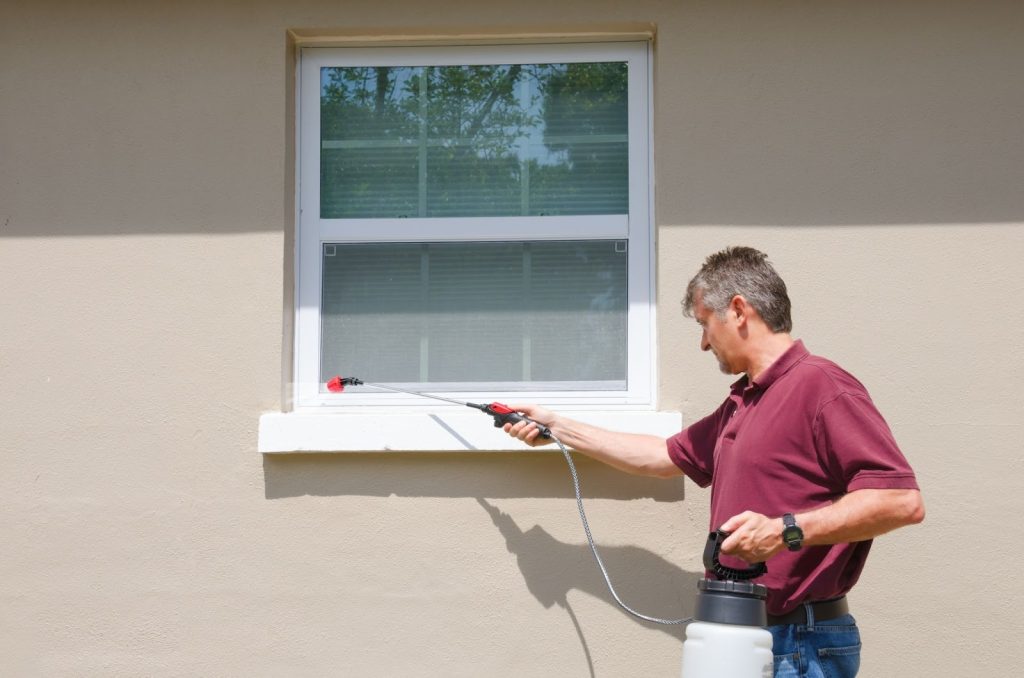
Knowing that professional services offer superior outcomes is just the first step. The real value comes from pairing expert intervention with smart, ongoing habits that reduce vulnerability. Even after a successful treatment, pests can return if conditions remain inviting. The goal isn’t just to react – it’s to create an environment where infestations struggle to take hold in the first place.
Understand Your Home’s Unique Risk Profile
Every home interacts differently with its surroundings. A house near wooded areas might face more rodent or tick pressure, while urban apartments could deal with cockroaches or stored product pests. Seasonal shifts also play a role: ants surge in spring, wasps peak in late summer, and mice seek warmth as temperatures drop. Recognizing these patterns helps you time inspections or maintenance effectively.
Simple Upkeep Measures That Make a Big Difference
You don’t need chemicals to deter many invaders. Consistent home maintenance acts as a powerful deterrent:
- Seal cracks and gaps around windows, doors, utility lines, and foundations using caulk or steel wool.
- Store food properly in airtight containers – don’t overlook pet food or birdseed.
- Manage moisture by fixing leaky faucets, cleaning gutters, and ensuring proper drainage away from the foundation.
- Trim vegetation so branches and shrubs don’t touch the siding or roofline.
- Take out trash regularly and use bins with tight-fitting lids.
These actions directly reduce attractants and access points – core principles of lasting residential pest protection.
When to Call for Backup
Not every sighting demands a professional visit, but certain signs warrant prompt action:
- Multiple pests appearing over several days
- Droppings, gnaw marks, or grease trails along walls
- Nests or hives in attics, eaves, or crawl spaces
- Unusual odours (e.g., musty smells from rodent urine)
- Damage to wood, insulation, or packaging
Ignoring these indicators often leads to escalated problems. Early intervention is almost always faster, safer, and more cost-effective.
Learning from Common Household Pest Issues
Many homeowners underestimate how quickly minor problems grow. For instance, a single female German cockroach can produce hundreds of offspring in months. Similarly, a pair of mice can turn into dozens within a year under ideal conditions. What starts as an occasional ant trail can reveal a satellite colony behind your walls. Recognizing these common household pest issues early – and understanding their reproductive potential – helps shift mindset from “annoyance” to “urgent maintenance task.”
Consider Preventive Service Plans
While not necessary for every home, some properties benefit from scheduled inspections – especially those with past infestations, high moisture, or proximity to greenbelts. These plans typically include exterior treatments, entry-point checks, and seasonal adjustments pest control. Think of them like furnace maintenance: not always needed, but invaluable when conditions call for it.
By combining vigilance, routine upkeep, and timely expert support, homeowners can move from reactive scrambling to confident, year-round defense. The best strategy isn’t about eradication alone – it’s about resilience.
Final Thoughts: Prevention That Lasts Beyond the Spray
Pest problems are rarely just about the bugs or rodents you see – they’re symptoms of deeper environmental conditions. That’s why the most effective solutions don’t stop at elimination. They look ahead: sealing vulnerabilities, modifying habitats, and adjusting strategies as seasons and surroundings change. This forward-thinking mindset is at the heart of an integrated pest control approach, which blends inspection, exclusion, targeted treatment, and ongoing monitoring into one cohesive plan.
It’s also worth remembering that pest pressures vary widely across Canada. While coastal homes might contend with moisture-loving silverfish or carpenter ants, prairie regions – such as those facing Calgary home pest risks like mice seeking winter shelter or cluster flies entering through sun-warmed walls – require different tactics. Even within cities, older homes with wood foundations face different challenges than newer builds with tight envelopes. A one-size-fits-all solution simply doesn’t work. That’s why localized expertise, paired with adaptable strategies, delivers the best long-term outcomes.
Our featured story delivers clarity, depth, and insight you won’t find elsewhere at 2A Magazine.