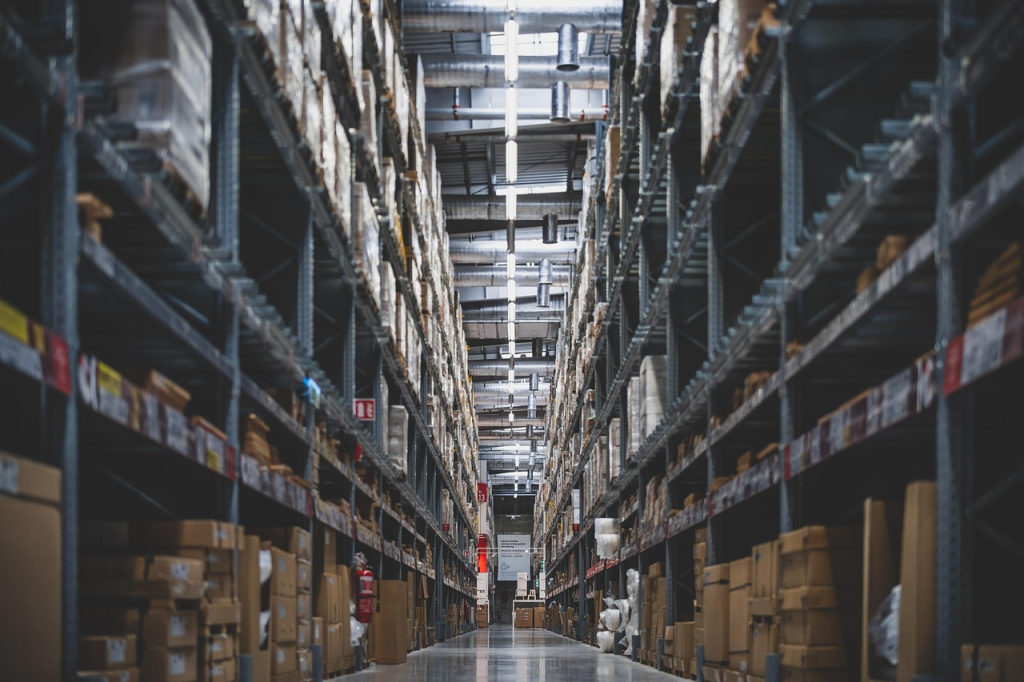
Maximizing height is the fastest way to win space without renting more floor. When inventory grows or SKUs multiply, building upward turns empty air into productive capacity. The right mix of layout, equipment, and process can lift throughput and keep workers safe and errors low.
The Case For Going Up
Most facilities run out of floor before they run out of cube. Using vertical space raises storage density, shortens travel, and delays expensive moves. It frees aisles for faster picks and safer forklift paths.
Think of height as a lever. Each extra tier, bay, or module compound gains in accuracy and speed. With careful planning, you can add capacity without adding chaos.
Vertical storage only works if reaching it is controlled. Specify ladders, lifts, or automated retrieval systems that match the height and weight of stored goods.
Guardrails, sensors, and clear aisle markings keep operators safe and moving pallets or bins. Routine inspections and maintenance prevent minor issues from becoming downtime events. Safety-conscious design preserves both inventory and workforce efficiency.
Choose Systems That Use Height
Match technology to SKU mix. Tall selective or narrow-aisle racks help pallet-heavy operations, and mezzanines create quick second floors for light goods. For high accuracy with small parts, automated towers make the most of tight footprints.
A respected engineering overview explains that vertical lift modules use the building’s height efficiently, and shuttle-based systems provide a dynamic buffer that keeps product flowing between zones.
That combination lets you scale storage without sprawling. If you want a simpler path first, consider modular racks and label upgrades to stage the facility for deeper automation later.
This is where digital tools and processes go hand in hand. Many teams explore planning methods and then look for practical gear, including storage solutions for warehouses that integrate labeling, bins, and lifts, so operators can find, load, and count faster in the same footprint. High-density storage only pays off if operators move efficiently.
Position receiving, picking, and packing zones to minimize travel, and design one-way aisles where possible to reduce congestion.
For mixed-SKU operations, cluster fast-moving items near shipping docks and heavier pallets near forklifts’ natural paths. A lean operations review shows that even modest aisle tweaks can cut handling time significantly.
Measure What You Have
Start with clear height, sprinkler type, and the tallest safe stack under code. Map obstructions like lights, fans, and dock doors. Note slab ratings and column spacing so racking and machines land where they should.
Inventory tells the rest of the story. Sort SKUs by size, weight, and velocity. Heavy and slow movers belong higher and deeper, and small fast movers earn prime zones near eye level.
Organize the facility so items move logically from receiving to storage, picking, and shipping. High-turn SKUs stay in easy-to-reach areas, and bulky or slow-moving goods occupy less accessible spots.
Define buffer areas for staging and returns to prevent aisle congestion. Keep aisles wide enough for forklifts and carts to pass safely. Efficient zoning reduces travel time and supports faster, more accurate order fulfillment.
Design For Safe Flow
Space gains only matter if people and equipment move safely. Keep main aisles wide and straight, with cross aisles every few bays to cut detours. Mark clear pick lines and staging zones so pallets never drift into travel paths.
Use one simple checklist before adding height:
- Confirm slab load and anchor specs with your vendor
- Verify fire code clearances and sprinkler requirements
- Add guardrails, netting, and end-of-aisle protection
- Light vertical faces evenly to reduce mispicks
- Post updated load signs at eye level for each bay
Train for the new reach. If lifts or order pickers change, refresh certifications and walk the routes at shift start. Small drills prevent big surprises.
Plan Operations Around Vertical Access
Slotting makes or breaks a tall layout. Place A-movers between knee and shoulder height, B-movers just above and below, and C-movers up high. Use dynamic slotting rules so seasonal or promo SKUs slide into better positions automatically.
Balance automation with human rhythm. Batch small-part picks that live in towers, then marry them with pallet picks from racks at a single pack station. Short handoffs keep cycle times predictable and cut congestion.
Build A Phased Upgrade Roadmap
Go vertical in steps to control risk. Phase 1 might be re-slotting, signage, and lift-table ergonomics. Phase 2 adds selective racks to the roofline and a small mezzanine over receiving. Phase 3 pilots one automated tower where small parts bottleneck.
Measure each step. Track picks per hour, mispicks, travel distance, and storage density in pallets or totes per square foot. When a metric moves, capture the playbook so the next bay or building repeats the win. A facility that treats height as a resource runs leaner, safer, and faster.
Start by measuring what your cube can hold, pick systems that fit your SKUs, and phase the change so people and processes keep pace. With upward thinking, you unlock capacity where it already exists and turn overhead into advantage.