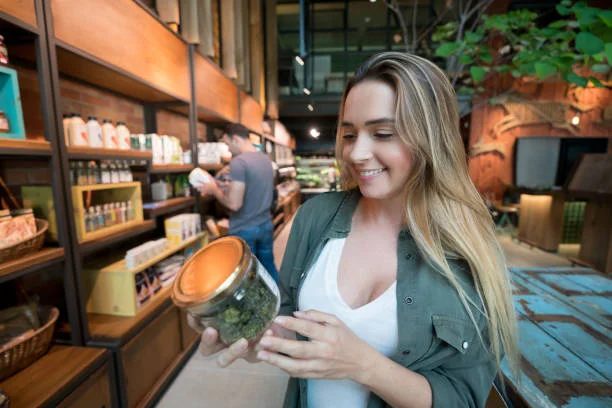
The CBD market has grown significantly over recent years. More people now discover the potential wellness benefits of cannabidiol products. However, not all CBD products are created equal.
The market includes many brands claiming superior quality. If you’ve walked into a dispensary feeling overwhelmed, you’re not alone. The difference between high-quality and low-quality CBD products impacts your results and satisfaction.
Understanding what to look for transforms you from a confused buyer into an informed one. This guide covers seven critical factors every CBD buyer should know.
Understanding CBD and Its Importance
CBD, or cannabidiol, is a naturally occurring compound found in cannabis plants. Unlike THC, CBD is non-psychoactive. It won’t get you high. This makes it appealing to people seeking wellness benefits without mind-altering effects.
People use CBD for several reasons. These include relaxation, stress management, better sleep, and general wellness. However, quality varies widely in the marketplace.
Quality matters because results depend on the product’s purity and safety. Low-quality products won’t deliver the results you want. Unsafe products may contain harmful contaminants. This is why quality assurance is non-negotiable when shopping for CBD.
Third-Party Lab Testing and Certificates of Analysis
Third-party lab testing is the most important factor when evaluating CBD products. This shows you what the product actually contains. Reputable manufacturers send products to independent laboratories for comprehensive testing.
These labs produce detailed reports called Certificates of Analysis or COAs. A legitimate COA verifies the actual CBD content. It confirms THC levels are legal. It also checks for harmful contaminants like pesticides and heavy metals.
When examining a COA, look for specific amounts listed for each tested parameter. The CBD content should match label claims. THC content should be below 0.3% in most states. Pesticide and heavy metal results should show non-detect.
Never buy CBD products without third-party lab testing. This is your most reliable quality assurance. Products with no available COAs are a major red flag. Inconsistencies between labels and test results indicate problems.
Dispensary Reputation and Quality Standards
Where you buy matters as much as what you buy. A reputable dispensary serves as a quality gatekeeper. They carefully select products and suppliers based on rigorous standards.
Quality dispensaries share common traits. They are properly licensed and regulated. They maintain transparent sourcing practices. They invest in staff training. They comply with all local regulations. They maintain good customer reviews.
Behind the scenes, quality dispensaries vet their suppliers carefully. They require comprehensive documentation from manufacturers. They conduct regular audits. They maintain detailed records.
A trusted dispensary like Silverleaf dispensary maintains rigorous quality standards. They partner exclusively with licensed cultivators and manufacturers. These facilities conduct regular testing. They maintain proper documentation. They prioritize transparency about sourcing relationships. Choosing such a dispensary ensures you purchase from a verified, compliant source.
Product Types and Formats
CBD comes in several formats. Each has distinct characteristics and absorption rates. Understanding these options helps you select the best format for your needs.
CBD oils and tinctures work quickly. You place a dropperful under your tongue. Effects typically appear within 15-30 minutes. You can customize dosing by adjusting drops. Some people dislike the taste.
CBD gummies are convenient and discreet. They taste pleasant. However, digestion-based absorption takes 45 minutes to 2 hours. Effects last longer with edibles.
CBD topicals are creams and balms applied to skin. They provide localized relief without affecting your whole body. They absorb slowly but work well for specific areas.
CBD capsules offer convenient, precise dosing. They absorb through digestion like edibles. Vape products absorb fastest through inhalation but effects wear off quickly.
Understanding Potency and Dosing
Potency refers to the amount of CBD per serving, measured in milligrams. Understanding this helps you select appropriate products and avoid overspending.
Low potency products contain 5-10 mg per serving. These suit beginners and occasional users. Medium potency ranges from 10-25 mg per serving. High potency products contain 25+ mg per serving for experienced users.
Always check product labels for three pieces of information. First, total CBD content in the entire package. Second, CBD per individual serving. Third, number of servings per container. This lets you calculate cost per milligram.
New users should follow the “start low, go slow” approach. Begin with the smallest recommended dose. Gradually increase after a few days if needed. This helps identify your personal optimal dose.
Source and Hemp Origins
Where your CBD originates matters significantly. Hemp grown in the United States follows FDA regulations. It also has state oversight. Imported hemp varies widely in quality controls.
Cultivation practices affect quality. Organically grown hemp avoids synthetic pesticides. Soil quality affects plant health. Environmental practices influence sustainability.
Extraction methods impact final product quality. CO2 extraction is considered the gold standard. It produces clean products free from residues. Ethanol extraction is effective and common. Solvent extraction is cheaper but potentially leaves residues.
Products are classified as full-spectrum, broad-spectrum, or isolate. Full-spectrum contains all plant compounds. Broad-spectrum removes THC. Isolate contains pure CBD only.
Customer Service and Dispensary Staff Expertise
Expert staff at quality dispensaries provide valuable guidance. Knowledgeable employees answer complex questions. They offer personalized recommendations. They explain potential drug interactions.
Ask staff critical questions when visiting. Where does this product come from? Can I see third-party lab testing documentation? What potency would you recommend? Are there interactions with my medications? What’s your return policy?
Red flags include staff unable to answer basic questions. Pressure tactics to buy specific products. Unavailable testing documentation. Dismissive attitudes toward quality concerns. Quality dispensaries provide educational resources like blogs, guides, and tutorials.
Price vs. Value
The most expensive CBD product is not always the best. CBD pricing depends on multiple factors. These include extraction method costs, brand reputation, and packaging quality.
Assess value by calculating cost per milligram of CBD. Investigate the brand’s reputation and transparency. Research third-party lab testing quality. Compare similar products across dispensaries.
Suspiciously cheap products should raise concerns. Premium pricing is not always justified. The best value often comes from mid-range brands at reputable dispensaries.
Making Your Purchasing Decision
Before purchasing, follow this checklist. Verify third-party lab testing exists for your specific product. Request and review the COA. Research the dispensary’s reputation online. Read customer reviews.
In-store, ask questions freely. Request lab results. Inquire about return policies. Ask about educational resources. After purchase, start with the recommended dose. Track your effects. Adjust dosing if needed.
Conclusion
Buying quality CBD requires attention to key factors CBD products. These include lab testing, dispensary reputation, product format, potency, source quality, staff expertise, and price. Quality is worth the investment.
Visit reputable dispensaries that prioritize quality. Your wellness journey deserves products from sources that put your health first. Informed consumers make better choices.