Purchasing a home in Baton Rouge represents one of the most significant investments most people will ever make. While buyers carefully evaluate kitchens, bathrooms, and floor plans, the roof protecting everything often receives insufficient attention. Understanding what to look for in a roof before making an offer can save thousands of dollars and prevent unpleasant surprises after closing.
Why Roof Condition Matters
The roof is your home’s primary defense against Louisiana’s challenging weather. A compromised roof puts everything beneath it at risk, from structural components to personal belongings. Beyond protection, roof condition affects insurance costs, energy efficiency, and resale value.
In Baton Rouge’s climate, roof problems escalate quickly. A small leak that might be manageable elsewhere can cause extensive damage within weeks due to the region’s heat and humidity. What appears to be a minor issue during a dry spell can become a major problem during the next heavy rain.
Insurance considerations add another dimension to roof evaluation. Many insurers have tightened requirements for roof condition, with some refusing to cover homes with roofs exceeding a certain age or showing visible deterioration. Understanding these requirements before purchase prevents coverage complications.
Visual Inspection Basics
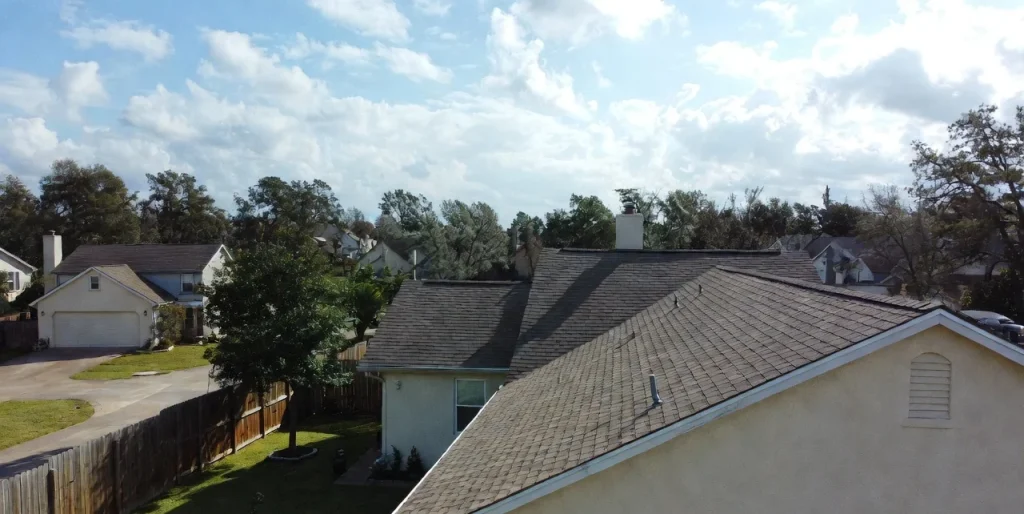
Even without climbing on the roof, buyers can gather valuable information through careful observation from the ground. Start your evaluation by walking around the property and examining the roof from multiple angles.
Look for missing, curling, or damaged shingles. These visible defects indicate aging or weather damage that may require near-term replacement. Pay attention to patterns, damage concentrated in specific areas may indicate underlying problems like inadequate ventilation or structural issues.
Check the roofline for sagging or irregularities. A roof should present straight, even lines along ridges and eaves. Sagging indicates structural problems that may require significant repairs beyond simple roof replacement.
Examine flashing around chimneys, vents, and other penetrations. These transition points are common failure areas. Look for rusted, damaged, or improperly installed flashing that could allow water intrusion.
Gutter condition provides clues about roof maintenance history. Clean, properly attached gutters suggest attentive maintenance, while clogged, damaged, or missing gutters may indicate neglect that extends to the roof itself.
Age and Material Considerations
Roof age is one of the most important factors in evaluating remaining service life. Different materials have different expected lifespans, and understanding these expectations helps buyers assess near-term replacement needs.
Asphalt shingles, the most common roofing material in Baton Rouge, typically last 15 to 25 years in Louisiana’s climate. Three-tab shingles are at the shorter end of this range, while architectural shingles may achieve the longer lifespan with proper maintenance. Roofs approaching these age limits should be evaluated carefully for replacement needs.
Metal roofing offers extended longevity, often performing well for 40 to 70 years. However, not all metal roofing is equal. Lower-quality products or improper installation can lead to premature failure even with this durable material.
Tile and slate roofing can last 50 years or more, but these premium materials require specialized evaluation. Individual tile replacement, underlayment condition, and flashing integrity all affect performance in these systems.
Signs of Trouble
Certain warning signs should raise immediate concerns and warrant professional evaluation before proceeding with a purchase.
Interior water stains on ceilings or walls indicate active or past leaks. Even if stains appear old, they suggest roof problems that may recur. Ask sellers for documentation of any repairs and have a professional assess whether the underlying issue was properly addressed. In many cases, these issues may require roof repair Baton Rouge homeowners should address quickly to prevent further structural damage.
Mold or mildew odors, particularly in attics, suggest moisture problems that may originate with roof leaks. Musty smells warrant thorough investigation to identify the source and assess the extent of any damage.
Daylight visible through the roof boards in the attic indicates gaps or damage that requires immediate attention. While small gaps may be repairable, extensive daylight penetration suggests significant deterioration.
Excessive granules in gutters indicate that asphalt shingles are losing their protective coating and approaching the end of their service life. This normal aging process accelerates as shingles deteriorate, signaling that roof repair Baton Rouge services may soon be necessary to maintain proper protection for the home.
The Professional Inspection Advantage
While buyer observations provide valuable information, professional roof inspection reveals issues that may not be visible from the ground or to untrained eyes. Investing in a professional evaluation before purchase provides peace of mind and negotiating leverage.
A professional inspector examines the roof surface up close, identifying damage and deterioration that ground-level observation misses. They assess flashing details, penetration seals, and other critical components that determine weathertight performance.
Attic inspection reveals conditions beneath the roof surface, including ventilation adequacy, insulation condition, and signs of past or current leaks. Moisture meters and infrared cameras detect hidden problems that visual inspection alone cannot identify.
Many local roofing contractor Baton Rouge professionals offer pre-purchase inspection services. These evaluations typically include detailed reports with photographs, repair recommendations, and replacement cost estimates. This documentation supports negotiation and helps buyers budget for near-term expenses.
Requesting a free roof inspection Baton Rouge from reputable contractors can provide valuable information at no cost. Many companies offer complimentary evaluations as a way to establish relationships with potential customers.
Negotiating Based on Roof Condition
Roof condition can be a significant factor in purchase negotiations. Understanding how to leverage inspection findings helps buyers achieve fair outcomes.
If inspection reveals the need for immediate repairs, buyers can request that sellers complete the work before closing or provide credits to cover repair costs. Documented professional estimates strengthen negotiating positions.
Near-term replacement needs should be reflected in purchase price negotiations. If a roof will require replacement within a few years, buyers should factor this expense into their offer. Replacement cost estimates from qualified contractors support these negotiations.
Insurance complications related to roof condition may require seller concessions. If insurers will not cover the home without roof replacement, this issue must be addressed before closing. Sellers may need to complete replacement or establish escrow accounts for future work.
Documentation and Disclosure
Louisiana law requires sellers to disclose known defects, including roof problems. Review disclosure documents carefully and ask questions about any roof-related items mentioned.
Request documentation of any roof work performed during current ownership. Permits, warranties, and contractor information provide valuable context for evaluating roof condition and remaining service life.
If sellers have experienced roof leaks or other problems, ask for details about the extent of damage and repairs completed. Undisclosed problems discovered after purchase may create legal recourse if sellers knew of issues and failed to disclose them.
Planning for the Future
Even roofs in good condition will eventually require replacement. Understanding this timeline helps buyers plan and budget for future expenses.
Establish a roof maintenance fund as part of homeownership planning. Setting aside funds monthly spreads the eventual replacement cost over time and ensures money is available when needed.
Develop a relationship with a trusted local roofing contractor who can provide ongoing maintenance and advice. Regular inspections and minor repairs extend roof lifespan and prevent minor issues from becoming major problems.
Keep detailed records of roof condition, maintenance activities, and any repairs completed. This documentation supports insurance claims, adds value at resale, and helps future owners understand the roof’s history.
Making an Informed Decision
The roof is too important to overlook during the home buying process. Taking time to evaluate condition, understand remaining service life, and budget for future needs protects your investment and prevents unpleasant surprises.
Work with qualified professionals to assess roof condition thoroughly. Their expertise reveals issues that might otherwise go undetected and provides the information needed for informed decision-making.
Remember that roof condition is negotiable. Use professional inspection findings to achieve fair terms that reflect the true condition of this critical home component. The investment in proper evaluation before purchase pays dividends throughout your homeownership experience.