Most homeowners don’t worry about the size of the addition first. They worry about the time. You might be thinking, “Will this take three months or will I still be living in a construction zone next year?” That uncertainty makes it hard to plan work schedules Home Addition, family routines, and even basic things like where you’ll cook or park. The truth is that home additions take longer than most people expect because the process includes much more than building. Design decisions, permits, contractor scheduling, and material orders all shape the timeline before the first wall even goes up.
In this article, you’ll get a realistic look at each stage from start to finish, so you can plan with less stress and fewer surprises.
Week One Starts with Clear Priorities
Many homeowners jump straight into sketches or Pinterest boards, but the timeline moves faster when you define the purpose first. Are you adding space for a growing family, creating a main-level bedroom, or expanding a kitchen that feels cramped? Once you know the goal, you can sort out what matters most and what can wait. A realistic plan starts with knowing what monthly payments or savings will feel manageable. When you begin with clear priorities, every later step becomes easier and faster.
Permits and Paperwork Take Longer Than People Expect
Permits often take weeks, not days, because the local building department must review drawings for safety, zoning, and code compliance. Some areas require structural engineering notes, energy forms, or neighborhood approvals before the permit even moves forward. Homeowners can speed things up by submitting complete documents and responding quickly to requests, but you still need patience. This is also the stage where financing timelines matter Home Addition. If you plan to use an equity loan for home additions, approval and closing may take time alongside permits. Starting this process early helps prevent a gap between paperwork and construction.
Early Site Checks Prevent Bigger Delays
Before design gets too far, you need a basic reality check of the property. A site visit helps uncover issues that could slow things down later. A contractor or designer can spot things like poor drainage, tight access for equipment, or an older electrical setup that may need upgrades. These details affect both cost and timing. You should also ask early about zoning rules, since setbacks or height limits can change what’s possible. Homeowners often lose weeks because they design something that cannot be approved. Taking time for this early step keeps you from chasing plans that won’t work. It’s a simple move that saves frustration later.
Concept Design Comes Before Final Answers
The design phase starts with rough ideas, not finished blueprints. During these weeks, you work through layout options and decide how the new space will connect to the existing home. This is where good questions matter. Will the addition improve daily flow or just add square footage? How will light, storage, and privacy change? You also want to talk about how construction will affect daily life, especially if the project touches kitchens or bathrooms Home Addition. Concept design works best when you stay focused on function instead of endless revisions. Once you agree on the general direction, you can move forward without restarting every few weeks.
Choosing the Right Builder Takes Time
Hiring a contractor is not a one-day decision, and rushing it often causes problems later. During this stage, you review bids, ask detailed questions, and make sure you understand what each price includes. One builder may include permits and cleanup, while another may not. You should also ask about their schedule, crew size, and how they handle changes during construction. A good contractor will explain the process clearly instead of giving vague promises. This is also a good time to check references from recent projects, not ones from years ago. Taking a few extra weeks to choose carefully often saves months of stress later.
Ordering Materials Before Work Begins
Many homeowners assume construction starts as soon as the permit clears, but material planning plays a big role. Some items take longer to arrive, especially custom windows, exterior doors, cabinets, and certain flooring products. If you wait until demolition begins to make selections, the job may pause while everyone waits for deliveries. A smart approach is to confirm key sizes and choices early, then place orders before the build reaches that stage. This helps keep crews moving instead of sitting idle. It also reduces rushed decisions under pressure. A well-organized contractor will track these lead times and guide you through what must be ordered first Home Addition.
The First Week of Construction Feels Fast
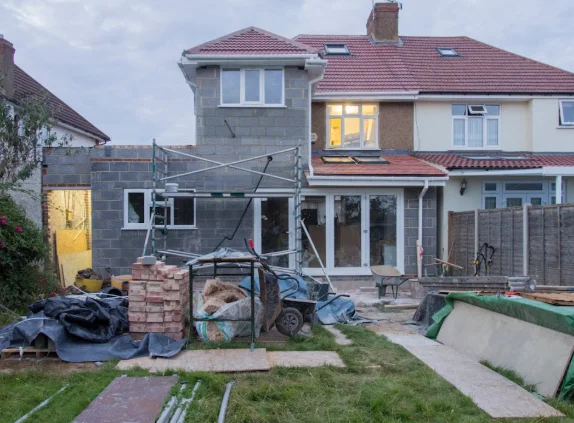
Construction begins with site setup and controlled demolition. Crews protect floors, seal off dusty areas, and create safe access paths. If the addition connects to existing rooms, this phase may include removing walls or exterior siding carefully. This week often feels intense because your home changes quickly. You may also see unexpected issues once areas open up, such as old wiring, hidden water damage, or framing that needs reinforcement. These discoveries don’t always derail the project, but they can require quick decisions. Staying available for questions helps the schedule. The goal in this phase is simple: prepare the structure so framing can begin smoothly.
Framing and Rough Work Shape the Timeline
Framing sets the bones of the addition, and it often marks the most visible progress. Walls go up, rooflines connect, and the new space starts to look real. After framing, crews move into rough plumbing, electrical, and HVAC work. Inspectors usually visit during this stage to confirm the work meets code before walls close. Delays often happen here when homeowners change layouts or fixture locations after rough work begins. That can lead to rewiring or moving pipes. Clear planning upfront helps avoid rework. This stage takes time because multiple trades must coordinate in the right order.
Finishes and Final Checks Bring It Home
Once insulation and drywall go in, the project shifts into the finish stage. This includes trim, paint, flooring, cabinets, lighting, fixtures, and final exterior details. Homeowners often expect this part to move quickly, but it requires careful sequencing. Floors usually go in before final trim, and plumbing fixtures wait until cabinets and counters finish. Small delays also happen because finishing involves many separate tasks, not one big step. Toward the end, the contractor builds a punch list of remaining fixes, then schedules final inspections. This stage feels slower, but it’s what turns a construction site into a livable space.
A realistic home addition timeline includes much more than the weeks spent building. The process starts with clear planning, moves through design and permits, and depends heavily on contractor coordination and material lead times. The homeowners who experience the smoothest projects usually make decisions early, stay responsive during construction, and avoid major changes once work begins. Delays can still happen, especially in older homes, but understanding the stages helps you plan with less stress. When you know what comes next, you can prepare your family, your budget, and your schedule. A home addition takes time, but good planning keeps that time productive.
Discover more content designed to move you forward at 2A Magazine.