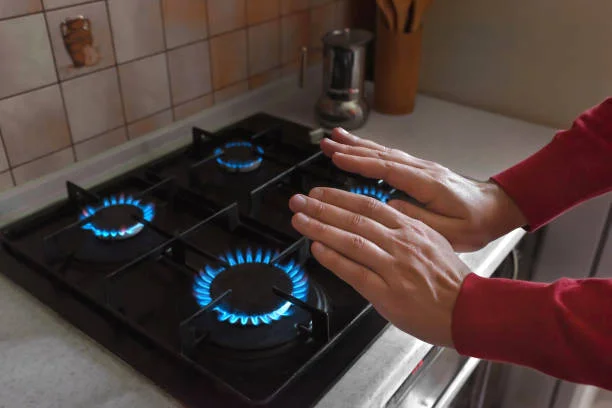
Few things are as frustrating in the kitchen as turning on a burner, waiting for that familiar red glow or blue flame, and… nothing happens. Whether you’re rushing to get dinner on the table or simply trying to boil water for morning coffee, a stove burner that refuses to heat can throw your whole routine into chaos. Before you panic and start shopping for a new range, take a deep breath or Stove burner won’t heat. Most burner issues are surprisingly fixable at home, and only a small percentage actually require replacing the stove itself.
If you’re in the Lower Mainland and the problem turns out to be more serious than a quick DIY fix, professional help is close by. Residents searching for reliable appliance repair North Vancouver trust local experts who can diagnose and solve the issue the same day in most cases.
In this guide, we’ll walk you through the most common reasons a burner stops heating—whether you have an electric coil, electric smooth-top (glass/ceramic), or gas stove—and give you step-by-step instructions to get it working again.
First: Safety Above Everything
Before you touch anything:
- Turn the burner off and let it cool completely.
- Unplug the stove (electric) or turn off the gas supply valve behind the stove (gas models).
- Never stick metal objects into the burner ports or receptacle slots while power is on.
Now let’s dig in.
Electric Coil Burners (The Classic Removable Spiral Ones)
These are the easiest to diagnose.
1. The burner isn’t pushed in all the way
The coil plugs into a receptacle block with two or three prongs of Stove burner won’t heat. If it’s even slightly loose, no power flows. Lift the coil, realign the prongs, and push firmly until it seats with an audible click.
Find your next insight in this related post crafted to deepen your understanding.
2. Burnt-out burner element
Over time the coil itself can break or burn open. Look closely—do you see a blister, dark spot, or actual gap in the metal spiral? Shake it gently; a broken element often rattles. Replacement coils cost $20–$50 and take two minutes to swap.
3. Bad receptacle block (the part the coil plugs into)
Cracked ceramic, burnt terminals, or corrosion here is common on stoves over 8–10 years old. You’ll see black scorch marks or melted plastic. This part is inexpensive ($15–$30) but requires pulling the stove out and removing the back panel for Stove burner won’t heat.
4. Infinite switch (the knob control) failure
Each burner has its own infinite switch that cycles power on and off to maintain temperature. When these wear out, the burner may work only on HIGH, or not at all. You’ll usually smell a faint burnt plastic odor near the knob. Replacement switches run $25–$80.
5. Loose or broken wiring
Wiring behind the stove can loosen from years of sliding the appliance in and out. A loose connection equals no heat.
Quick test for electric coil stoves: Swap the non-working burner with a working one of the same size. If the problem follows the coil, buy a new element. If it stays in the same spot, the issue is the receptacle, switch, or wiring.
Electric Smoothtop / Glass-Ceramic Ranges
These look sleek but hide the components underneath a glass surface.
1. Limiter (thermal fuse) has tripped
Every radiant element has a built-in limiter that cuts power if the burner overheats (empty pot left on high, etc.). Sometimes they trip and never reset. You’ll need to pull the top or the whole cooktop to access and bypass/test it Stove burner won’t heat.
2. Burnt-out radiant element
The coiled ribbon under the glass can break just like old-style coils. You’ll see a dark spot or bubble on the glass where it failed. Replacement elements are $80–$180 depending on size.
3. Bad surface element control board or relay
Newer glass tops use electronic relays instead of infinite switches. A single failed relay can take out one burner. These boards are pricey ($200–$400), which is why many people call a technician at this point.
4. Cracked glass (obvious but worth mentioning)
If the glass is cracked over the dead burner, the element may still work once the top is replaced—but you’ll need a pro because of calibration and adhesive issues.
Gas Burners (No Spark or Weak Flame)
1. Igniter issues – the infamous “click-click-click” with no flame
Modern gas stoves use an electric spark igniter instead of a pilot light.
- Weak or no spark: Clean the igniter tip with a toothbrush and rubbing alcohol. Porcelain igniters crack easily—don’t scrub hard.
- Igniter clicks but flame won’t catch: The igniter may be too far from the burner cap. Gently bend it 1/8″ closer (only while cold and power off).
- Igniter completely dead: Most are $15–$40 and screw in like a spark plug.
2. Clogged burner ports
Grease and boiled-over food block the tiny holes where gas exits. Lift the cap, remove the burner head (it usually just lifts off), and scrub with a straightened paper clip or toothbrush. Soak aluminum parts in hot soapy water—never the porcelain igniter.
3. Burner cap misaligned
The cap must sit perfectly flat and centered. Even 1–2 mm off center can prevent ignition or cause a lazy yellow flame.
4. Gas valve or pressure regulator problems
If all burners are weak, the house-side regulator may be failing (rare). If only one burner is dead, the individual solenoid valve inside the manifold has likely failed. This is a job for a licensed gas fitter.
5. Sealed burner base cracked
On some Whirlpool, Maytag, and KitchenAid models, the aluminum base under the cap cracks and leaks gas underneath instead of through the ports. Replacement bases are surprisingly expensive ($150+).
Induction Cooktops – The New Kid on the Block
Induction fails for entirely different reasons:
- Wrong cookware (must be magnetic—test with a fridge magnet).
- Overheat sensor tripped (let it cool 30–60 minutes).
- Failed induction coil (big repair, $400–$800).
- Control board or power module failure.
Universal Checks That Apply to Every Type
- Circuit breaker tripped (electric stoves use 240V—check for a half-tripped breaker).
- House fuse blown (older homes).
- Child lock engaged (look for “LOC” or padlock icon).
- Sabbath mode accidentally turned on.
- Power surge damaged the main control board (rare but possible).
When to Stop DIY and Call a Professional
You’ve swapped parts, cleaned everything in sight, and still no heat? Here’s when to pick up the phone:
- You smell gas (evacuate and call immediately).
- You see scorch marks or melted wires.
- The stove is under warranty (DIY voids it).
- You need to remove the cooktop or access 240V wiring.
- It’s a sealed gas system requiring a TSSA-licensed technician (in BC, mandatory by law).
A qualified technician has the tools to test continuity, measure voltage drop, and check gas pressure—things impossible without a multimeter and manometer.
Prevention Tips So This Doesn’t Happen Again
- Clean spills immediately—sugar and salt are corrosive.
- Lift pots instead of sliding them (especially on glass tops).
- Never use the stovetop for extra storage.
- Schedule annual maintenance if your stove is over 10 years old.
- Keep the area behind the stove accessible for wiring checks.
Final Thoughts
A burner that won’t heat is annoying, but nine times out of ten it’s a 15-minute fix with basic tools and a $30 part. Start simple: reseat coils, clean ports, swap elements. Work your way up only if needed. You’ll save hundreds over replacing the entire appliance.
Still stuck after trying everything? Don’t let a cold burner ruin another meal. Book a service call with a trusted local team specializing in stove repair vancouver. They’ll have the experience, parts van, and proper licensing to get you cooking again—often the same day.
Happy cooking (and may all your burners glow red hot from now on)!
Your journey continues—explore more content that fuels curiosity and growth at 2A Magazine.