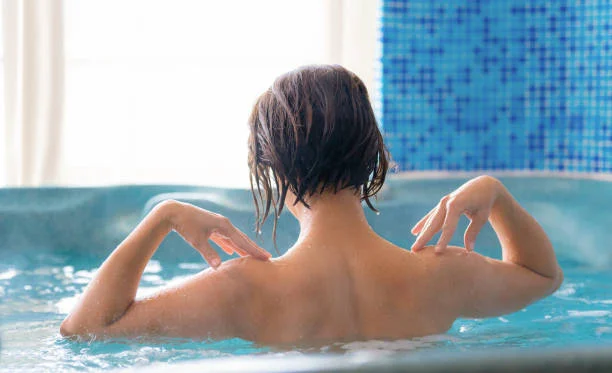
After a long week, there’s a reason so many people find themselves drawn to the idea of slipping into hot water and just staying there. But beyond the obvious comfort, there’s real physiology behind why it feels so good — and why regular soaking might be doing more for your health than you realize.
Your Muscles Relax — and So Does Your Nervous System
The heat from a hot tub causes blood vessels to dilate, increasing circulation throughout the body. This improved blood flow delivers oxygen and nutrients to tired muscles while helping flush out metabolic waste like lactic acid. But the benefits don’t stop at your muscles. The warmth activates the parasympathetic nervous system — the part responsible for “rest and digest” — which slows your heart rate and lowers cortisol levels. The result is a full-body shift away from tension.
It Can Have a Meaningful Impact on Sleep
One of the more surprising benefits of hot tub soaking is what happens after you get out. Your core body temperature rises while you’re in the water, then drops when you step out and cool down. That drop mimics the natural temperature decrease your body undergoes when preparing for sleep, signaling to your brain that it’s time to wind down. A 20-minute soak about an hour before bed can meaningfully improve both how quickly you fall asleep and the quality of rest you get.
Joint Pain and Stiffness Relief
The buoyancy of water reduces effective weight on your joints by up to 90%, which is why hydrotherapy has long been used in physical rehabilitation. For people dealing with arthritis, lower back pain, or general stiffness, the inflammation and discomfort that limit daily movement can ease significantly with regular hot water immersion — effects that are difficult to replicate with most at-home treatments.
The Cardiovascular Connection
Passive heat therapy — which is essentially what a hot tub provides — has shown real promise as a cardiovascular tool, particularly for people who struggle with traditional exercise. The elevated heart rate from soaking mimics mild aerobic activity, and research has linked regular hot water immersion to lower blood pressure and improved vascular function. This doesn’t replace exercise, but it offers a meaningful secondary benefit for people managing heart health.
Skin Circulation and the Recovery Connection
Heat opens pores and increases surface blood flow, which supports the skin’s natural repair process. Improved circulation helps with everything from texture to tone — it’s why heat-based approaches show up increasingly alongside professional skin tightening services and other recovery-focused wellness modalities.
Mountain Communities Have Known This for a Long Time
In colder, high-altitude regions — places like Trail & Castlegar, BC and the surrounding Kootenay communities — hot tubs aren’t just a luxury. They’re a practical tool for managing the physical demands of mountain living: long winters, outdoor recreation, and the kind of daily muscle fatigue that comes with an active lifestyle. People who shop for hot tubs in Castlegar often cite sleep and muscle recovery as their primary reasons, not just relaxation.
It’s More Than Stress Relief
The wellness industry has done a good job marketing hot tubs as stress-relief products, and while that’s accurate, it undersells what regular soaking can actually deliver. When used consistently — even just a few times per week — the cumulative effects on sleep, circulation, joint health, and cardiovascular function add up to something more than a way to unwind. It’s a low-effort, high-return wellness habit that most people never take seriously enough.
The gap between “indulgence” and “health habit” is narrower than most people assume. The physiology is real, the benefits are measurable, and the barrier to entry is lower than a gym membership or a specialist appointment. Whether you’re managing chronic pain, chasing better sleep, or looking for a consistent way to decompress, the case for regular soaking is stronger than it looks.