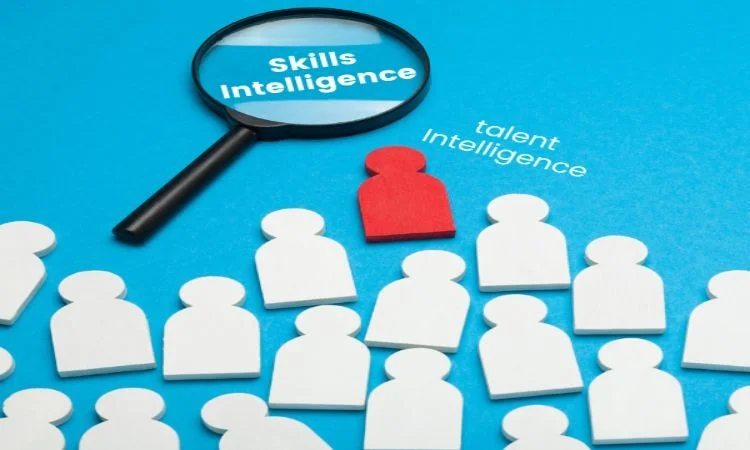
Skill intelligence sits at the intersection of people, roles, and changing work demands. This may sound large at first, almost like pure theory, but the underlying idea is simple – it describes how an organisation assesses the skills it has, the skills it lacks, and the skills it might need as work shifts. Most teams already try to do this. The difference now is that tools can read skill data with more accuracy. That gives everyone a clearer picture of what they can do with the talent they already have.
Some teams approach skill intelligence as a map that keeps updating. A new project appears, and the map reshapes itself to show who fits where. It reduces the kind of guesswork that leads to mismatches. The map also helps people understand their own growth path without long discussions that often leave both sides confused.
Keep the momentum—explore another post tied closely to this topic.
How Skill Intelligence Shows up in Daily Work
A useful way to understand skill intelligence is to trace small events in a regular week. Someone posts an internal role that needs a mix of three skills. Instead of sorting through long lists of names and past records, a system highlights the few people with a close match. The team then checks those names and initiates discussions with the most promising candidates. The process stays human. The tool only narrows the field.
Hiring also changes. Instead of framing a role only through job titles, teams start to frame it through skills. A developer might have strong problem-solving skills but less experience in a specific tool. Skill intelligence helps the hiring team decide what matters more for that project. These questions feel simple, yet they often shape stronger long-term choices.
Training plans move in a similar direction. Tools read past work, project patterns, and the skills someone used often. They then match those patterns with skills that help the person move to the next step. It feels less random than broad training sessions that fill large rooms without clear outcomes.
Resource management software holds a large part of this shift. These systems work in the background and update skill data through profiles, past assignments, and manager notes. It becomes easier to match projects with people who have the right mix. The idea spreads across teams and shapes how leaders plan their work.
Profinda uses this concept to match people with roles and tasks across an organisation. It helps teams see how skill data moves, where gaps sit, and how they might use the talent they already have before they search outside.
Why Tech Teams Keep Returning to the Idea
Skill intelligence stays relevant because work moves quickly. Tech teams know this more than most groups. A tool that dominated last year might fade this year, and a skill that seemed rare last month might spread across the team now. If an organisation sees these shifts early, it avoids long delays and awkward fits.
The idea also helps people understand their own standing. Someone might feel stuck in a role. When they read their skill map, they notice two strong skills that link to roles they never considered. They talk to a manager. A new path opens. This happens more often than expected once the map becomes clear.
A simple example helps here. A designer joins a product team and works on interface screens for months. The designer then handles some project coordination. The system notes the skill usage pattern and suggests that the person has a rising strength in cross-team work. The manager sees this note and offers more responsibility on a future project. A small shift now might turn into a broader role later.
Skill intelligence also guides workforce planning. When leaders see which skills appear often and which remain rare, they plan hiring with more clarity. They can also use resource management software to allocate people without stretching teams too thin. That balance supports output and reduces stress.
Some leaders raise questions about over-reliance on data. This is fair. Data alone cannot judge personal traits that matter in teamwork. The best use of skill intelligence comes when it supports human calls rather than replaces them. The mix creates a balanced way to grow teams.
Skill intelligence keeps moving as work changes. People learn new tools. Projects reshuffle. Priorities shift. The idea holds because it adapts to these changes without asking teams to rebuild their strategy from scratch each time.
Keep learning—click here to explore a treasure trove of related content at 2A Magazine.