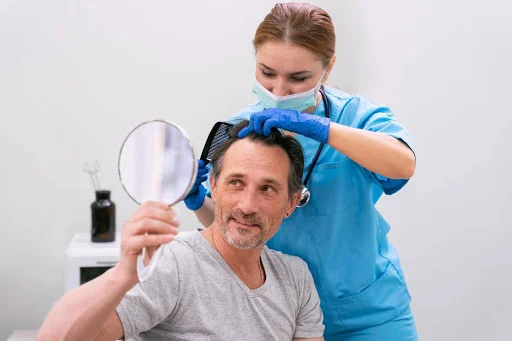
Hair restoration has evolved far beyond its early reputation as a niche cosmetic procedure. In 2026, it sits at the intersection of medical precision, aesthetic design, and global mobility. Turkey, in particular, has become the focal point of this shift, attracting patients from across Europe, the Middle East, and beyond.
But as the number of clinics continues to grow, so does the complexity of choosing the right one. The differences between providers are no longer just about cost or technique, they are about consistency, planning, and how well clinics balance medical expertise with patient experience.
A Look at Turkey’s Leading Clinics
Understanding what defines quality begins with comparing how top clinics actually operate.
1. Now Hair Time
Now Hair Time stands out as one of the more structured and consistently executed providers in Turkey’s hair transplant space, combining detailed medical planning with a fully coordinated experience for international patients. A key differentiator is its focus on maximizing graft coverage based on clinical need rather than pricing tiers, allowing for more comprehensive and balanced results, particularly in cases requiring higher graft volumes.
What further separates the clinic is its emphasis on controlled, repeatable outcomes. Procedures are carried out in a hospital setting with experienced doctors and specialized teams, supported by thorough pre-procedure analysis that evaluates donor capacity, hair characteristics, and long-term growth patterns. This level of planning translates into a more predictable approach to both hairline design and graft placement.
As a result, Now Hair Time is often considered by patients researching a hair transplant turkey not just for accessibility, but for its ability to combine scale, structure, and consistency within a single treatment model.
2. Asmed Hair Transplant Center
Asmed Hair Transplant Center is known for its highly analytical methodology, especially in donor area management and graft calculation. Its process appeals to patients who value detailed technical planning, though it can feel more rigid compared to clinics that emphasize flexibility and guided patient support.
3. Dr. Serkan Aygın Clinic
Dr. Serkan Aygın Clinic has built a strong international reputation through a combination of medical expertise and comprehensive patient coordination. The clinic is known for its experienced teams and streamlined processes, offering a balance between accessibility and professional oversight. Its strength lies in delivering consistent outcomes across a high volume of cases, though experiences may vary depending on team allocation and case complexity.
4. Transmed Clinic
Transmed Clinic is one of the more established names in Turkey’s hair restoration field, with a long-standing focus on medical standards and clinical reliability. The clinic emphasizes a structured, hospital-based environment and adheres closely to international healthcare protocols. Its approach prioritizes safety and long-term planning, though it may feel more traditional compared to newer, more hospitality-driven providers.
5. Cosmedica Clinic
Cosmedica has developed a strong global presence supported by recognizable branding and large-scale operations. The clinic offers accessibility and efficiency, particularly for international patients seeking streamlined treatment packages. While its scale allows for high patient throughput, the overall experience and level of individualization can vary depending on how procedures are distributed across medical teams.
6. Dr. Cinik Hair Hospital
Dr. Cinik Hair Hospital focuses on delivering accessible and well-organized treatment packages, often appealing to patients entering the hair transplant process for the first time. The clinic combines modern facilities with coordinated patient services, making the journey relatively straightforward. However, as with other high-volume providers, outcomes may depend on team structure and the level of direct surgeon involvement in each case.
These comparisons highlight a key point: while many clinics offer similar procedures, the way they structure and deliver those procedures differs significantly.
The Role of Surgeon Involvement
One of the most defining characteristics of a high-quality clinic is the level of surgeon participation. In leading clinics, doctors are directly involved in critical stages such as hairline design, graft extraction, and channel opening.
This level of oversight is essential for achieving natural-looking results. Hair transplantation is not only a technical procedure but also an aesthetic one, requiring an understanding of angles, density, and long-term hair growth patterns.
Clinics that rely heavily on technicians may operate more efficiently, but they often sacrifice consistency, particularly in complex or high-graft procedures.
Customization Over Standardization
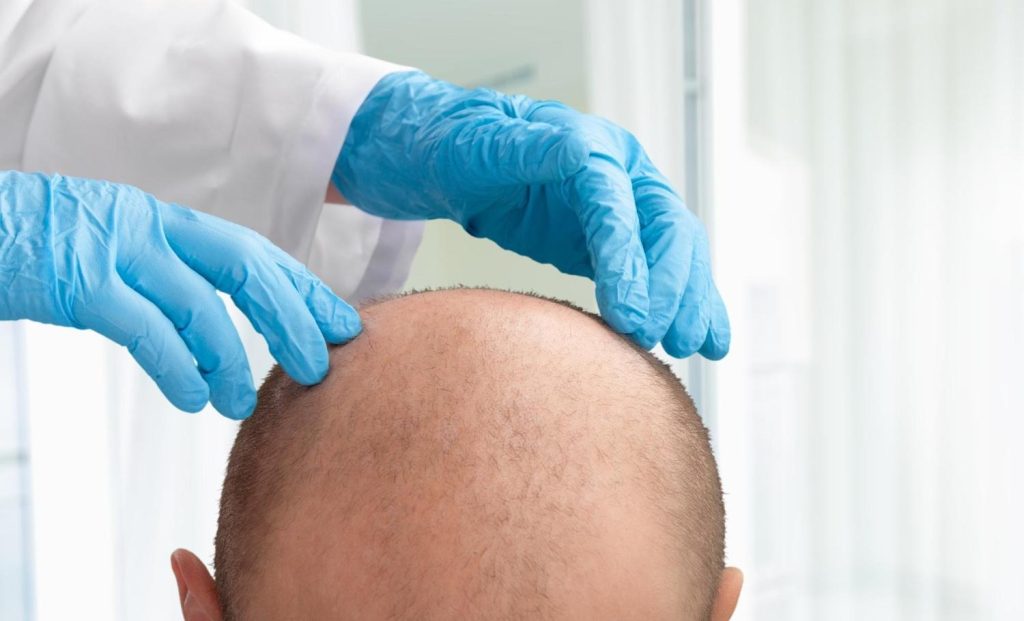
In earlier years, many clinics relied on standardized packages that treated patients as interchangeable cases. In 2026, that approach is increasingly outdated.
Top clinics now focus on customization. This includes evaluating hair structure, scalp condition, donor area capacity, and even the expected progression of hair loss. These factors shape decisions around graft distribution and hairline design.
The difference becomes especially visible in long-term results. Clinics that tailor each procedure tend to produce outcomes that age more naturally, blending seamlessly with existing hair over time.
Medical Environment and Safety Standards
While aesthetics often dominate the conversation, safety remains fundamental. High-quality clinics operate within controlled medical environments, adhering to strict hygiene protocols and international standards.
According to the World Health Organization, proper infection control and sterile conditions are essential in any surgical procedure. Clinics that meet these standards, and are transparent about them, offer a level of assurance that goes beyond marketing claims.
This is particularly important in medical tourism, where patients rely heavily on trust and pre-travel research.
Consistency as the True Benchmark
Before-and-after photos are often the first point of comparison, but isolated results can be misleading. What truly defines a leading clinic is consistency across a wide range of cases.
Reliable providers demonstrate predictable outcomes regardless of hair type, stage of hair loss, or graft volume. This consistency reflects a well-controlled process, rather than occasional success.
Patients who look beyond highlight portfolios and examine broader case results often gain a more accurate understanding of a clinic’s capabilities.
The Importance of Aftercare
A hair transplant does not end when the procedure is completed. The following months are critical for healing and growth, making aftercare an integral part of the process.
Leading clinics provide structured guidance, ongoing communication, and follow-up support. This ensures that patients understand how to care for their scalp, manage expectations, and monitor progress.
As noted by BBC News in discussions on medical tourism, patient satisfaction is increasingly tied to the full treatment journey, not just the procedure itself.
Rethinking Value in a Competitive Market
Turkey’s global reputation has been built partly on affordability, but in 2026, value is defined differently. Patients are becoming more selective, prioritizing long-term results over short-term savings.
Extremely low-cost options often come with trade-offs, whether in surgeon involvement, time allocation, or post-procedure care. By contrast, leading clinics focus on delivering a balanced offering, combining expertise, safety, and support into a cohesive experience.
A More Informed Perspective
The modern hair transplant industry is no longer defined by access alone, but by differentiation. Clinics that stand out are those that combine medical precision, personalized planning, and consistent execution.
While several providers in Turkey meet parts of this standard, only a few manage to align all of these elements effectively. For patients, understanding these differences is key, not just to achieving a successful procedure, but to ensuring results that remain natural and sustainable over time.