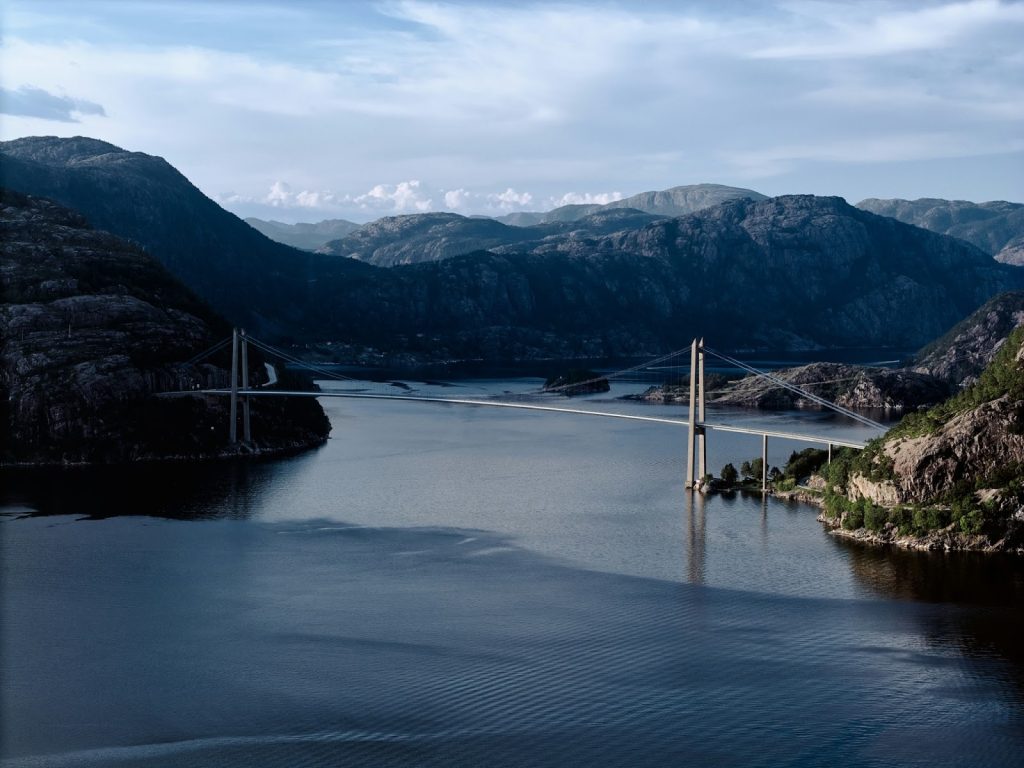
Scandinavia unfolds like a northern tapestry: vast forests brushed with mist, waterfalls thundering into deep ravines, and wooden towns painted in warm hues that glow even under winter skies. It is a region shaped by nature’s grandeur and softened by centuries of craftsmanship, community and culture. Travellers who journey through these landscapes discover more than scenic viewpoints — they encounter a way of life closely tied to the land, where simplicity and beauty go hand in hand.
From Norway’s dramatic fjords to Sweden’s archipelagos and Finland’s wild reindeer forests, Scandinavia offers an astonishing variety of environments. Wooden heritage towns preserve centuries-old traditions; mountain valleys echo with the calls of migrating birds; and rivers carve pathways through wilderness that feels untouched by time. Whether you travel in summer’s endless daylight or winter’s glowing twilight, Scandinavia reveals a distinct rhythm — slow, reflective, and deeply connected to nature.
Planning a Northern Journey
Many travellers begin with the help of private Scandinavia tours, which offer structured yet flexible ways to explore multiple countries while delving into local culture, food and landscapes.
These tours often include handpicked routes through historic towns, national parks, coastal villages and mountainous regions, making it easier to appreciate the diversity of Scandinavia’s scenery.
Norway: A Land Carved by Water and Stone
Norway’s landscapes feel almost sculptural — vertical cliffs, narrow fjords and deep blue lakes shaped over millennia by glaciers. It is a country where waterfalls are so common that they seem like part of everyday life.
Geirangerfjord
A UNESCO World Heritage site, Geirangerfjord is known for its iconic waterfalls:
- Seven Sisters cascading like silver ribbons
- The Suitor, flowing gracefully across the rock face
- Bridal Veil, which creates a delicate mist when the light is right
Boat tours, kayaking routes and cliffside viewpoints make this fjord a treasure for nature lovers.
Vøringfossen
One of Norway’s most striking waterfalls, Vøringfossen crashes 182 metres into a rocky canyon. Recently built viewing platforms and walkways allow visitors to experience its power safely while taking in panoramic views of the surrounding valley.
Hardangervidda
Europe’s largest mountain plateau, Hardangervidda is home to vast reindeer herds and dramatic hiking trails. In summer, its open landscapes offer hours of peaceful walking beneath endless sky.
Arrival by Fjord and Rail
Travelling between Norway’s dramatic landscapes often involves scenic trains, ferries and mountain buses. Routes such as the Flam Railway pass through tunnels, waterfalls and snow-covered peaks, offering postcard views at every turn.
This combination of rail and water makes Norway a joy to explore slowly, letting the landscape unfold organically.
Sweden: Wooden Towns, Lakeside Life and Folk Traditions
While Norway impresses with rugged wilderness, Sweden charms with gentle landscapes, wooden architecture and lakeside communities that feel lifted from storybooks.
Dalarna
Often considered Sweden’s cultural heartland, Dalarna is famous for its red-painted wooden houses, traditional folk costumes and the iconic Dala horse. Summers in Dalarna bring lake swimming, midsummer festivals and peaceful countryside cycling.
Gamla Stan, Stockholm
Stockholm’s Old Town is a perfectly preserved wooden-and-stone district filled with:
- Cobblestone alleys
- Colourful façades
- Artisan shops
- Cosy cafés
It is a living museum, yet full of everyday life — children playing in squares, locals walking dogs, and artists painting by the water.
Eksjö
One of Sweden’s best-preserved wooden towns, Eksjö is a delight for travellers who appreciate craftsmanship. Its timber buildings date from the 16th century, their painted exteriors revealing a palette of earthy colours unique to rural Sweden.
Finland: Wilderness, Silence, and the Call of the North
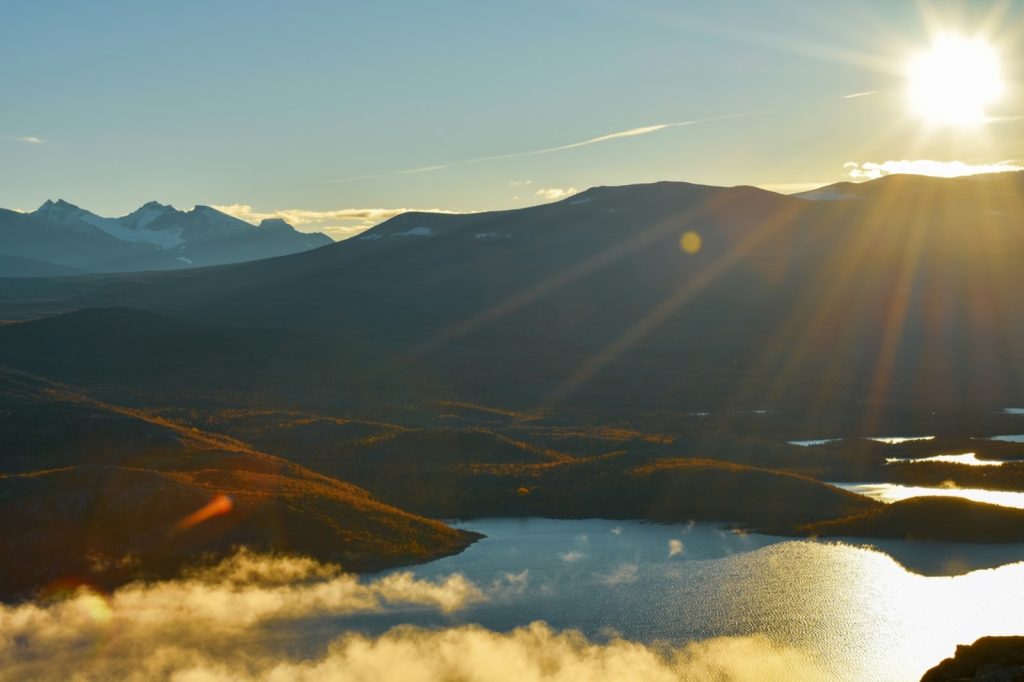
Finland’s landscapes shift from lakes dotted with islands to deep forests and the vast tundra of Lapland.
Oulanka National Park
Home to hanging bridges, roaring rapids and forest trails, Oulanka is ideal for hikers who want to experience Finland’s wilderness without sacrificing comfort.
Porvoo
A picture-perfect town of wooden houses lining a quiet river, Porvoo is known for its cinnamon-scented bakeries, local artisans and pastel-coloured heritage architecture.
Lapland
Far to the north, Finland offers one of Europe’s final frontiers — a land of snowy wilderness, roaming reindeer and serene Arctic nights. In winter, the Northern Lights dance across the sky; in summer, the midnight sun bathes the landscape in golden light.
Travelling Norway the Personal Way
Travellers seeking a deeper, more intimate immersion into Norwegian landscapes often opt for a private Norway tour, which allows for customised routes through fjords, mountain villages and hidden waterfalls.
This style of travel is ideal for photography lovers, hikers and families wanting to explore natural wonders without fixed timetables.
Wooden Heritage and Craftsmanship
Across Scandinavia, wooden buildings are more than architectural structures — they are symbols of identity and continuity. Towns like Røros in Norway and Rauma in Finland showcase centuries-old building techniques that remain remarkably intact.
Røros
A former mining town and UNESCO World Heritage site, Røros features:
- Narrow streets lined with wooden houses
- Colourful doors and window frames
- Local chocolatiers and craft workshops
The town feels timeless, especially when dusted with snow.
Rauma
Known for its lace-making tradition, Rauma’s Old Town is one of Finland’s largest wooden districts, filled with:
- Painted cottages
- Handmade crafts
- Quiet courtyards
These wooden environments offer a glimpse into a slower, community-focused way of life.
Scandinavian Waterfalls: More Than Scenic Backdrops
Waterfalls play a symbolic role in Scandinavian culture. They often appear in folklore, representing strength, mystery or natural guardianship.
Folklore and Myth
In Norway, tales speak of trolls hiding behind falling water; in Sweden, waterfalls were once believed to hold healing powers; in Finland, rapids feature in ancient poetry and shamanistic traditions.
Today, these waterfalls attract travellers who appreciate both their beauty and the stories attached to them.
Seasonal Highlights Across Scandinavia
Spring
Melting snow fuels waterfalls and brings vibrant green back to forests.
Summer
Long daylight hours allow for extended hiking, kayaking and photography.
Autumn
Forests turn golden, wooden towns glow warmly and markets fill with harvest produce.
Winter
Frozen waterfalls, snowy towns and soft Arctic twilight create ethereal scenes perfect for quiet exploration.
Tips for Exploring Scandinavian Nature and Towns
- Layer clothing — weather can change quickly
- Choose eco-conscious tours to minimise environmental impact
- Support local artisans in wooden towns
- Stay flexible, as mountain roads may close during winter storms
- Bring a camera, but take time to savour moments without it
Final Thoughts: A Region of Raw Beauty and Warm Heritage
Scandinavia’s waterfalls, wooden towns and wild landscapes reveal a region defined by contrasts — power and softness, tradition and innovation, solitude and community. Travellers who venture into these northern realms discover more than natural beauty; they find cultural stories carved into mountainsides, painted onto wooden façades and sung through folklore.
Whether journeying along fjords, wandering through centuries-old towns or exploring untouched forests, Scandinavia invites visitors to slow down, breathe deeply and connect with a land that feels both ancient and refreshingly alive.