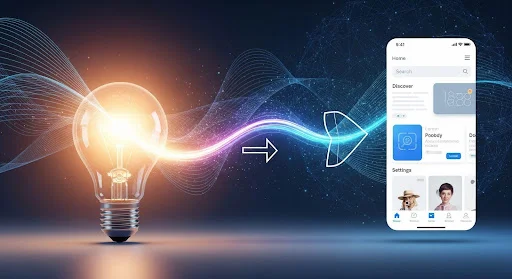
You’ve probably heard about no-code. It’s the game-changing movement that lets you build apps and websites with visual tools instead of complex programming languages. It has already helped millions of people bring their amazing ideas to life. But what if building an app was less about arranging buttons and more about capturing a feeling? What if you could tell your builder, “Make it feel more trustworthy” or “I want this to feel exciting,” and it actually understood Emotional No-Code?
This isn’t science fiction. It’s the next big step in creation, and it’s called “vibe coding.” We’re moving beyond just telling our tools what to build and starting to tell them how we want our creations to feel. This is where no-code gets emotional intelligence. It’s about building apps that don’t just work well but also resonate with users on a human level. Get ready, because by 2026, the vibe of your app will be just as important as its functionality.
Step deeper—this related article connects ideas and broadens your perspective.
What in the World is Vibe Coding?
With vibe coding, you build software based on the feeling you want to create. Instead of worrying about hex codes and fonts, you tell your AI-powered app builder the emotional direction. For example, you could say, “I’m creating a meditation app, so I want it to feel calm, gentle, and supportive.”
The AI then translates that “vibe” into design choices. It might pick a soft color palette, use slow animations, and choose a clean, minimalist font. The app builder could even suggest features that match the feeling, like a guided breathing exercise or a journaling section.
This is about more than looks; it’s about giving your creation a personality that connects with your audience. It’s the difference between a website that just gives information and one that makes people feel understood.
Why Your App Needs Good Vibes
Think about the brands you love. They don’t just sell you a product; they make you feel something. A well-designed app can do the same thing. An app that feels trustworthy encourages users to make a purchase. An app that feels fun and rewarding keeps users coming back for more Emotional No-Code.
When your app has the right vibe, it does a few amazing things for your business:
- It Builds Trust: A professional, polished app that feels secure and reliable makes customers more confident in your business. This is especially important for ecommerce stores or any service that handles personal information.
- It Increases Engagement: When an app is enjoyable to use, people use it more often. Positive emotional cues, like celebratory animations when a user completes a task, can create a rewarding experience that keeps them hooked.
- It Creates a Stronger Brand: Your app’s vibe is a powerful part of your brand identity. It communicates your values and personality without a single word of copy. A consistent feel across your app and website helps build a memorable brand that people recognize and connect with.
Vibe coding makes achieving this so much easier. You don’t have to be a professional designer to create an emotionally resonant experience. You just have to know your audience and the feeling you want to evoke for Emotional No-Code.
How AI Makes Vibe Coding Possible
This all sounds great, but how does it actually work? The magic is in the advancements of artificial intelligence. Modern AI models are incredibly good at understanding language and context. They have been trained on millions of websites, designs, and user interactions, so they have a deep understanding of what makes a design “feel” a certain way.
When you give a prompt like “make it feel more energetic,” the AI taps into this knowledge.
- It Analyzes Patterns: It knows that energetic designs often use bright colors, bold fonts, and fast animations. It can apply these patterns to your app instantly.
- It Understands User Psychology: The AI can predict how different design choices will affect a user’s emotions. It knows that a simple, clean interface can reduce anxiety, while a gamified experience can create excitement.
- It Learns from Feedback: The more people use vibe coding, the smarter the AI gets. It will learn which combinations of design elements create the most effective “vibes” for different types of apps and audiences.
Platforms are already starting to integrate these ideas. For instance, the AI website builder platform can generate entire website sections based on a simple text prompt. The next logical step is for that prompt to include emotional direction, like, “Create a services section that feels high-end and exclusive to Emotional No-Code.”
Getting Ready for the Emotional Future
So, how can you start thinking in terms of “vibes” today, even before these tools are fully mature? You can start by getting clear on the feeling you want your business to project.
Ask yourself a few questions:
- Who is my audience? What do they value? What kind of experience are they looking for? A young, tech-savvy audience might appreciate a bold, modern vibe, while an older audience might prefer something more traditional and straightforward.
- What is the core purpose of my app? If you’re building a productivity app, you might want it to feel efficient, organized, and empowering. If it’s a social app, you might want it to feel fun, friendly, and connected.
- What are three words I want people to use to describe my app? Write them down. Words like “calm,” “exciting,” “trustworthy,” “playful,” or “luxurious” can become your guideposts.
Once you have your vibe words, you can start making design choices that align with them. Choose colors, fonts, and images that reflect that feeling. Write your copy in a tone of voice that matches the personality you want to project. This will give you a head start, and when vibe coding becomes mainstream, you’ll be ready to take full advantage of it.
The Creator Economy Gets a Soul
Vibe coding is going to be a huge deal for everyone, but it’s going to be especially transformative for the creator economy. YouTubers, artists, coaches, and consultants build their businesses around their unique personalities. Their brand is their vibe.
With vibe coding, a creator can ensure their app is a perfect extension of themselves. A fitness coach known for their high-energy workouts can build an app that feels just as motivating and intense. A life coach who focuses on mindfulness can create an app that feels like a peaceful sanctuary.
This allows creators to offer a more authentic and immersive experience for their followers. The app becomes more than just a tool; it becomes another way for their community to connect with the personality they know and love. It closes the gap between the creator and their audience, building a deeper, more meaningful relationship.
A New Era of Personalization
The future of vibe coding goes even further. Imagine an app that can adjust its vibe based on the individual user. An app could detect a user’s mood or preferences and subtly change its colors, music, or even the tone of its notifications to create a more personalized experience.
A news app, for example, could present serious topics in a calm, focused interface, but switch to a more vibrant and engaging design for entertainment news. A fitness app could have a “high-energy” mode for intense workouts and a “chill” mode for stretching and recovery sessions.
This level of dynamic personalization will make apps feel less like static tools and more like responsive companions. It’s the ultimate form of user-centric design, and it’s a future that vibe coding will help us build. Your app won’t just serve your customers; it will understand them.
Your next discovery awaits—explore additional stories to expand your knowledge.