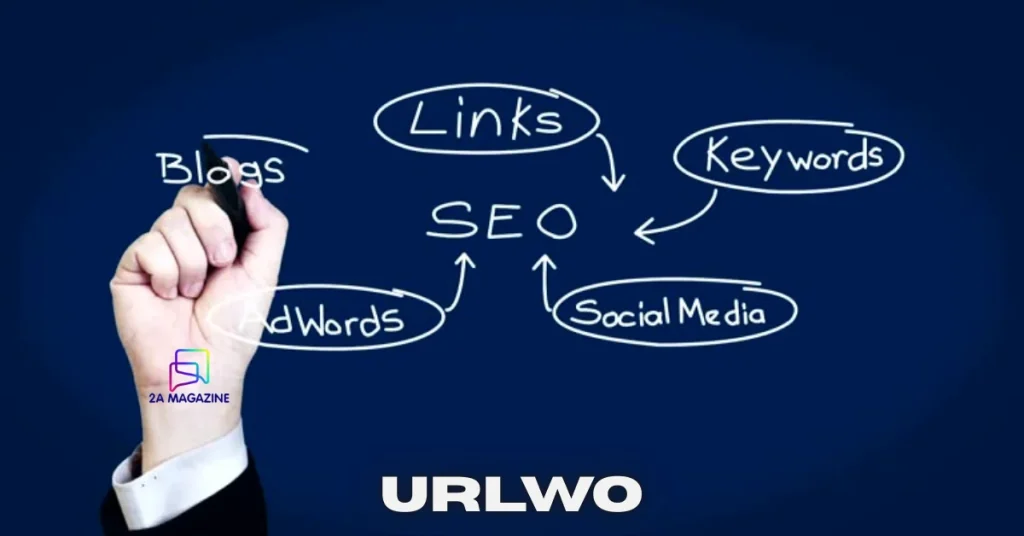
Introduction to URLwo and the importance of SEO-friendly URLs
In the vast digital landscape, where every click counts, crafting SEO-friendly URLs is more crucial than ever. Enter URLwo—a tool designed to transform your web addresses into powerful assets that can enhance visibility and drive traffic. With search engines constantly evolving, optimizing your URLs isn’t just a good practice; it’s essential for staying competitive.
Have you ever wondered how some websites seem to effortlessly climb the rankings while others struggle in obscurity? A significant factor could be the structure of their URLs. An effective URL does more than merely direct users to content; it communicates information about that content and influences search engine algorithms.
Join us as we dive deeper into the world of URL optimization with URLwo. Learn why smart, SEO-ready URLs are vital for your website’s success and discover tips and techniques that will elevate your online presence!
Discover insights that complement this topic—click to explore our related post now!
Understanding the basics of URLs and their impact on SEO
URLs are the gateways to your web pages. They tell both users and search engines where to find content. A well-structured URL enhances user experience by providing clarity about what lies ahead.
Search engines consider URLs in their ranking algorithms. Keywords within a URL can signal relevance for specific queries. This means that a strategic approach can boost visibility in search results.
Short, descriptive URLs tend to perform better than long, complex ones. Clear paths help visitors understand your site’s structure, fostering trust and encouraging clicks.
The format matters too; using hyphens instead of underscores makes it easier for search engines to read individual words. A clean URL is not just good practice but essential for effective SEO strategies as you leverage “urlwo” principles throughout your website’s architecture.
The do’s and don’ts of creating effective URLs
Creating effective URLs can significantly impact your website’s SEO. Follow these key tips to get it right.
Do use descriptive keywords. They not only help search engines understand your content but also improve user experience.
Keep URLs short and simple. Short URLs are simpler to read, share, and recall.
Utilize hyphens to separate words. This practice enhances readability for both users and search bots.
Avoid using special characters or unnecessary parameters. They can confuse users and complicate indexing by search engines.
Don’t stuff keywords into your URLs. This approach looks spammy and can harm your rankings rather than boost them.
Refrain from changing URLs frequently once they’re established. Consistency helps maintain backlinks, which are crucial for SEO performance.
Focus on clarity over cleverness; a straightforward URL often performs better in searches than a creatively cryptic one.
Take the next step—explore more articles crafted to guide and inform you.
Tools and techniques for optimizing URLs for SEO
Optimizing URLs is essential for enhancing SEO performance. There are several tools to consider in this process.
Google Search Console offers insights into how your URLs perform. This tool helps identify any crawl errors and shows which pages attract traffic.
Another useful resource is Yoast SEO, especially for WordPress users. It provides suggestions on URL structure during the content creation phase, ensuring they’re search engine friendly from the start.
You can also leverage keyword research tools like SEMrush or Ahrefs. These platforms help you find relevant keywords to incorporate naturally into your URLs.
Using a URL shortener can enhance user experience as well, making links easier to share without sacrificing clarity.
Remember that keeping URLs concise and descriptive always works in your favor, using hyphens instead of underscores enhances readability too.
Case studies of successful websites with optimized URLs
Many websites have harnessed the power of optimized URLs to boost their visibility. One notable example is Airbnb. Their URLwo structure includes keywords like “homes” and “experiences,” making it clear what users can expect from each page.
Similarly, Moz has mastered URL optimization. Each article link contains relevant terms that reflect the content’s focus, enhancing its searchability and relevance in results pages.
Shopify takes a strategic approach as well. By incorporating product names directly into URLs, they improve user experience while signaling to search engines exactly what each page offers.
These case studies illustrate that thoughtful URL structures not only enhance SEO but also foster better user engagement across platforms.
Common mistakes to avoid when creating URLs for SEO
One common mistake is using long, convoluted URLs. Search engines prefer straightforward structures that are easy for users to read and understand. Keep it concise.
Avoid keyword stuffing within the URL. While keywords are essential, cramming too many can make your URL look spammy and unprofessional.
Another pitfall is neglecting hyphens between words. Using underscores or leaving spaces can confuse search engines and affect how your content ranks.
Don’t forget about lowercase letters. Uppercase characters in URLs can lead to duplicate content issues since some servers treat them differently than lowercase ones.
Steer clear of dynamic parameters if possible. Static URLs tend to perform better because they’re cleaner and more user-friendly, which ultimately enhances SEO efforts.
Conclusion: The power of URL optimization for driving traffic and improving search rankings
Optimizing URLs is a powerful strategy for anyone looking to enhance their website’s visibility. When done right, effective URL structures can significantly boost your search engine rankings and attract more organic traffic.
A well-crafted URL not only reflects the content of your page but also helps search engines understand what it’s about. This clarity can lead to better indexing and higher placements in search results. Additionally, users are more likely to click on clean, descriptive URLs that convey relevance at first glance.
Taking the time to implement best practices—like keeping URLs concise, using keywords wisely, and avoiding unnecessary parameters—can make a big difference. The examples from successful websites show just how impactful optimized URLs can be in driving engagement and conversions.
As you work toward refining your web presence with URLwo techniques, remember that every little change counts. Pay attention to details like readability and keyword usage; they all contribute to creating an SEO-friendly environment that attracts visitors while ensuring a seamless user experience. Embracing these strategies will serve as a foundation for continued growth in both traffic and brand authority over time.
Check out this featured post for standout tips and expert insights you’ll love.