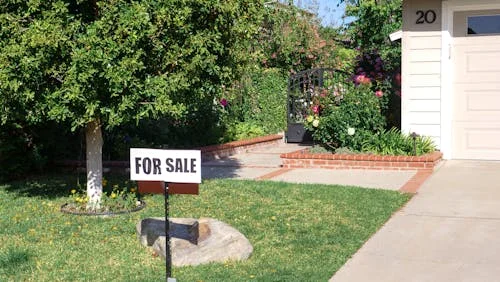
Have you ever wondered why buying a vacation home in places like Gatlinburg feels both exciting and oddly complicated at the same time? Many people dream of owning a place where others go to relax, yet the process behind that dream is far from simple Buying property in tourist areas. Tourist markets behave differently from regular housing markets. Prices shift with trends, rules can be stricter, and expectations are higher. Understanding how it all works can save money, stress, and a few hard lessons.
Why Tourist Markets Work Differently
Buying in a tourist area is not just about finding a house you like. You are stepping into a hybrid market that mixes housing with hospitality. Demand rises and falls with seasons, economic cycles, and even social media trends. A viral TikTok video can suddenly make a quiet town crowded.
These areas often attract investors, second-home buyers, and short-term rental hosts. That mix pushes prices higher and makes competition intense. You are not just competing with families but also with people treating property like a business. That changes how quickly homes sell and how much they cost.
Finding the Right Listings
Searching for property in a tourist town requires more than scrolling through photos. You need to look at rental potential, location traffic, and seasonal demand patterns. Some homes look great but sit in areas where tourists rarely stay, which limits income.
When exploring Gatlinburg real estate listings, buyers often notice how varied the options are, from small cabins to luxury rentals. Working with professionals like Local Realty Group can help you sort through what actually performs well versus what simply looks appealing online. A scenic view matters, but proximity to attractions often matters more.
Understanding Pricing Trends
Tourist properties rarely follow normal price rules. Instead of steady growth, you may see sharp jumps during peak demand periods. For example, pandemic-era travel restrictions pushed many Americans toward domestic tourism, which drove up prices in mountain towns and beach communities.
Even now, pricing reflects a mix of inflation, travel demand, and remote work trends. Some buyers overpay because they assume rental income will cover everything. A smarter approach is to study historical price data and compare it with rental performance, not just current asking prices.
Financing Isn’t Always Straightforward
Getting a loan for a tourist property can feel like jumping through extra hoops. Lenders often treat these homes as investment properties, which means higher down payments and stricter approval standards. Interest rates may also be slightly higher.
If you plan to rent the property, lenders may ask for projected rental income, but they will not always count all of it toward your approval. That creates a gap between what buyers expect and what banks accept. Planning for that gap ahead of time prevents last-minute surprises.
Regulations Can Shape Your Investment
Local rules in tourist areas can change quickly, especially when short-term rentals become too popular. Cities like Nashville and parts of Florida have already tightened restrictions, limiting where and how properties can be rented.
Before buying, you need to check zoning laws, permit requirements, and occupancy limits. Some areas cap the number of rental licenses, which means you could own a property but not be allowed to rent it. That one detail can completely change your return on investment.
The Role of Property Management
Owning a tourist property is not as passive as it sounds. Guests come and go, maintenance issues pop up, and reviews can make or break your income. Many owners hire property management companies to handle bookings, cleaning, and guest communication.
While this adds convenience, it also cuts into profits. Management fees often range from 20% to 40% of rental income. You need to factor this into your financial planning. A property that looks profitable on paper may deliver much less once these costs are included.
Seasonal Income Reality
Tourist areas often experience strong peak seasons followed by quieter periods. A mountain cabin might earn most of its income during fall foliage and summer vacations, while winter months remain slower unless it is near ski resorts.
This uneven income requires careful budgeting. You cannot rely on steady monthly cash flow like a long-term rental. Instead, you need to plan for high-income months to cover slower periods. Many first-time buyers underestimate this cycle and face cash flow stress.
Hidden Costs That Catch Buyers Off Guard
Beyond the purchase price, tourist properties come with a range of extra costs that many buyers overlook at first. Higher insurance premiums are common, especially in areas prone to floods, storms, or wildfires. Maintenance expenses also add up quickly due to frequent guest turnover, which causes more wear and tear than a typical home.
Utilities, cleaning, and furnishing costs can be significantly higher since guests expect hotel-like comfort. On top of that, local taxes or tourism fees may apply to short-term rentals. Factoring in
Balancing Personal Use and Investment Goals
One of the biggest decisions buyers face is whether the property is for personal enjoyment or income generation. Mixing both can be tricky. If you use the home during peak seasons, you may lose your most profitable rental periods.
On the other hand, treating it purely as an investment can take away the emotional value that drew you to the purchase in the first place. Finding a balance requires clear priorities. Some owners block off a few weeks for personal use while renting the rest of the year to maximize returns.
Market Trends and Future Outlook
Tourist real estate continues to evolve alongside broader societal trends. Remote work has allowed more people to live part-time in vacation destinations, turning short visits into extended stays. At the same time, rising interest rates have cooled some markets, creating more opportunities for buyers who are prepared Buying property in tourist areas.
Climate concerns are also shaping decisions. Coastal buyers now think about flood risks and insurance costs more seriously than before. Mountain areas face wildfire concerns. These factors influence long-term value and should be part of your evaluation process.
Buying property in a tourist area is not just a transaction. It is a mix of lifestyle choice, financial strategy, and market timing. The process rewards those who do their homework, ask the right questions, and stay realistic about both the benefits and the challenges.
The perfect sequel—bridging the gap between theory and execution at 2A Magazine.