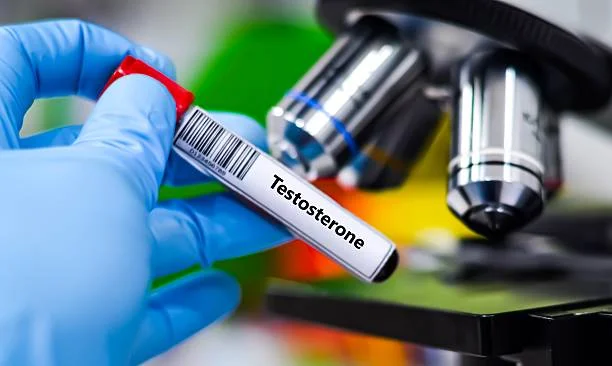
Testosterone is often described as the fuel that drives the male body. While it is classified as a male sex hormone, its influence extends far beyond reproduction and libido. It plays a critical role in building muscle mass, maintaining bone density, regulating mood, and even supporting cognitive function. For women, though present in smaller amounts, testosterone is also vital for ovarian function, bone strength, and overall well-being.
However, as the body ages, this vital hormone naturally declines. For many, this decline is gradual and manageable. For others, it plummets to levels that significantly impact quality of life, a condition clinically known as hypogonadism, or more commonly, Low T.
If you’re wondering how to treat low testosterone or how to treat low testosterone in males, this guide provides answers. In recent years, the conversation around Low T has exploded, moving from whispered concerns in a doctor’s office to a mainstream health topic. This guide aims to cut through the noise, providing a deep dive into the symptoms, causes, and modern treatment options for low testosterone, helping you navigate the path back to vitality.
Symptoms of Low Testosterone
Low testosterone does not present itself with a single, obvious symptom. Instead, it manifests as a collection of changes that often creep up so slowly that they are mistaken for normal aging or just “having a bad year.” Medically, a diagnosis requires both the presence of specific symptoms and blood work showing low serum testosterone levels. Understanding the multifaceted symptoms is the first step toward recovery.
Physical Symptoms
The physical changes are often the most noticeable. Men may experience a significant increase in body fat, particularly around the abdomen, coupled with a frustrating loss of muscle mass and strength. This is often accompanied by a decrease in physical endurance; tasks that were once easy become exhausting.
One of the hallmark physical signs is decreased bone density, which can lead to osteopenia or osteoporosis, making bones more fragile and prone to fractures. Many also report hot flashes, excessive sweating, and fatigue that doesn’t improve with sleep. Sleep disturbances themselves are common, creating a vicious cycle where poor sleep lowers testosterone, and low testosterone makes it harder to get restorative sleep.
Sexual and Reproductive Symptoms
This is the category most people associate with Low T. It includes a reduced sex drive (libido), erectile dysfunction (ED), and a noticeable decrease in the frequency of spontaneous erections, such as nocturnal or morning erections. Furthermore, low testosterone can lead to infertility due to reduced sperm production. It’s important to note, however, that erectile dysfunction can also be caused by vascular issues, nerve damage, or psychological factors, which is why a comprehensive medical check-up is essential.
Cognitive and Emotional Symptoms
The psychological impact of Low T is often underappreciated. Many men report “brain fog” — a feeling of mental fatigue, difficulty concentrating, and short-term memory lapses. This is frequently accompanied by profound mood swings, increased irritability, and symptoms that mimic depression, such as persistent sadness, low self-esteem, and a lack of motivation. The line between clinical depression and the psychological effects of hormone imbalance can be blurry, and often, treating the underlying hormonal issue can alleviate these mental health burdens.
The Diagnosis: More Than Just a Number
If the symptoms described above resonate, the next step is a proper diagnosis. This is not as simple as a single finger-prick test. Diagnosing Low T requires a thorough clinical evaluation and specific blood work, typically conducted in the morning when testosterone levels are at their peak.
The primary blood markers include:
- Total Testosterone. This measures the overall amount of testosterone in the blood, both bound and unbound.
- Free Testosterone. This is arguably the more critical number. It measures free testosterone, not testosterone bound to proteins (such as SHBG), and is readily available to the body’s tissues. It’s possible to have “normal” total testosterone but low free testosterone, which still results in symptoms. Understanding how to treat low free testosterone requires addressing both total production and binding proteins.
- Sex Hormone-Binding Globulin (SHBG). This protein binds to testosterone, rendering it inactive. High SHBG levels can artificially lower free testosterone.
- Luteinizing Hormone (LH) and Follicle-Stimulating Hormone (FSH). These pituitary hormones tell the testes to produce testosterone and sperm. They help determine whether the problem lies in the testes (primary hypogonadism) or the pituitary/hypothalamus (secondary hypogonadism).
- Estradiol. Testosterone converts to estrogen (estradiol) in the body. Keeping this in balance is crucial to avoiding side effects during treatment.
Most medical guidelines consider total testosterone levels below 300 ng/dL to be low, though some practitioners treat symptomatic patients with levels between 350–400 ng/dL.
Unpacking the Root Causes
Low testosterone is rarely a random event. It is usually the end result of specific physiological or lifestyle factors. Understanding the “why” behind the low numbers is essential for choosing the right treatment.
Primary Hypogonadism originates in the testicles themselves. Causes include physical injury to the testicles, infections like mumps orchitis, undescended testicles at birth, or genetic conditions such as Klinefelter syndrome. Cancer treatments like chemotherapy or radiation can also damage the testes’ ability to produce testosterone.
Secondary Hypogonadism is far more common and indicates a problem in the pituitary gland or hypothalamus — the brain centers that signal the testes to work. Common culprits here include:
- Obesity. Fat cells convert testosterone into estrogen, creating a feedback loop that suppresses natural testosterone production.
- Stress. Chronic stress elevates cortisol, a hormone that directly inhibits testosterone production.
- Poor Sleep. Sleeping less than 5–6 hours a night can significantly reduce testosterone levels.
- Medications. Opioids and high-dose glucocorticoids are notorious for suppressing testosterone.
- Pituitary Disorders. Tumors or other conditions affecting the pituitary gland.
Modern Treatment Strategies: Finding the Right Path
Once the diagnosis is confirmed and the potential causes are identified, a treatment plan can be formulated. Low testosterone treatment options vary widely depending on individual needs. The “one-size-fits-all” approach does not work for hormone health. Treatment must be tailored to the individual’s goals, whether that is symptom relief, fertility preservation, or simply improving body composition. The testosterone treatment men receive today is more advanced than ever, offering multiple pathways to recovery.
Lifestyle Modification: The Foundational Step
Before any medication is considered, lifestyle factors must be addressed. This is the cornerstone of any effective treatment. Resistance training, such as lifting weights, is one of the most potent natural stimulators of testosterone. Nutritional adjustments to ensure adequate intake of zinc, magnesium, and vitamin D are critical. Optimizing sleep hygiene to achieve 7–9 hours of quality rest and implementing stress-reduction techniques like meditation can, by themselves, bring borderline cases back into a normal range without medical intervention. For some, these remedies for low testosterone are sufficient to restore balance.
Testosterone Replacement Therapy (TRT)
TRT is the most well-known treatment. It involves supplementing the body with exogenous testosterone via injections, gels, patches, or pellets. When considering how to treat testosterone deficiency with external hormones, TRT is often the first option discussed.
- Pros — It is highly effective at relieving the symptoms of Low T, improving energy, libido, muscle mass, and mood.
- Cons — Because the body senses it has enough testosterone from an external source, it stops producing its own. This leads to testicular atrophy (shrinkage) and, most importantly, infertility. Exogenous testosterone shuts down sperm production, making it a poor choice for men who wish to father children in the future. It can also cause erythrocytosis (elevated red blood cell count) and requires careful monitoring of estradiol levels.
Selective Estrogen Receptor Modulator (SERM) Monotherapy
For men seeking to raise their testosterone levels without introducing external hormones and while preserving fertility, SERM therapy offers a compelling alternative. This approach is particularly effective for those diagnosed with secondary hypogonadism. If you’re asking “how do I fix low testosterone” without compromising fertility, this may be the answer.
SERMs work by blocking estrogen receptors in the pituitary gland. In the male body, testosterone is constantly being converted to estrogen. When the pituitary detects this estrogen, it slows down the production of Luteinizing Hormone (LH). By blocking the estrogen receptor, the pituitary is “tricked” into thinking there is no estrogen in the blood. In response, it pumps out more LH. This increase in LH then signals the testicles to work harder and produce more of their own natural testosterone.
One of the most modern and well-regarded SERMs used for this purpose is Enclomiphene. Unlike its predecessor, clomiphene citrate (which contains two isomers), Enclomiphene is the pure, active isomer that stimulates the pituitary, often with fewer side effects. This therapy essentially restarts the body’s own engine, raising testosterone levels while maintaining — and even improving — sperm production. It offers a path to treating Low T that aligns with the body’s natural physiology rather than replacing it.
For patients in Europe seeking high-quality Enclomiphene, it is crucial to source the medication from verified, reputable suppliers that adhere to strict pharmaceutical standards. One such source, known for its quality control and reliability in Europe, where you can buy Enclomiphene is Driada Medical. Always consult a qualified healthcare professional before starting treatment. Finding the best way to treat low testosterone’s always begins with professional medical advice.
HCG and Other Adjuncts
Human Chorionic Gonadotropin (HCG) is another medication used to stimulate the testicles. It is an injectable drug that mimics LH, directly telling the testes to produce testosterone’s. It is often used in conjunction with TRT to maintain fertility and testicular size, or as a standalone therapy. These additional low-testosterone’s treatment approaches provide flexibility for personalized care.
Conclusion: A Personalized Journey to Wellness
Treating low testosterone is not about chasing a number on a lab report; it is about restoring quality of life. The journey begins with recognizing the symptoms and seeking a proper diagnosis to understand the root cause. Whether the path forward involves lifestyle changes, testosterone replacement therapy, or innovative approaches like SERM monotherapy with compounds such as Enclomiphene, the goal remains the same: to restore vitality, protect long-term health, and reclaim the drive to live life to the fullest.
Low testosterone’s level treatment options continue to evolve, offering hope and solutions for those affected by this condition. Remember, when exploring how to treat testosterone issues, working with a qualified healthcare provider ensures the safest and most effective outcome.