Have you ever wished for a perfect smile without the hassle of traditional braces? Many people shy away from orthodontic treatment due to discomfort or appearance concerns.
Invisalign offers a modern solution that is both discreet and effective. With clear aligners, teeth can be moved gradually without noticeable metal brackets. This technology combines comfort, convenience, and predictable results.
Understanding Invisalign is essential before deciding if it’s the right choice. By reading this post, you will gain crucial insights to achieve a confident, healthy smile. Read on!
What is Invisalign?
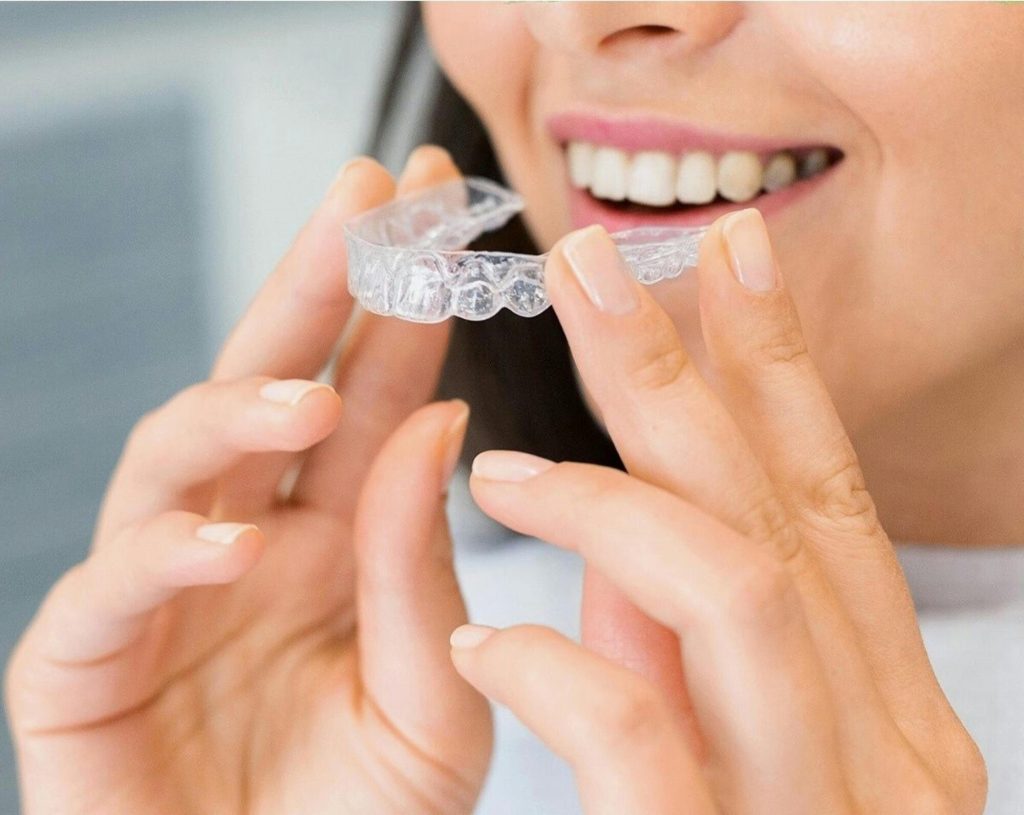
Invisalign is a contemporary orthodontic solution that straightens teeth using clear, removable aligners. Unlike traditional braces, it relies on no metal brackets or wires, making it a discreet option. Each aligner is custom-made to fit your teeth and gradually shifts them into proper alignment over time.
The treatment plan is digitally designed, allowing patients to see their progress before even starting. Aligners are replaced every one to two weeks, ensuring consistent movement. Because they are removable, it’s easier to maintain oral hygiene compared to conventional braces.
Many patients choose Invisalign for its combination of convenience and subtle appearance. It can treat a variety of dental concerns, ranging from minor crowding to spacing issues. When worn as directed, Invisalign can deliver results similar to those of traditional braces.
How Invisalign Works
For Invisalign to work, it gently presses on your teeth to move them into the right place. Each set of aligners is a little different, and they move teeth slowly according to the treatment plan. Dental professionals carefully watch the process to make sure it works.
The aligners are worn for 20-22 hours a day for optimal results. Removing them only during meals or oral hygiene routines ensures consistent progress. Over time, teeth shift safely into their new positions without discomfort.
Advanced 3D imaging technology is used to design the aligners, providing a precise fit. This digital approach allows for predictable results and a visual preview of the treatment outcome. Invisalign integrates innovation with practical orthodontic care.
Benefits of Invisalign
One of the biggest benefits of Invisalign is the discreet appearance. Clear aligners make it possible to straighten teeth invisibly, which is ideal for adults and teens who prefer a subtle solution.
Another advantage is comfort; the smooth plastic aligners reduce the risk of irritation often caused by traditional braces. They are also removable, allowing patients to eat their favorite foods without restriction.
Invisalign can also save time during dental visits because there are no wires to adjust. Regular check-ins are shorter and less frequent compared to conventional braces. Patients can maintain their normal routines without major disruption.
Suitable Candidates for Invisalign
Most teens and adults with mild to moderate orthodontic issues are good candidates for Invisalign. Severe bite problems may still require traditional braces or additional treatment.
A consultation with a dental professional is necessary to determine eligibility. They will evaluate the teeth, gums, and jaw structure to ensure Invisalign can produce the desired results.
Motivated patients who follow treatment instructions usually see the best outcomes. Commitment to wearing aligners consistently is critical for achieving a straight, healthy smile.
Duration of Treatment
How long treatment lasts depends on how bad the dental problem is. Getting Invisalign usually takes between 12 and 18 months.
Treatment may take longer for more complicated cases, but minor fixes can be made in less than a year. During the consultation, the dentist gives a detailed schedule to help you know what to expect.
Periodically, progress is checked to make sure that the aligners are really moving the teeth. If changes need to be made to stay on track, the plan can be changed.
Cost Considerations
The price of Invisalign depends on where you live and how complicated your treatment is. Like with traditional orthodontics, your insurance may cover some of the costs.
Some dental offices let you pay over time so that treatment is more affordable. You should talk about your financial options before you start the process.
You can improve both your smile and your oral health by getting Invisalign. When your teeth are in the right place, they are easier to clean, which lowers your risk of cavities and gum disease.
Comfort Compared to Braces
Many people find that Invisalign is more comfortable than metal braces because it doesn’t have any sharp edges. Most of the time, traditional braces make the mouth hurt or irritate, especially after adjustments.
Since aligners are made to order from smooth plastic, they fit very closely against the teeth. This keeps the soft tissues in your mouth from rubbing against each other and getting hurt.
Some people feel a little pain when they first put on their new aligners, but it usually goes away quickly. In general, patients say the experience was smoother and less painful than with traditional braces.
Oral Hygiene with Invisalign
With Invisalign, it’s easier to keep your teeth clean because the aligners can be taken out. You can brush and floss normally, which keeps plaque from building up around the brackets and wires.
Every day, you should clean your aligners with a soft toothbrush or a special cleaning solution. Not taking proper care of something can cause stains, bad smells, or bacteria to grow.
To keep an eye on oral health during treatment, it’s important to get regular checkups with the dentist. Taking care of your teeth and gums will help you get the best results and avoid problems.
Eating and Drinking Tips
When you eat or drink something other than water, you should take out your Invisalign aligners. This keeps the clear plastic from getting damaged or stained.
If you leave sticky, hard, or sweet foods between your teeth and your aligners, they can damage them. Eating a balanced diet can help your teeth stay healthy while you’re getting treatment.
To keep food from getting stuck and causing decay, teeth should be brushed after meals and before putting in aligners again. By doing these easy things, you can protect your teeth and the aligners.
Travel and Lifestyle Flexibility
People who are busy or who travel a lot can use Invisalign because it is flexible. Aligners come in a small case that you can take with you and wear anywhere.
There are fewer and shorter appointments, which is good for people with busy lives. This gives patients the freedom to keep up with their treatment without having to change their routines.
Clear aligners are also good for social or professional settings since they are almost impossible to see. Patients can talk to each other without worrying about how their smile looks.
Common Misconceptions
People often think that Invisalign can’t fix serious dental problems. In reality, it can help with a lot of problems, though people with serious problems may need more help.
Some people think the aligners are universal, but each set is made specifically for the person who will be using them. This makes sure that the treatment fits well, is comfortable, and works well.
Another myth is that the treatment doesn’t hurt at all. However, as the teeth move gradually, some pain is normal. With the right care and attention, these changes are usually manageable.
Importance of Consistency
For success, you must wear your aligners every day. Skipping hours or not sticking to the plan can slow down or ruin progress.
It is suggested to wear it every day for 20 to 22 hours to make sure the teeth move as planned. To get the best results, patients should use aligners as if they were part of their daily routine.
Keeping track of progress and doing what the dentist says keeps treatment on track. Getting into the right habits will lead to a change that you can count on and enjoy.
Invisalign vs. Traditional Braces
Invisalign is an alternative to traditional metal braces that is clear and can be removed. In very complicated cases, braces may be necessary, but they usually need more care and adjustments.
A lot of people like Invisalign because it lets them keep their natural look while they’re getting treatment. Another benefit over traditional braces is that they are more comfortable and easier to use.
Both options can work very well if they are supervised properly. Which one to choose depends on your personal tastes, how you live, and your dental needs.
Maintaining Results Post-Treatment
When you’re done with Invisalign treatment, you have to wear a retainer to keep your new teeth in place. If you don’t wear your retainers regularly, your teeth may move backward.
During the follow-up appointments, the dentist can fix any small changes that may have happened. This keeps the results stable. A confident, healthy smile is an investment that can be kept up with regular care.
Even after treatment, it’s still important to take care of your teeth and go to the dentist regularly. If the person who gets Invisalign takes care of their teeth for the rest of their lives, the benefits will last for many years.
Key Insights About Invisalign and How It Straightens Teeth
Modern, comfortable, flexible, and effective, Invisalign is a way to straighten your teeth without anyone knowing. People who want to improve their smiles can choose this treatment with confidence if they know how it works, what the benefits are, and how to take care of it. It works for many adults and teens who want an alternative to braces that is discreet and easy to use.
Long-lasting results need regular use, good oral hygiene, and follow-up. For healthy, confident smiles, Invisalign combines new technology with useful dental care.
Did you like this guide? Great! Please browse our website for more!