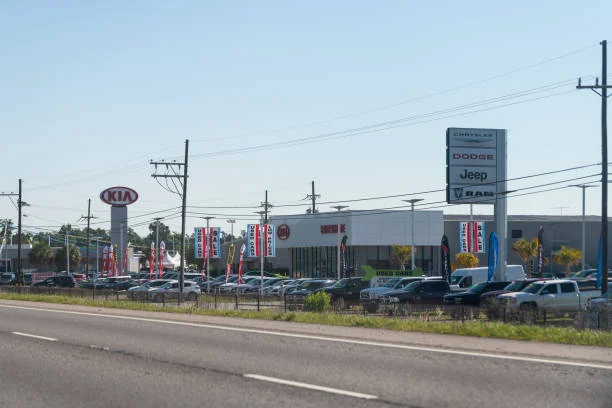
Upgrading your vehicle doesn’t have to be complicated — especially when you understand how trade‑in and upgrade options work at a car dealer in Louisiana. Whether you’re planning to get a newer model, need a bigger vehicle for your family, or simply want better features and technology, trade‑in programs give car owners a flexible way to make their next move. This guide will walk you through how trade‑ins work, what benefits you can expect, what to consider before upgrading, and how to make the most of your visit to a dealership in Louisiana.
Understanding Vehicle Trade‑Ins
A trade‑in happens when you hand over your current vehicle to a dealership as part of the purchase of a new or used car. Instead of selling your old car privately, you let the dealer assess its value and apply that amount toward the price of your next vehicle.
Trade‑ins are valuable because they simplify the selling process and reduce the amount you owe on your next car. Dealerships accept trade‑ins because they can inspect, recondition, and resell vehicles on their lots — giving them more inventory and giving you a convenient option to upgrade.
When you bring your car to a dealership, the sales team typically performs an appraisal based on factors like age, mileage, condition, market demand, and vehicle history. Understanding how those factors affect value helps you negotiate and plan your next purchase.
How Appraisals Are Determined
Before agreeing to a trade‑in, a dealer will thoroughly inspect your vehicle. Here’s what they focus on:
Mileage: Lower mileage often means less wear and tear and higher resale value.
Condition: Exterior and interior condition, mechanical state, and fluid levels play major roles in an appraisal.
Vehicle History: Cars with clean titles and regular maintenance history usually command higher trade‑in values.
Market Demand: Popular models or vehicles in high demand often appraise higher.
A dealership may also consider whether your car has aftermarket parts, recent upgrades, or cosmetic issues that could affect resale. It’s a good idea to clean your car, fix minor issues, and bring maintenance records to the dealership to make a strong first impression and potentially improve your trade‑in offer.
Benefits of Trading In at a Dealership
Trading in your vehicle at a dealership comes with several advantages:
Convenience: You don’t have to advertise your car, host strangers for test drives, or handle private negotiations.
Instant Equity: The dealer applies your trade‑in value directly to your next purchase. This can reduce your down payment or overall financing balance.
Fewer Transactions: Instead of selling your car and then buying another, you combine both steps in one visit.
Negotiation Flexibility: Trade‑in value and purchase price can sometimes be negotiated separately, giving you room to find the best deal.
Tax Savings: In many states (including Louisiana), you only pay sales tax on the difference between the new vehicle price and your trade‑in value — saving you money at the register.
When It Makes Sense to Trade In
Not every situation calls for a trade‑in. Here are scenarios where trading in is a smart move:
Upgrading for Safety or Space: Growing families or lifestyle changes might require more seating, towing capability, or cargo room.
High Repair Costs: If your current car needs expensive repairs, trading it in might be more cost‑effective than fixing it.
Desire for Latest Features: Newer models often have advanced safety tech, better fuel efficiency, and updated entertainment systems.
Lease End: When a lease ends, dealers often offer trade‑in or lease‑turn‑in options that make upgrading smoother.
Before you decide, compare the expected value you’d get selling privately versus the dealership’s trade‑in offer. Private sales can sometimes yield more money, but they require more effort and time.
How to Prepare Your Car for Trade‑In
A little preparation can go a long way when you’re hoping for a strong trade‑in value.
Clean Thoroughly: A detailed wash and vacuum make your car look well cared for, which can influence the appraisal.
Fix Minor Issues: Small repairs like replacing wiper blades, fixing lights, or touching up dents may improve value more than the cost to fix them.
Bring Documentation: Maintenance records, warranty information, and receipts for recent repairs show the car was properly serviced.
Know Your Car’s Value: Use online tools like Kelley Blue Book or Edmunds to estimate trade‑in values before visiting the dealership.
Being informed gives you confidence during negotiation, and it shows the dealer you’ve done your homework.
Trade‑In Negotiation Tips
Negotiating a trade‑in doesn’t have to be intimidating. Here are techniques that can help:
Separate Transactions: It’s often easier to negotiate the purchase price of your next car first, then discuss trade‑in value. This prevents dealer offers from blending the two in ways that hide real value.
Stay Realistic: Be aware of market values and typical condition classifications (excellent, good, fair, poor). Overpricing your vehicle can lead to frustration.
Ask Questions: If the dealer lowers the offer, ask which factors are subtracting value. Sometimes just understanding the reason can lead to meaningful adjustments.
Get Multiple Offers: Some dealerships compete for trade‑ins. Visiting another dealer can give you leverage to ask for a better deal.
Negotiation is a skill, but transparency, preparation, and reasonable expectations go a long way.
Financing and Trade‑Ins
Your trade‑in value directly affects how you finance your next car. Here’s how:
Down Payment Boost: A higher trade‑in value might let you avoid a large cash down payment while still keeping monthly payments reasonable.
Loan Balance Reduction: Applying trade‑in value to your loan reduces the overall amount you finance, lowering interest costs over time.
Equity Considerations: Sometimes, you may owe more on the car than it’s worth (a situation known as negative equity). Dealers might offer ways to roll that balance into your new purchase, but be cautious — this increases your new loan amount.
When financing, always ask for a clear breakdown showing how your trade‑in value, down payment, taxes, and interest affect your monthly payment and total cost.
Upgrading to a Newer Model
Once your trade‑in is set, it’s time to explore upgrade options. Whether you want something newer, larger, more efficient, or cooler equipment‑wise, dealerships offer a range of vehicles that fit different priorities.
New Vehicles: The latest models typically come with advanced safety features, warranty coverage, and improved fuel economy. They may also offer special financing rates or manufacturer incentives.
Certified Pre‑Owned (CPO): For families that want peace of mind without paying full new‑car prices, CPO programs include inspection, extended warranties, and manufacturer backing.
Used Cars: If budget and value are your top concerns, quality used vehicles often provide strong reliability and lower depreciation.
Features to Consider When Upgrading
Choosing your new vehicle involves thinking about the features your family needs most:
Safety Technology: Look for adaptive cruise control, collision prevention systems, lane‑keep assist, and blind‑spot monitoring.
Fuel Economy: Especially with rising gas prices, a more efficient vehicle could save hundreds or thousands over ownership.
Comfort and Space: Larger cabins, cargo space, and flexible seating options matter for road trips and daily use.
Infotainment and Connectivity: Modern systems with Apple CarPlay, Android Auto, rear‑seat entertainment, and multiple charging ports make journeys more enjoyable.
Warranty Coverage: New and CPO vehicles often include warranties that cover major repairs — a significant benefit for long‑term peace of mind.
What to Expect During Your Dealership Visit
When you arrive at the dealership, expect a process that’s designed to help you find a great fit:
Greeting and Consultation: Sales professionals will ask about your needs, preferences, and budget to narrow down suitable vehicles.
Appraisal: Your current car will be inspected and evaluated for trade‑in value.
Test Drives: You’ll be invited to test drive vehicles that match your desired features and expectations.
Financing Discussion: The finance team explains available options, rates, and monthly cost projections.
Throughout your visit, don’t hesitate to ask questions, take notes, or request clarifications. A good dealership experience should feel informative and respectful.
Making the Final Decision
Choosing to trade in and upgrade is an important financial decision. Before you sign, double‑check:
Final Price Breakdown: Ensure you understand the total cost, taxes, fees, and interest.
Warranty and Service Plans: Know what’s covered and for how long.
Trade‑In Value Applied Correctly: Confirm that your trade‑in value is credited appropriately.
Monthly Payments vs. Total Cost: A low monthly payment may sound appealing, but ensure you’re not extending your loan longer than necessary.
Taking these extra steps helps protect your investment and gives you confidence in your purchase.
Conclusion
Trading in your current vehicle and upgrading to something that better suits your lifestyle is a rewarding experience when you know how to navigate the process. From understanding how appraisals work and preparing your car for a strong offer to exploring financing, negotiation strategies, and features worth prioritizing, the trade‑in experience can be both convenient and financially smart. At a reputable car dealer in Louisiana, you’ll find knowledgeable professionals who guide you through each step — making the journey toward your next vehicle smooth, transparent, and tailored to your family’s needs. Whether you’re seeking advanced safety tech, better fuel economy, or more space for passengers and cargo, trade‑in and upgrade options give you the flexibility to move forward with confidence.