Picture this. A logistics company loses a shipment worth $40,000 somewhere between Karachi and Istanbul. Cameras show nothing. The driver’s phone is switched off. But the asset is recovered within six hours — because it had a tracqueur attached underneath the cargo pallet.
That’s not a lucky story. That’s what this technology does every single day.
A tracqueur is a smart tracking system that monitors location, movement, and activity in real time, combining technologies like GPS, AI, IoT sensors, mobile networks, and cloud computing. The word itself isn’t complicated — it comes from the French verb traquer, meaning to track or pursue, with -eur being the French suffix for “one who does.” The double-c spelling is a stylized, tech-sector variation of the original French traqueur.
But the technology behind it? That’s where things get genuinely interesting.
What Exactly Does a Tracqueur Do — And Why Should You Care?
Most people assume tracking is just GPS. That’s like saying a smartphone is just a phone.
A tracqueur can monitor physical location, but it can also track digital behavior — user activity on websites, click paths, conversion data, and behavioral patterns across devices. This dual identity — hardware and software — is what separates tracqueur systems from your average consumer GPS tag.
Think of it like this: a basic GPS tracker is a compass. A tracqueur is the whole navigation system, including the traffic alerts, the ETA predictions, and the rerouting intelligence.
Unlike older systems that simply displayed location, modern tracqueur solutions analyze data, predict outcomes, and actively support decision-making. They don’t just tell you where something is. They tell you why it’s there, how long it’s been there, and what’s likely to happen next.
The Three Real-World Faces of Tracqueur Technology
1. Physical Asset Tracking
This is the most visible use. Individuals use tracqueur devices for cars, motorcycles, bikes, luggage, and even pets — and battery life in 2026 can now reach several months on a single charge.
Fleet operators, shipping companies, and insurance firms rely heavily on these systems. Professional-grade tracqueur hardware uses a combination of radio frequency (RF), cellular triangulation, and low-power wide-area networks like Sigfox — ensuring a signal even if an asset is hidden inside a subterranean parking garage or a lead-lined container.
That’s not marketing copy. That’s how stolen vehicles and high-value cargo get recovered when conventional GPS fails.
2. Digital Behavior Tracking
Here’s the version you interact with online, often without realizing it.
In digital marketing, a tracqueur might refer to a pixel, a tag, or an analytics script that monitors user behavior — pageviews, click paths, conversions, bounce rates. Tools like Google Analytics and Hotjar are, in essence, tracqueurs of digital activity.
Every time a website shows you a retargeted ad for shoes you looked at once, a tracqueur made that happen. It’s neither sinister nor magical — it’s data collection working as designed. Whether that’s a good thing depends entirely on who you ask.
3. Forensic and Law Enforcement Applications
In forensic contexts, tracqueur logs can be downloaded after recovery to show exactly where an asset was taken, how long it stayed at specific waypoints, and which routes were used — providing investigators a breadcrumb trail that often leads to organized theft networks, not just individual criminals.
As of 2026, the latest tracqueur systems include blockchain-verified and cryptographically hashed location logs, making the data legally defensible in court. That’s a significant leap from basic GPS records.
How a Modern Tracqueur System Actually Works
Here’s the technical picture broken down simply:
- Data collection layer — GPS satellites, Bluetooth beacons, Wi-Fi signals, cellular towers, and IoT sensors all feed real-time data into the device.
- Processing layer — On-device chips or cloud systems filter and interpret the raw data.
- AI analysis layer — Machine learning models flag anomalies, predict movement patterns, and trigger automated alerts.
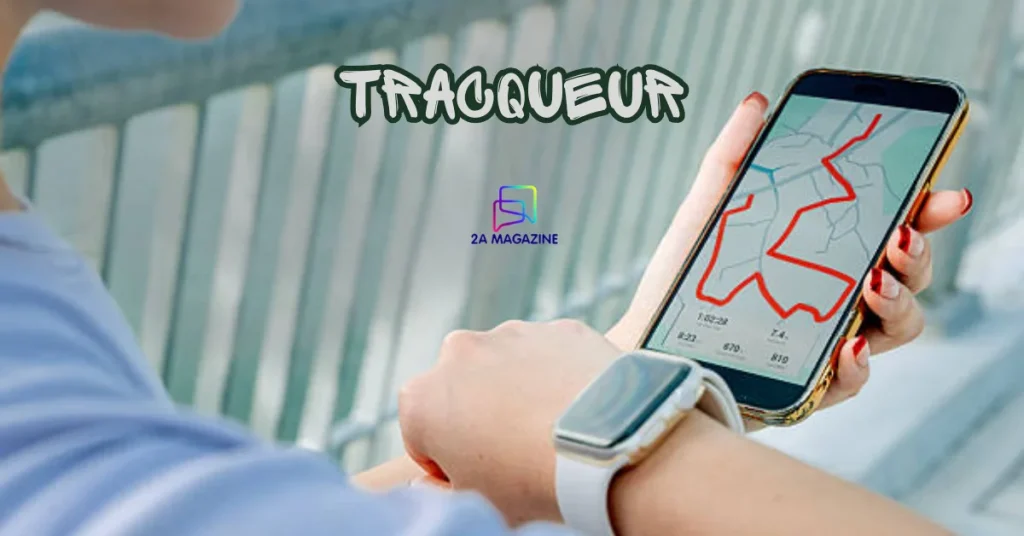
- Dashboard/app layer — The end user sees a clean visual interface with live maps, historical trails, and alert logs.
Key trends shaping this architecture in 2026 include predictive AI that anticipates failures or theft before they happen, and sensor fusion — the combination of GPS, Bluetooth, UWB, and accelerometers — for precise indoor tracking where satellites can’t reach.
Industry analysts at Gartner have consistently flagged real-time asset intelligence as one of the fastest-growing IoT segments, and tracqueur technology sits squarely at that intersection.
Who’s Actually Using Tracqueur Systems Right Now?
The honest answer: more people than you’d expect.
- Logistics and supply chain teams use tracqueurs to reduce cargo theft and verify delivery timelines.
- Parents attach small devices to school bags or cars for peace of mind.
- Digital marketers deploy tracking scripts to measure campaign ROI accurately.
- Insurance companies offer discounted premiums to clients who install approved tracqueur hardware on their vehicles.
- Healthcare providers use wearable tracqueur sensors to monitor patient movement and vital signs remotely.
According to recent industry reports, the global asset tracking market — which tracqueur systems are a central part of — is projected to cross $36 billion by 2027. That growth isn’t accidental. It reflects real adoption across sectors that have moved from manual oversight to automated monitoring.
“The shift we’re seeing isn’t just technological — it’s behavioral,” says Dr. Layla Mendes, a digital infrastructure researcher at the European Institute of Technology. “People and organizations are increasingly comfortable with continuous monitoring when there’s a clear, tangible benefit attached to it.”
The Privacy Problem Nobody Likes to Talk About
Let’s be straight here. Tracqueur technology is powerful, and power always has a flip side.
Despite its advantages, tracqueur technology raises real ethical concerns. Tracking personal data creates privacy issues, sensitive information can be compromised if systems aren’t secured properly, and some argue that constant monitoring erodes individual autonomy.
The line between protective tracking and surveillance is thin — and not always clearly marked. In the EU, GDPR regulations already impose strict rules on how tracqueur data can be collected and stored. Similar legislation is emerging across Asia and the Americas in 2026.
If you’re deploying a tracqueur system professionally, consent and data governance aren’t optional extras. They’re legal requirements.
What’s Coming Next for Tracqueur Technology
The next phase is already in development. Expect:
- AI-powered anomaly detection — systems that alert you to unusual movement before a theft is confirmed
- Integration with smart home ecosystems — your tracqueur talking directly to your alarm system
- Wearable health tracqueurs — devices that track location and biometrics simultaneously
- Edge computing — processing happening on the device itself, not the cloud, for faster response and better privacy
Some devices already combine location tracking with health and activity monitoring simultaneously, and this convergence will only deepen in coming years.
The tracqueur of 2028 won’t just know where your asset is. It’ll know its temperature, its condition, who touched it last, and whether it’s behaving normally — all without a human checking in.
That’s either reassuring or slightly unsettling, depending on your perspective. Either way, it’s coming.
Conclusion
Tracqueur technology isn’t a buzzword or a niche product category. It’s the invisible infrastructure behind logistics networks, digital marketing pipelines, vehicle security systems, and personal safety tools you probably use already.
In 2026, the question isn’t whether tracqueur systems will become part of your personal or professional life. They almost certainly already are. The smarter question is whether you’re making deliberate choices about which ones, under what terms, and with what protections in place.
Understanding what a tracqueur actually does is the first step to using it well — and knowing when to push back.
FAQs
Q1. What does “tracqueur” mean?
Tracqueur is a stylized form of the French word traqueur, meaning tracker or one who pursues. In modern technology contexts, it refers to any device, system, or software designed to monitor location, movement, or behavioral data in real time.
Q2. Is a tracqueur the same as a GPS tracker?
Not exactly. A basic GPS tracker shows location. A tracqueur is a broader system that combines GPS with AI analysis, sensor data, cloud processing, and automated alerts. It’s more intelligent and multi-functional than a simple GPS unit.
Q3. Can a tracqueur work indoors?
Yes. Modern tracqueur systems use Bluetooth, Wi-Fi positioning, UWB (Ultra-Wideband), and cellular triangulation to maintain tracking even where satellite signals can’t reach — like inside warehouses, parking garages, or large buildings.
Q4. Is tracqueur technology legal?
Generally yes, within defined limits. Tracking your own assets, vehicles, or consented employees is legal in most jurisdictions. Tracking individuals without their knowledge or consent is illegal in most countries and subject to serious penalties under privacy legislation.
Q5. How long does a tracqueur device’s battery last?
It depends on the device and how often it pings. In 2026, consumer-grade tracqueur hardware can run for anywhere from two weeks to several months on a single charge, depending on tracking frequency settings and network type used.