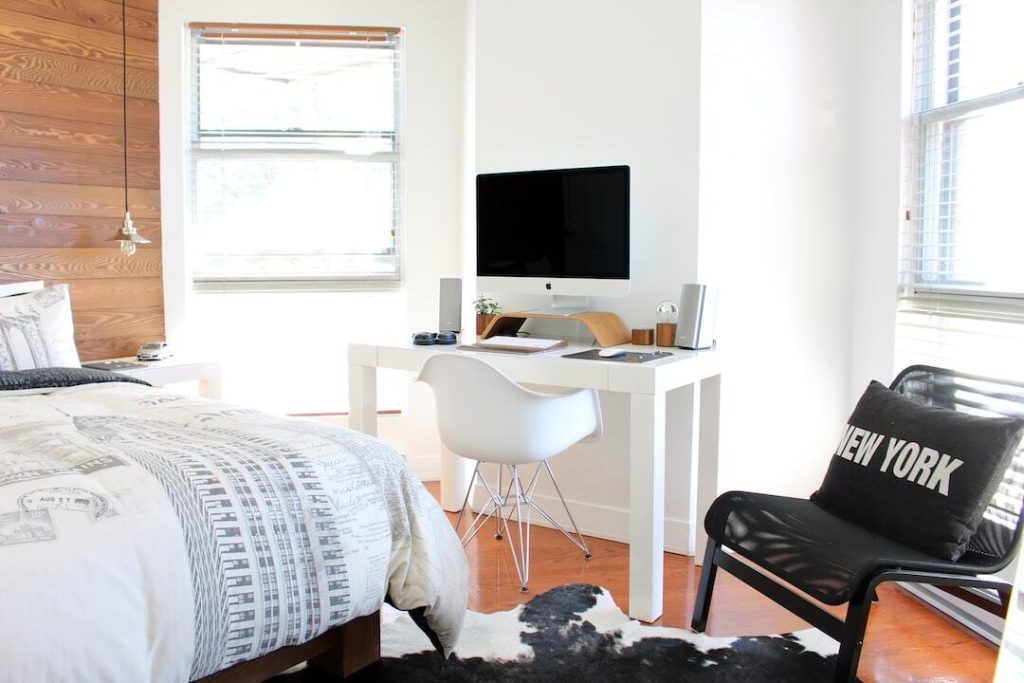
Choosing where to live during college is an important decision. Housing affects not only daily comfort but also finances, study habits, and personal growth. While many students start in dormitories, off-campus living is a popular option as students move further into their college journey.
It offers flexibility, independence, and real-world experience that can be highly valuable. Read on.
Greater Independence and Personal Growth
Living off campus helps students become more independent. Instead of relying on residence hall rules and staff, students take responsibility for their own space and schedule. They learn how to:
- manage rent payments
- pay utility bills
- buy groceries
- handle basic household tasks
These experiences help students develop important life skills. Over time, they gain confidence in decision-making and problem-solving. This independence often leads to personal growth and better preparation for adult life after college. Check out TTU student housing to learn more.
More Affordable Housing Options
One major reason students choose off-campus housing is cost savings. Sharing an apartment or house with roommates can be more affordable than paying for on-campus housing and meal plans. Off-campus living allows students to control their expenses by choosing housing that fits their budget.
Students can save money by cooking meals at home, splitting utility bills, and selecting housing with only the features they need. With smart budgeting, off-campus living can significantly reduce overall college eyyxpenses.
Increased Privacy and Comfort
Off-campus housing usually offers more privacy than dorm living. Students often have their own bedrooms and enjoy quieter surroundings. There are fewer rules about guests, noise, and daily routines, which can make living more comfortable.
Having personal space helps students:
- relax
- recharge
- focus
A comfortable environment can reduce stress and improve overall well-being during busy academic periods.
Flexible Living Arrangements
Off-campus housing provides flexibility that dorms often do not. Students can choose from different:
- lease lengths
- housing types
- locations
Whether they prefer living close to campus or in a quieter neighborhood, there are many options available. Students also have the freedom to choose their roommates. Living with friends or people who share similar habits can create a more positive and supportive living experience.
Stronger Community Connections
Living off campus allows students to experience life beyond the college campus. They interact with local residents, shop at nearby businesses, and become part of the surrounding community.
This exposure helps students develop social skills and gain a broader perspective. Being involved in the local community can also help students feel more settled and connected, especially during longer academic programs.
Improved Study-Life Balance
Off-campus housing often provides a calmer environment than busy residence halls. Students can design their living space to support both studying and relaxation. Fewer distractions can lead to:
- better focus
- improved sleep
- healthier routines
A balanced living environment supports academic success and mental well-being, helping students perform better both inside and outside the classroom.
Preparation for Life After College
Perhaps the greatest benefit of off-campus living is how well it prepares students for life after graduation. Managing rent, utilities, and daily responsibilities mirrors real-world living.
These experiences make the transition into full independence smoother and less stressful. Students graduate not only with academic knowledge but also with practical skills that support long-term success.
Start Your Off-Campus Journey Today
In summary, off-campus living offers college students independence, affordability, comfort, and valuable life experiences. For many students, it is a smart and rewarding choice during their college years.
If you want to read more articles, visit our blog.