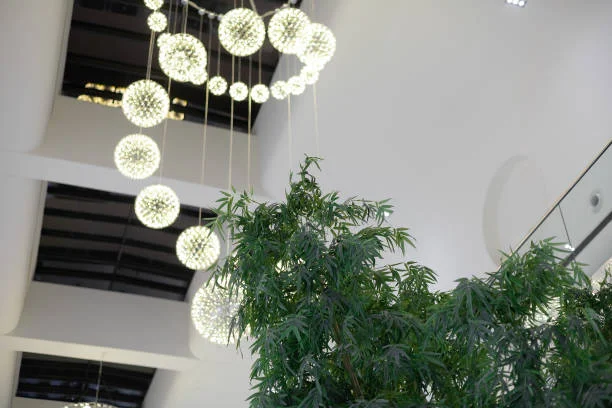
Under the Singapore Green Plan 2030, the city-state is rapidly transforming into a pioneering “City in Nature”. This ambitious vision extends far beyond urban landscaping, deeply influencing how contemporary residential spaces are conceptualised and built for Biophilic lighting. As the Singapore Green Building Masterplan pushes toward its goal of having 80 per cent of buildings officially designated as green by 2030, interior architects are shifting away from stark, clinical aesthetics. In their place, a sophisticated movement known as “warm minimalism” has taken root. This approach prioritises tactile natural materials, earthy palettes, and living environments anchored to the natural world.
The Psychological Architecture of Natural Forms
High-end residential developments across the island are already demonstrating the profound impact of this shift. Properties like the 21-storey Park Nova luxury tower employ undulating floor plates and lush vertical gardens to create natural noise barriers. Developments such as Eden Singapore were architecturally designed around the scientific correlation between psychological well-being and the presence of nature in urban environments. Similarly, modern bespoke landed properties like the acclaimed Touching Eden House use advanced biophilic layouts to carve out verdant, restorative havens within the dense urban centre.
The motivation behind these architectural choices goes far beyond visual appeal. Incorporating natural shapes into interior design has a measurable impact on human well-being. According to research highlighted by the University of Central Arkansas, when spaces integrate biophilic design elements, stress levels are reduced, patients heal faster, and creativity is enhanced. Exposure to these environments has also been shown to lower heart rates and promote positive mental health. This deeper understanding of spatial psychology has led interior designers to treat every fixture, particularly lighting, as a critical component of sensory regulation of Biophilic lighting.
Emotional Illumination and Sculptural Minimalism
As we navigate the interior design landscape of 2026, the concept of “Emotional Lighting” has emerged as a dominant force in high-end Asian residences. This movement focuses heavily on how the warmth, shadow, and organic diffusion of illumination interact with a physical space to impact mental well-being. When seeking a striking chandelier in Singapore, homeowners and architects now prioritise fixtures that actively contribute to this calming, biophilic atmosphere. Lighting is no longer treated as a mere functional necessity or a final decorative afterthought. Instead, bespoke, sculptural lighting is positioned as a foundational architectural anchor.
Interior architects are increasingly favouring asymmetrical lines, organic silhouettes, and handcrafted artisan elements that directly mimic nature. Whether it is glass that ripples like a calm stream or metalwork shaped like flowing branches, these pieces serve as functional art. Designers deliberately choose daytime sculptures that command attention even when the lights are turned off. These nature-inspired statement pieces gracefully define distinct functional zones in space-conscious urban environments, eliminating the need for rigid physical partitions while maintaining an open, airy flow. Furthermore, the interplay of light and texture brings a dynamic, living quality to static rooms, elevating the sensory experience of the home Biophilic lighting.
Strategies for Integrating Organic Elements in Modern Homes
Bringing this level of biophilic integration into a contemporary residence requires a thoughtful balance between architecture and artisan craftsmanship. Designers rely on several key strategies to blur the lines between the built environment and the natural world in high-end property renovations and new builds across the region. These strategies require close collaboration between architects, lighting consultants, and landscape designers to ensure a cohesive spatial experience.
- Softening Structural Volumes: Designers are incorporating architectural arches, curved spatial profiles, and vertical greenery to break up rigid concrete volumes, promoting a more organic spatial flow throughout the home.
- Prioritising Tactile Materials: Moving away from highly processed synthetic finishes, there is a renewed focus on raw, handcrafted materials that provide texture and patina beautifully over time.
- Treating Fixtures as Daytime Art: Selecting oversized, nature-inspired lighting ensures that the living space retains its organic aesthetic and visual interest during daylight hours.
- Harnessing Shadow Play: Using lighting designs that cast intricate shadows, mimicking dappled sunlight filtering through tree branches, creates a soothing atmosphere that shifts naturally as the day progresses.
- Establishing Functional Zones: Using large, sculptural elements to anchor seating or dining areas allows designers to segment open-plan luxury apartments without building walls.
Shaping the Future of Urban Living Environments
The intersection of biophilic design and luxury interior architecture represents a fundamental shift in how we experience our homes. As Singapore continues its impressive journey towards becoming a greener, more harmonious city, the integration of sculptural, nature-inspired elements will only become more essential. The built environment is evolving to recognise that true luxury is not just about expensive finishes, but rather about creating a holistic, healthy lifestyle that nurtures both the residents and the surrounding ecosystem or Biophilic lighting.
By embracing organic forms and emotional illumination, contemporary interior architects are crafting living spaces that do more than just house their residents. They are creating restorative sanctuaries that actively nourish the mind, body, and spirit. As this trend matures, we can expect to see even more innovative collaborations between bespoke lighting artisans and leading architectural firms, further cementing the city’s reputation as a global leader in sustainable, nature-forward urban design.
We built this 2A Magazine to thank you. Explore your custom insights today.