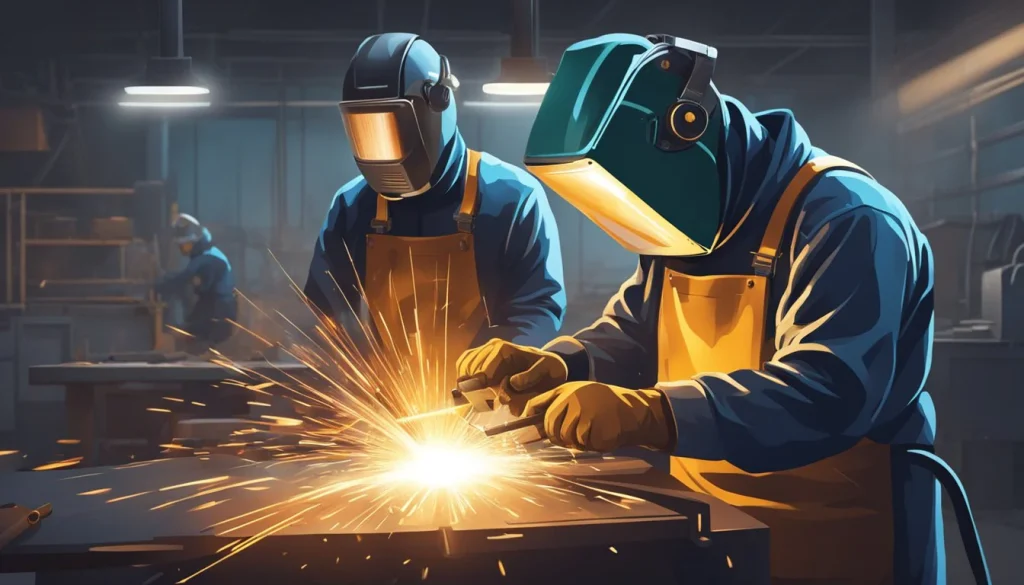
Metal fabrication is changing fast. Workshops now expect faster output, clean welds, and lower rework without raising costs. This demand has pushed welding tools toward multi-process capability and smarter controls. For many shops and home users, choosing the right mig welding machine or tig welding equipment is no longer only about power. It is about control, efficiency, and reliability.
What Is Multi-Process Welding?
Multi-process welding means one machine supports more than one welding method. Most units combine MIG, TIG, and Stick welding in a single power source. Some also include flux-cored welding.
Instead of buying and maintaining separate machines, users can switch processes based on the job.
Common Welding Modes Included
- MIG welding
- Uses a wire feed and shielding gas
- Known for speed and ease of use
- TIG welding
- Uses a tungsten electrode and filler rod
- Known for clean, precise welds
- Stick welding
- Uses coated electrodes
- Works well outdoors and on rusty metal
This flexibility is now a major reason buyers prefer modern welding systems.
Why Smart Controls Matter in Welding
Smart controls help welders set accurate parameters with less trial and error. These controls are not about automation replacing skill. They support consistent results and reduce mistakes.
Key Smart Features Found Today
- Digital displays with clear voltage and amperage readings
- Pre-set programs for common materials and thicknesses
- Memory functions for saving favorite settings
- Auto-adjust wire feed and voltage balance
- Overheat and overload protection systems
These features help both new and experienced welders maintain steady weld quality.
Benefits of Using a Modern MIG Welding Machine
A modern mig welding machine is often the first choice for production work and general fabrication. The process is fast, and learning time is short.
Main Benefits
- High welding speed for large projects
- Smooth arc with less spatter
- Easy setup and simple operation
- Works well on mild steel, stainless steel, and aluminum
- Compatible with smart control settings
MIG welding suits automotive repair, furniture fabrication, gates, frames, and many shop tasks.
You can review professional-grade options for a mig welding machine here.
Strengths of Modern TIG Welding Equipment
Tig welding equipment is known for accuracy and clean results. While it requires more skill than MIG, recent designs make it easier to manage.
Key Advantages
- Precise heat control for thin materials
- Clean weld beads with minimal finishing work
- Strong joints with excellent appearance
- Ideal for stainless steel, aluminum, and copper
- Works well with digital amperage control
TIG welding is widely used in aerospace, food equipment, piping, and custom fabrication. You can find professional tig welding equipment options here.
How Multi-Process Machines Improve Workflow
Workshops often handle different materials and joint types in a single day. Switching between machines wastes time and space.
Workflow Improvements
- One machine supports multiple job types
- Faster setup between tasks
- Lower equipment storage needs
- Reduced maintenance effort
- Better cost control over time
For small shops, this flexibility can mean taking on more varied projects without extra investment.
Challenges to Consider Before Buying
While multi-process and smart welding systems offer many advantages, they are not without challenges.
Common Issues
- Higher upfront cost compared to single-process units
- Learning curve for advanced settings
- Not all machines perform equally well in every mode
- Repairs may require trained service support
Buyers should match machine capability with real job needs. A compact shop may not need the highest amperage or every available feature.
Material Compatibility and Power Needs
Choosing the right machine depends heavily on material type and thickness.
Power Considerations
- Thin sheet metal needs stable low-amp control
- Thick steel requires higher output capacity
- Aluminum welding needs reliable arc stability
- Outdoor work benefits from stick welding support
Understanding these needs helps avoid underpowered or oversized purchases.
Safety Improvements in Modern Welding Machines
Safety remains a top concern in welding. New designs focus on protecting both the user and the equipment.
Built-In Safety Features
- Thermal overload shutdown
- Voltage fluctuation protection
- Fan-on-demand cooling systems
- Clear fault indicators on displays
- Stable arc start to reduce spatter
These features reduce downtime and help maintain safe working conditions.
Trends Shaping the Welding Equipment Market
Several trends are shaping buyer choices today.
Key Market Trends
- Growing demand for compact multi-process units
- Increased use of digital interfaces
- Focus on energy efficiency
- Better arc stability at lower power levels
- Rising interest from home workshops and small businesses
Manufacturers now design machines that serve both professional and serious personal use.
How to Choose the Right Welding Setup
Before buying, consider the following factors.
Buying Checklist
- Types of welding needed most often
- Material thickness and metal type
- Available power supply in the workspace
- Portability needs
- Budget for accessories and consumables
Making decisions based on real use cases helps avoid regret later.
Maintenance and Long-Term Use
Proper care keeps welding machines reliable.
Basic Maintenance Tips
- Keep vents clean and dust free
- Check cables and connectors regularly
- Store wire and electrodes properly
- Follow duty cycle limits
- Use correct consumables for each process
Regular maintenance protects performance and extends machine life.
Final Thoughts
Multi-process welding machines with smart controls are now a practical choice for many users. They offer flexibility, consistent results, and better use of workspace. A quality mig welding machine supports fast production work, while reliable tig welding equipment delivers precision where appearance and control matter most.