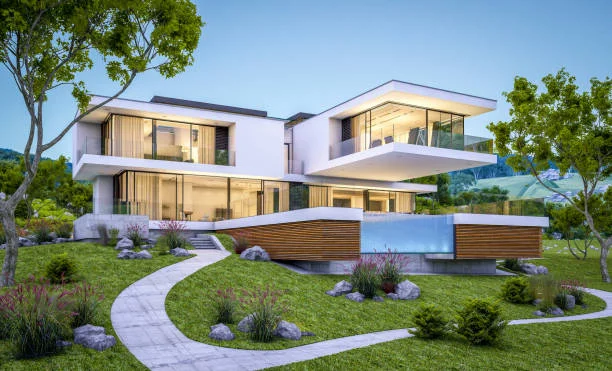
The modern home is no longer just a physical shelter. It is an active participant in our daily routines and overall mental wellbeing. As modern life becomes increasingly complex, Australians are seeking new ways to simplify their immediate environments. A significant part of this shift involves homeowners transforming living spaces with modern digital innovations that enhance convenience without compromising visual harmony. This pursuit of effortless living has given rise to frictionless design, a philosophy where high-end aesthetics and advanced technology blend perfectly in both interior spaces and outdoor gardens.
Whether stepping through the front gate or relaxing in the backyard garden, the ultimate goal is to remove every minor point of friction from the resident’s day. By integrating smart solutions like automated access control, families can secure their boundaries effortlessly, setting the tone for a completely streamlined living experience from the moment they arrive home. This subtle but impactful integration sets a new standard for modern properties.
The Psychological Impact of Invisible Technology
Frictionless design is built on the core idea that our living spaces should work for us intuitively and quietly. In the past, adding convenience often meant cluttering a home with visible wires, bulky control panels, and mismatched plastic devices. When a home is visually disorganised or cluttered with tech hardware, it can subtly elevate stress levels and contribute to a feeling of being overwhelmed. The visual noise of technology can detract from the restorative purpose of a living space. Conversely, when environments are beautifully streamlined, residents consistently report feeling more relaxed, grounded, and focused on their daily activities.
Today, the design focus is firmly on invisible technology that operates entirely in the background. The shift toward these hidden systems is supported by remarkable growth in the architectural and tech sectors. According to market data from Statista, smart home technology adoption is rapidly becoming standard, with household penetration in Australia projected to reach an impressive 82.1 percent in 2026 and exceed 92 percent by 2029. This rapid uptake highlights a collective desire for homes that anticipate needs and eliminate minor daily frustrations.
Redefining Boundaries with Seamless Systems
One of the most profound applications of frictionless design is seen at the very threshold of the property. The journey from the street to the front door should feel welcoming, rather than feeling like a rigid checkpoint. Traditionally, securing a residence meant compromising on exterior aesthetics with heavy metal gates, imposing locks, or visible wiring that completely disrupted beautiful landscaping. Modern architectural trends have completely flipped this outdated concept. Homeowners now expect their exterior spaces to reflect the same level of care and design sophistication as their interior living rooms.
Today, architects and landscape designers are prioritising systems that offer robust security while remaining virtually unseen. Implementing advanced entry systems has become a prime example of this invisible technology trend. Instead of fumbling for physical keys in the dark or dealing with unsightly mechanical keypads, residents can enjoy effortless entry through biometric scanners or encrypted smartphone integration. These modern systems can be seamlessly built into natural stone pillars, hidden behind sleek timber battens, or integrated into custom fencing, ensuring the garden’s visual appeal is never compromised by clunky hardware.
Core Principles of Frictionless Spaces
Creating a truly frictionless environment requires a holistic design approach that connects the indoors with the outdoors. By focusing on fluid transitions, homeowners can achieve a space that feels highly responsive yet deeply relaxing.
Consider these essential elements when designing a seamless living environment:
- Hidden climate and lighting sensors: Smart sensors can be flush-mounted into interior ceilings or hidden within garden retaining walls. They react quietly to natural light changes and temperature drops without the need for visible hardware, ensuring the atmosphere is always perfectly tuned.
- Automated entryways: Biometric and mobile-enabled locks allow for swift, secure movement through front gates and exterior doors. This completely removes the physical friction of traditional keys while maintaining a minimalist aesthetic at the front of the home. This transition sets a peaceful mood before anyone even steps inside.
- Integrated landscaping: Outdoor speakers, irrigation systems, and security features are now carefully designed to mimic natural rocks or blend seamlessly into garden foliage. The garden remains a natural sanctuary undisturbed by visible electronics.
- Centralised home management: Using a single, beautifully designed interface or a voice command system prevents the digital clutter of managing multiple overlapping applications for different household tasks.
The ongoing movement toward frictionless design represents a mature understanding of what makes a house truly feel like a home. By embracing technology that respects architectural beauty and natural garden layouts, Australians are creating environments that actively support their mental health and daily wellbeing. As these invisible systems become even more sophisticated over time, the line between robust functionality and peaceful aesthetics will continue to blur, offering a smarter and much calmer way to live.