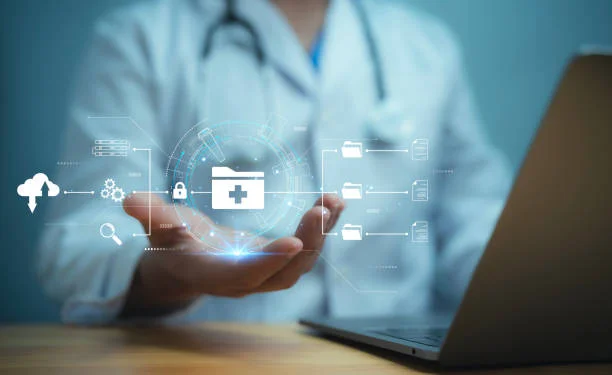
Managing personal health information is no longer solely the responsibility of healthcare providers. In today’s digital age, patients play a more active role in their care, starting with access to accurate, organized, and secure medical data. Paper records and outdated systems fall short of the growing need for convenience and clarity. The solution lies in electronic health records (EHR), which offer a streamlined way to store, access, and share health information between patients and providers. EHRs enhance care quality and support better decision-making. This article examines the importance of effectively managing personal health information and how electronic health records are transforming the process.
Understanding the Role of Electronic Health Records
Electronic health records are digital versions of a patient’s full medical history. Unlike traditional paper charts, EHR systems consolidate data into one secure, centralized location. These records may include:
- Diagnoses and treatment history
- Lab and imaging results
- Prescriptions and medication tracking
- Immunizations and allergies
- Clinical notes and progress updates
EHRs provide a complete view of a patient’s health, enabling healthcare professionals to deliver personalized, accurate, and coordinated care. This technology is the backbone of modern healthcare, ensuring everyone involved has access to real-time information.
Improving Accuracy and Reducing Medical Errors
One of the biggest challenges in healthcare is ensuring accurate and complete information. Handwritten notes can be difficult to read, critical history may be missing, and test results might not be shared between providers. Electronic health records (EHRs) or Personal health information help address these issues by storing data digitally, ensuring consistency, and making it accessible across departments and facilities. Many EHR systems also include alerts to flag potential drug interactions, allergies, or duplicate procedures. With accurate and comprehensive information, errors decrease, and patient safety improves.
Supporting Better Communication Between Patients and Providers
Clear communication is essential to good healthcare. Patients want to understand their conditions, review their test results, and participate in treatment decisions. EHRs support this by allowing secure access to personal health data through patient portals.
These platforms allow individuals to:
- View lab results
- Access medication lists
- Review visit summaries
- Message their care team
- Request prescription refills
This level of transparency builds trust and encourages collaboration between patients and healthcare providers. Empowering patients with access helps them become active participants in their care.
Making Information Available Anytime, Anywhere
In an emergency or when seeing a new specialist, quick access to health records is critical. Delays in obtaining a patient’s medical history can lead to poor clinical decisions or redundant tests. Electronic health records (EHRs) solve this by making information securely accessible from any location. Whether a patient is at home, in a clinic, or traveling, providers can retrieve their medical background in seconds. This immediate availability saves time, enhances care, and ensures continuity across different healthcare settings.
Keeping Health Information Secure and Private
Protecting personal health data is essential. Unlike paper records that can be lost, stolen, or damaged, electronic health records (EHRs) are safeguarded with encryption, password controls, and role-based access. This ensures only authorized personnel can view or edit specific parts of a patient’s chart. Access logs also track who viewed the data and when, adding accountability. Beyond security, digital systems support compliance with healthcare privacy and data protection regulations. Storing information in a secure digital environment makes maintaining confidentiality more efficient and reliable.
Enabling Long-Term Health Monitoring and Goal Setting
Electronic health records make it easier to monitor long-term health. Patients and providers can review trends in blood pressure, cholesterol, or glucose levels to spot problems early and adjust care plans. This clear, organized history also simplifies preventive care. Annual screenings, immunization reminders, and wellness goals can be tracked and documented for long-term health planning. By viewing these trends, one-time visits become part of a larger picture of overall wellness.
Conclusion
Managing health information should be simple, secure, and accessible. Electronic health records (EHRs) empower patients and providers to stay informed Personal health information, make smarter decisions, and achieve better health outcomes. By reducing errors, enhancing engagement, and protecting privacy, EHRs address modern healthcare challenges effectively. Adopting digital solutions enables individuals to take charge of their health while creating stronger, more connected care systems.
A deeper layer of insight is one click away—venture if you dare at 2A Magazine.