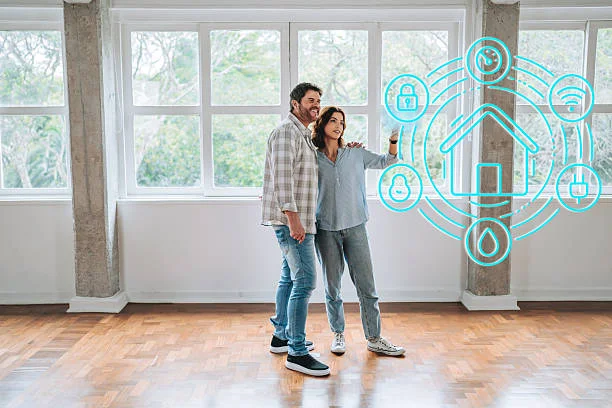
Modern homes are changing. They are becoming intelligent spaces that respond to the people who live in them. Architects and designers create layouts that balance beauty with function. Every fixture, panel, and material contributes to the final experience. As smart technology becomes central to daily life, the challenge grows. A home must look elegant while supporting advanced digital systems. The most effective way to achieve this balance is to plan the Ethernet cable wiring before the walls close Smart Home Wiring.
Designers know that the visual impact of a room affects the entire structure. They choose clean lines, calm palettes, and organized surfaces. Large screens, speakers, sensors, and automated lights can disrupt this harmony if the wiring is not planned early. A smart home works best when the technology is invisible.
Hidden Systems
Smart devices rely on a strong physical network. They appear wireless to the homeowner, but the support system behind the scenes is wired. This structure sits inside the walls. It connects rooms. It pairs devices with control centers. It supports entertainment systems and smart appliances. When this wiring is organized well, the home feels modern without exposing the infrastructure.
Planning the wiring early gives the design team full control. It allows installers to hide cables behind panels. It gives freedom to place equipment where it belongs. It prevents messy surfaces and exposed cords. It also avoids later reconstruction, which can damage finished interiors.
Explore this related story and uncover insights that make your journey smarter.
Before Drywall
The best moment to set up smart home wiring is before the drywall covers the frame. This stage gives complete visibility. Architects can see every path the cable takes. They can route wires around structural beams. They can protect them from heat sources. They can place conduits for future expansion. This step builds a long-term foundation for the home.
Structured wiring panels help organize the system. They keep cables grouped. They make routing clear. They help maintain a clean layout inside the walls. These panels sit in utility rooms, closets, or storage areas. They simplify upgrades. They also prevent the disorder that often appears in unplanned systems.
Cable Management
Cable management affects the appearance and performance of the home. Efficient routing keeps wires straight. It reduces bends that weaken the signal. It protects the cables from pressure within the walls. It also maintains ventilation for temperature control. Designers need these systems to support their vision. Clean routing helps the interior look intentional.
A smart home often includes multiple technologies. Security systems, audio setups, lighting controls, and climate systems connect through the same structure. Each of these elements benefits from proper management. Without it, the network becomes cluttered. This creates issues during maintenance or upgrades. It also increases the chance of signal interference.
Wireless Limits
Many homeowners assume that wireless is enough. It seems convenient. It reduces visible equipment. It works well for simple tasks. But high-end systems demand stability. A 4K home theater needs a fast and consistent signal. Multi-room audio systems require synchronized timing. Automation tools need an instant response. These systems struggle when they rely on wireless alone.
Wireless signals face interference from concrete walls, appliances, metal frames, and neighboring networks. They also lose strength over long distances. In a large home, this becomes a serious issue. A wired backbone solves these problems. It provides a clean and stable signal. It also supports higher bandwidth. This foundation makes the wireless features more reliable.
High Bandwidth
Cat6a offers high performance for demanding systems. It supports ten gigabit speeds across longer runs. This makes it ideal for home theaters, gaming rooms, and home offices. It also supports advanced control systems that handle automation. Cat6 plenum cable is suitable for general tasks throughout the home. It offers strong performance for everyday devices. Both types play a role in a well-planned smart home.
Following are the benefits that influence design and function:
- Stable performance for high-end entertainment
- Better response times for automation systems
- Clean integration behind walls
- Protection from interference (EMI) in large homes
- Support for future upgrades without major changes
These benefits help designers maintain a clean visual flow. They ensure that the home feels modern even as technology evolves.
Aesthetic Impact
Architecture and technology now share the same space. The lines between the two continue to blur. Homeowners look for environments that feel natural. They want beauty without sacrificing function. The key to this balance sits inside the walls. A well-wired structure supports minimalistic interiors. It allows designers to place screens flush with the surface. It keeps lighting controls sleek. It supports hidden speakers that blend with the ceiling.
A structured system also reduces the need for external equipment. It removes the clutter of adapters. It avoids extra boxes on the floor. It supports custom cabinetry without visible cables. This makes the home feel intentional and refined.
Future Needs
Smart homes are never static. New devices enter the market every year. Homeowners expand their systems. They install stronger routers. They add smart blinds. They include new entertainment tools. A wired backbone supports this growth. It avoids the need to open the walls again. It reduces installation time for new devices. It also helps the home remain relevant for a longer period.
Cat6a Ethernet cables offer additional value because they support the next generation of bandwidth (750 MHz). Homes that adopt it now will stay ready for future trends. This reduces long-term costs for homeowners and gives designers more freedom.
Conclusion
A smart home must combine beautiful design with reliable performance. The most effective way to achieve this balance is to plan the wiring before the drywall goes up. A clean system supports the interior. It hides the complexity of modern technology. It keeps the home elegant while making it intelligent.
For architects designing smart homes, sourcing high quality bulk Ethernet cables allow custom length runs that hide seamlessly behind modern interiors. If you want a system that stays strong for years, investing in proper cabling today will ensure that your vision remains intact and your technology works as intended.
Keep the curiosity alive—explore more articles packed with ideas and inspiration.