Introduction
Choosing the right flooring for your home is a crucial foundation for both style and comfort, as it significantly impacts daily life and property value. From providing warmth in bedrooms to withstanding heavy foot traffic in entryways, the right flooring can transform the function and appeal of your home. With expert advice and a wide selection of products, Silver State Flooring in Las Vegas helps homeowners make informed flooring decisions that enhance the beauty, functionality, and longevity of their spaces.
Given the variety of materials and styles available, finding your ideal floor requires a strategic approach. Understanding how factors such as durability, comfort, and aesthetics play into each room will help ensure you make a decision that truly fits your lifestyle and decor vision.
Assessing Your Needs
The first step in your flooring journey is to assess the unique requirements of each area in your home. High-traffic spaces, such as hallways or kitchens, require flooring that can withstand constant use without showing wear too quickly. Alternatively, rooms prone to moisture—such as bathrooms and basements—require materials that can withstand water and resist mildew. For sealing concrete floors in these areas or pool decks, epoxy coatings in Louisiana provide a waterproof and durable barrier. For relaxation zones, such as bedrooms and living rooms, softer surfaces add coziness and comfort for lounging, reading, or spending time with family. Before you fall in love with a particular look, consider the practical demands each space places on your floors.
Setting your priorities early on not only narrows your choices but also helps you balance needs versus wants within your design and budgetary constraints.
Explore this connected post for more insight that enriches your experience.
Popular Flooring Materials
Hardwood Flooring
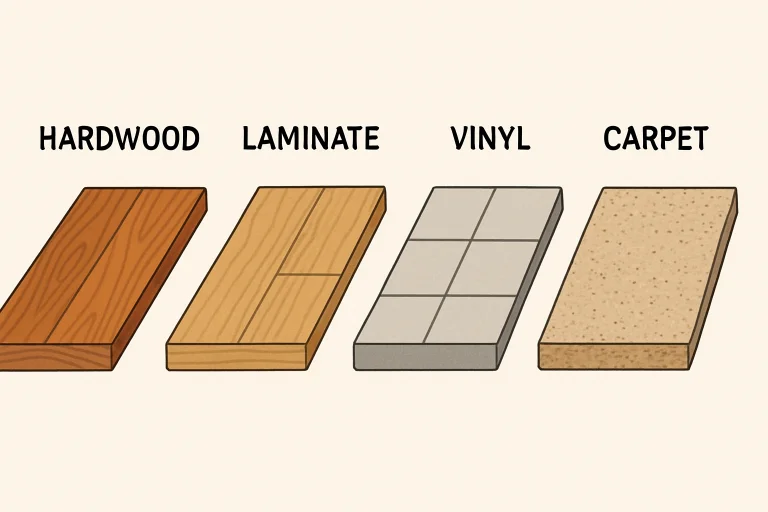
Hardwood flooring boasts a classic, timeless appeal that complements a wide range of interior styles. With the ability to be refinished multiple times, hardwood offers homeowners longevity and a high return on investment. Nonetheless, hardwood isn’t the right choice for humid or wet spaces, as it can warp or stain due to water exposure. Additionally, while it ages beautifully, it is susceptible to scratches and dents—especially in households with busy children or pets.
Laminate Flooring
Laminate is favored for its versatility and ability to closely replicate the look of hardwood at a fraction of the price. Constructed for strength, it is generally resistant to scratches and minor impacts. However, laminate is less tolerant of water, and spills or excessive moisture can cause swelling or damage. Its lifespan, while reliable, is shorter than that of real hardwood, and it cannot be refinished once worn.
Vinyl Flooring
Vinyl flooring has come a long way in terms of both appearance and resilience. Known for its superior water resistance, comfort underfoot, and relatively easy installation, vinyl is an excellent choice for kitchens, bathrooms, and laundry rooms. Direct sunlight, however, may cause its finish to fade over time, and it doesn’t offer the same longevity or resale value as hardwood or tile floors.
Tile Flooring
Ceramic and porcelain tile remain top choices for rooms with high humidity, like bathrooms and kitchens. These floors are waterproof, exceedingly durable, and offer nearly endless design options. The main drawbacks are that tiles can be cold and hard underfoot, and grout lines require regular cleaning to prevent staining and the buildup of mildew.
Carpet Flooring
Carpet provides unmatched softness, warmth, and sound absorption, making it perfect for bedrooms, playrooms, or living spaces. Its variety of colors and textures makes it easy to personalize any room. However, carpet can be a magnet for allergens and requires frequent vacuuming, as well as occasional deep cleaning, to maintain its appearance and hygiene.
Budget Considerations
The price spectrum for flooring materials can be wide. Traditional hardwood, natural stone, and custom tile are investments that tend to increase home value, but their upfront and maintenance costs are higher. Conversely, laminate and vinyl flooring provide attractive, functional options for homeowners prioritizing budget without sacrificing style. When planning your project, account not only for material costs but also for underlayment, removal of old flooring, and professional installation if needed. Considering the long-term upkeep and possible repair costs can help avoid surprises down the road.
Installation and Maintenance
DIY enthusiasts may gravitate toward laminate or luxury vinyl planks, which often feature click-lock systems for straightforward installation. Tile and hardwood floors, on the other hand, typically require skilled labor to ensure longevity and a smooth, even finish. Regular maintenance routines also differ: hardwood may need refinishing and careful cleaning, while carpets require regular vacuuming and periodic deep cleaning. Vinyl and laminate usually need only standard sweeping and occasional damp mopping.
Environmental Impact
Eco-conscious homeowners now have more sustainable flooring options than ever before. Materials like bamboo and cork grow rapidly, making them renewable and less taxing on natural resources. Recycled-content flooring, from reclaimed hardwood to rubber flooring made from recycled tires, further reduces the environmental impact of your renovation. Some mainstream manufacturers are now offering sustainable product lines, ensuring that style and ethics can go hand in hand for your next project.
Final Thoughts
Investing in new floors is about far more than appearance—it’s about building a foundation for everyday life. Weighing factors like durability, comfort, cost, and eco-friendliness helps homeowners navigate the full spectrum of flooring choices available today. By assessing your home’s unique needs, you can select a flooring solution that meets your lifestyle and maintains its beauty for years to come. For additional insights, comprehensive buying guides from large publications and professionals are invaluable resources during your selection process.
Don’t stop now—explore more content perfect for expanding your knowledge.