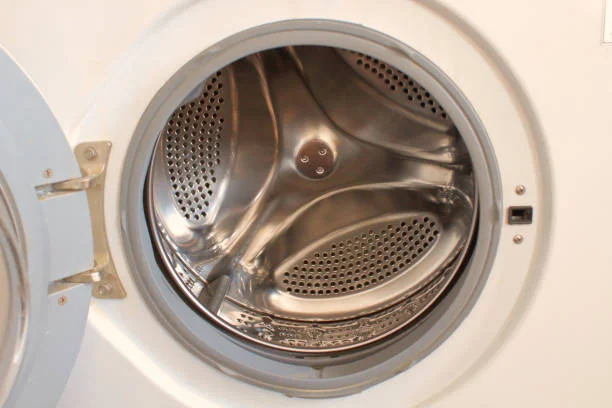
Have you ever opened your washing machine and caught a whiff of something musty? That could be hidden mold lurking in the nooks and crannies, turning your trusty appliance into a breeding ground for bacteria. It’s a common issue in humid places like Florida, where moisture hangs in the air year-round. If you’re dealing with appliance woes beyond just your washer—say, a dishwasher repair leaking problem—it’s worth knowing how to tackle these at home before calling in the pros. In this guide, we’ll dive deep into the best ways to clean out that hidden mold, keeping your machine running smoothly and your laundry fresh Washing Machine’s Hidden Mold.
Washing machines are workhorses in our homes, but they can harbor mold if not maintained properly. Mold thrives in dark, damp environments, and the inside of a washer provides the perfect setup. Over time, residue from detergents, fabric softeners, and even lint can build up, creating a slimy film that invites mold growth. This isn’t just gross; it can lead to health issues like allergies or respiratory problems, especially for folks with sensitivities. Plus, a moldy machine might not clean your clothes as effectively, leaving them with that lingering odor.
But don’t worry—cleaning it isn’t as daunting as it sounds. With some simple steps and household items, you can banish the mold and prevent it from coming back. We’ll cover everything from identifying the problem to long-term maintenance of Washing Machine’s Hidden Mold, all tailored for busy homeowners in areas like Wesley Chapel or nearby spots such as Land O’ Lakes and Odessa.
Why Mold Builds Up in Washing Machines
Understanding the root cause is key to effective cleaning. Mold in washing machines often stems from excess moisture that doesn’t fully evaporate after cycles. Front-loading machines are particularly prone because their doors seal tightly, trapping water inside. Top-loaders aren’t immune either, especially if you leave the lid closed right after use.
In humid climates like Florida’s, where SkyBreezeTech services communities from Shady Hills to Dade City, the ambient moisture exacerbates the issue. Add in high-efficiency detergents that produce less suds (meaning less rinsing action) and you’ve got a recipe for buildup. Overloading the machine or using too much detergent can leave residues that mold loves to feed on Washing Machine’s Hidden Mold.
Signs of mold include:
- A persistent musty smell, even on clean clothes.
- Visible black or green spots inside the drum, around the gasket, or in the detergent drawer.
- Slimy residue on the door seal or agitator.
- Clothes coming out with unexplained stains or odors.
If you’ve noticed these, it’s time to act. Ignoring it can lead to more serious problems, like machine breakdowns or even contamination of your laundry.
Continue exploring—this related read offers clarity and meaningful context.
Preparing for the Clean: What You’ll Need
Before you start scrubbing, gather your supplies. The good news? Most of what you need is probably already in your kitchen or laundry room. Here’s a basic list:
- White vinegar: A natural acid that kills mold without harsh chemicals.
- Baking soda: Helps scrub away grime and neutralizes odors.
- Bleach: For tough cases, but use sparingly as it can damage rubber parts.
- Old toothbrush or soft-bristle brush: For getting into tight spots.
- Microfiber cloths: Absorbent and lint-free for wiping down.
- Rubber gloves: To protect your hands from irritants.
- Optional: Essential oils like tea tree or lemon for a fresh scent post-clean Washing Machine’s Hidden Mold.
Safety first—unplug the machine and ensure it’s empty. If your washer has a self-clean cycle, check the manual; some models from brands like LG or Samsung have built-in features that make this easier.
Step-by-Step Guide to Cleaning Hidden Mold
Let’s get into the nitty-gritty. This method combines natural and targeted approaches for the best results. Aim to do a deep clean every 1-3 months, depending on usage Washing Machine’s Hidden Mold.
1. Clean the Detergent Dispenser and Drawer
The dispenser is a prime mold spot because soap residues accumulate here. Pull out the drawer (most slide out easily) and soak it in a mixture of hot water and vinegar (1:1 ratio) for 30 minutes. Scrub with a toothbrush to remove any gunk. For stubborn mold, sprinkle baking soda and scrub gently.
Wipe the cavity where the drawer sits, as mold can hide there too. Reinsert once dry.
2. Tackle the Door Gasket and Seal
For front-loaders, the rubber gasket around the door folds are mold magnets. Fold back the rubber and wipe with a vinegar-soaked cloth. If mold is visible, apply a paste of baking soda and water, let it sit for 10-15 minutes, then scrub and rinse.
Top-loaders: Check around the lid and any seals. Use the same vinegar solution.
3. Run a Hot Water Cycle with Vinegar
Fill the drum with hot water (or run a hot cycle without clothes). Add 2 cups of white vinegar directly into the drum. Let it agitate for a few minutes, then pause for an hour to let the vinegar penetrate hidden areas like hoses and pumps. Resume and complete the cycle.
This step dissolves mineral deposits and kills mold spores. Vinegar’s acidity breaks down the biofilm without corroding parts Washing Machine’s Hidden Mold.
4. Follow Up with Baking Soda or Bleach
For extra power, run another cycle with 1 cup of baking soda. It acts as a mild abrasive, scrubbing the interior as the machine runs.
If mold is severe, use bleach instead: Add 1 cup to the drum and run a hot cycle. But caution—bleach can degrade rubber over time, so alternate with vinegar methods.
5. Clean the Drum and Interior
After cycles, wipe the drum with a microfiber cloth dipped in vinegar. For top-loaders, remove the agitator if possible (check your model) and clean underneath.
Don’t forget the filter! Many machines have a drain pump filter at the bottom front. Unscrew, remove debris, and rinse.
6. Dry Everything Thoroughly
Mold hates dryness. Leave the door or lid open after cleaning to air out. Use a fan if needed in humid areas.
Natural vs. Chemical Cleaners: Which is Best?
You might wonder if store-bought cleaners are worth it. Products like Affresh or OxiClean tablets are convenient and effective for routine maintenance. They fizz and foam to reach hidden spots.
But natural options like vinegar and baking soda are cheaper, eco-friendly, and just as potent for most cases. In my experience helping folks in Hudson and surrounding areas, vinegar alone resolves 80% of mild mold issues without the chemical smell.
For heavy infestations, combine both: Use a commercial cleaner monthly, natural methods in between.
Pros of natural cleaners:
- Safe for families with kids or pets.
- No harsh fumes.
- Inexpensive and readily available.
Cons:
- May require more elbow grease.
- Less effective on extreme buildup.
Chemical cleaners shine for quick results but can irritate skin or fade colors if not rinsed well.
Preventing Mold from Returning
Cleaning is great, but prevention is better. Here’s how to keep your washer mold-free:
- Leave the door open: After every load, prop it open to allow airflow. In Florida’s humidity, this is crucial.
- Use the right detergent amount: Too much leaves residue. Follow package instructions.
- Run hot cycles occasionally: Heat kills bacteria. Do a hot wash with towels monthly.
- Wipe seals regularly: After loads, quick wipe-down prevents buildup.
- Choose HE detergents wisely: Opt for low-sudsing formulas designed for your machine type.
- Maintain humidity levels: Use a dehumidifier in your laundry room if it’s particularly damp.
- Schedule professional check-ups: If issues persist, a tech can inspect for leaks or faulty parts.
In places like Wesley Chapel, where hard water is common, consider a water softener to reduce mineral deposits that aid mold.
Common Mistakes to Avoid
Even with good intentions, people slip up. Don’t overload the machine—it prevents proper rinsing. Avoid leaving wet clothes inside overnight; transfer them promptly.
Skipping the self-clean cycle if your model has one is another pitfall. And never mix bleach and vinegar—they create toxic fumes.
If you’re in Odessa or Land O’ Lakes and notice persistent problems, it might be a sign of a deeper issue like a clogged drain.
When to Call a Professional
Sometimes, DIY isn’t enough. If mold returns quickly or you hear unusual noises, it could indicate a leak or pump failure. That’s where experts like those at SkyBreezeTech come in. Serving areas from Shady Hills to Dade City, they handle everything from mold cleanouts to full repairs.
Signs it’s time for pros:
- Machine won’t drain properly.
- Error codes on the display.
- Visible damage to seals or hoses.
Regular maintenance can extend your washer’s life by years, saving you money.
Eco-Friendly Tips for a Greener Clean
Going green? Use vinegar distilled from sustainable sources. Baking soda is biodegradable too. Avoid single-use plastics by reusing cloths.
For an extra boost, add a few drops of tea tree oil to your vinegar mix—it’s a natural antifungal.
In Florida, where environmental consciousness is growing, these tips align with keeping our waterways clean from chemical runoff.
Real-Life Stories from Florida Homes
I’ve heard from customers in Wesley Chapel who ignored that musty smell, only to find their kids’ clothes reeking after washes. One quick clean later, problem solved. Another in Hudson had a front-loader gasket so moldy it needed replacement—preventable with routine care.
These anecdotes show that a little effort goes a long way.
The Science Behind Mold in Appliances
Mold is a fungus that reproduces via spores, thriving at 77-86°F with moisture. In washers, Aspergillus and Penicillium are common culprits. Vinegar’s acetic acid disrupts their cell walls, while baking soda alters pH.
Understanding this helps appreciate why consistent cleaning matters.
Comparing Front-Load vs. Top-Load Washers
Front-loaders save water but trap more moisture. Top-loaders air out better but use more energy. Choose based on your needs, but maintain accordingly.
Cost Savings from Regular Cleaning
A clean machine runs efficiently, using less energy and detergent. Prevent repairs that could cost $200-500. In the long run, it’s a smart investment.
Integrating Cleaning into Your Routine
Make it a habit: Clean on the first of the month. Set reminders. Involve the family—kids can wipe seals.
Final Thoughts
Keeping your washing machine free of hidden mold is straightforward with the right approach. From vinegar soaks to preventive habits, you’ve got the tools to maintain a fresh, efficient appliance. If you’re in the Wesley Chapel area or nearby like appliance repair crestview fl, remember that professional help is just a call away for those tougher jobs.
Keep going—discover more posts that broaden your perspective today.