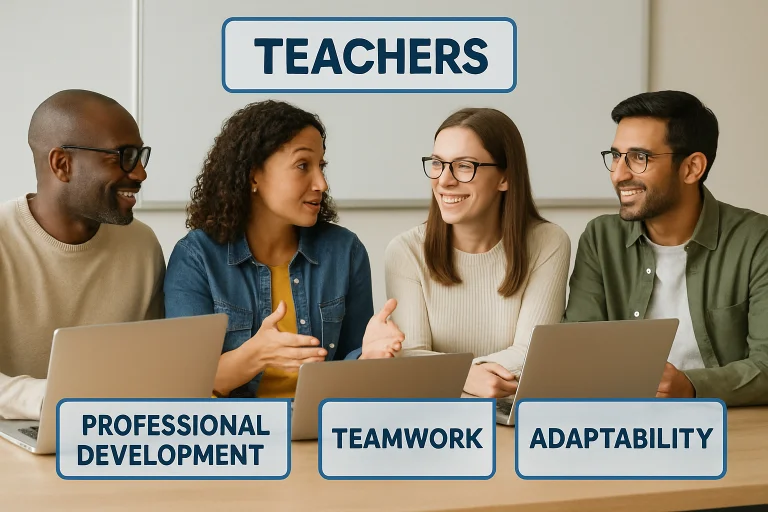
As the demands on educators continue to grow with the evolution of technology, shifting standards, and increasingly diverse classroom environments, it’s more important than ever to equip teachers with effective support systems. Whether you’re considering a career change or looking to strengthen your teaching practice, pursuing online teaching degrees in Texas can provide a solid foundation for adapting to the changing landscape Supporting Teachers. Educational professionals must access innovative strategies that foster resilience, flexibility, and growth in this new era. The modern educational environment brings frequent curriculum updates, new digital platforms, and a need for greater cultural awareness—making intentional support a non-negotiable element in a teacher’s professional journey.
Adapting to educational shifts means more than simply embracing new tools or curricula; it requires ongoing learning, a robust support network, and the ability to cater to the needs of all learners—an approach supported by programs offered through Lamar University. Teachers who feel supported not only deliver better instruction but also experience greater job satisfaction and higher retention rates. As we further explore responsive professional development, the integration of cutting-edge technology, and the creation of equitable classrooms, we’ll uncover actionable strategies to help teachers thrive amid change Supporting Teachers.
Responsive Professional Development
High-impact professional development goes beyond traditional, one-size-fits-all workshops. Programs like the Illinois Physics and Secondary Schools (IPaSS) partnership model provide tailored training, mentoring, and access to curated resources that serve educators in real-time and reflect their unique classroom challenges. These initiatives emphasize active learning, giving teachers practical, hands-on experience they can immediately apply. Emphasizing teacher voice and choice in PD planning—such as by allowing them to select topics, delivery formats, and pacing—leads to sustainable pedagogical growth and increased instructional effectiveness. When teachers participate in designing their own learning experiences, they become more invested and are more likely to integrate new strategies into daily practice Supporting Teachers.
Collaboration and peer support are crucial elements. Professional learning communities, whether in-person or virtual, encourage discussion, reflection, and sharing of best practices. These ongoing networks combat isolation, foster a shared sense of purpose, and help teachers adapt quickly to curriculum changes, new technologies, or evolving educational standards. Peer observation, coaching cycles, and collaborative curriculum mapping further nurture a culture of continuous improvement.
Moreover, mentorship from experienced educators can help early-career teachers navigate common challenges and develop confidence, reducing attrition rates. Regular, actionable feedback from instructional leaders ensures that professional development translates to meaningful growth. By creating opportunities for reflection, dialogue, and ongoing support, schools drive the collective advancement of their teaching staff.
Spotlight on today’s top story—this related post delivers insight and value.
Leveraging Technology in Education
Technology is an indispensable resource in the modern classroom. From streamlining lesson planning and grading to providing adaptive learning experiences tailored to individual student needs, technology enhances efficiency and personalization. Generative AI tools can generate differentiated assignments, automate feedback, and even simulate classroom scenarios for trainee teachers. Digital tools expand access to high-quality resources, including open educational materials, video lessons, and virtual labs, making learning more engaging and accessible for all students Supporting Teachers.
Yet, responsible technology integration requires more than access to the latest gadgets. Teachers must be skilled in digital instruction, online classroom management, and digital citizenship. Professional development should address both technical skills and critical thinking, equipping educators to harness the power of technology while safeguarding students’ well-being.
Fostering Inclusive Education
Ensuring equity in the classroom is foundational to high-quality education. Inclusive practices—guided by frameworks such as Universal Design for Learning (UDL)—meet students where they are and provide multiple pathways for success. UDL recommends offering materials in varied ways, allowing for diverse methods of response, and incorporating student interests to enhance engagement. Classrooms that prioritize inclusion adapt instruction so that materials are accessible to students with disabilities while also challenging gifted learners, supporting English learners, and honoring various cultural backgrounds.
Adopting an inclusive mindset means proactively planning for students with differing backgrounds, learning profiles, or abilities. Access to accommodations and culturally relevant content empowers both teachers and students to thrive. Strategies such as flexible grouping, differentiated assignments, and the use of assistive technology ensure all students participate meaningfully. Schools that prioritize equity through funding, support staff, and policy see more positive student outcomes and greater overall teacher satisfaction.
Building Strong Relationships
Relationships are the heart of any education system. Administrators who invest in consistent, transparent communication and recognize the contributions of teachers create a positive climate that supports professional growth and well-being. Prioritizing regular check-ins, authentic feedback, and opportunities for teacher input makes educators feel valued and respected. This culture of appreciation translates to increased motivation and a stronger commitment to the school’s mission.
Additionally, fostering supportive peer and mentor relationships contributes to a sense of community and a feeling of belonging. New teachers, in particular, benefit from structured mentorship programs that help them navigate the early challenges of their careers. When teachers feel connected, understood, and supported, their commitment and effectiveness flourish, directly impacting student learning experiences. Building a network of trusting relationships across all levels—colleagues, administrators, students, and families—creates a nurturing environment in which everyone can thrive. Regular team-building activities and recognition programs also help reduce burnout and promote well-being among staff, fostering stability and continuity in schools.
Final Thoughts
Empowering teachers in today’s fast-paced educational world requires a holistic approach: personalized professional development, innovative technology use, inclusive practices, and nurturing relationships. By embracing these strategies, schools and districts can build resilient educators and lay the foundation for successful, equitable learning environments, ensuring that every student has the opportunity to succeed Supporting Teachers. When teachers are equipped with relevant tools and meaningful support, they not only become more effective instructors but also agents of positive change within their communities.
Discover this featured read packed with engaging content and practical ideas.