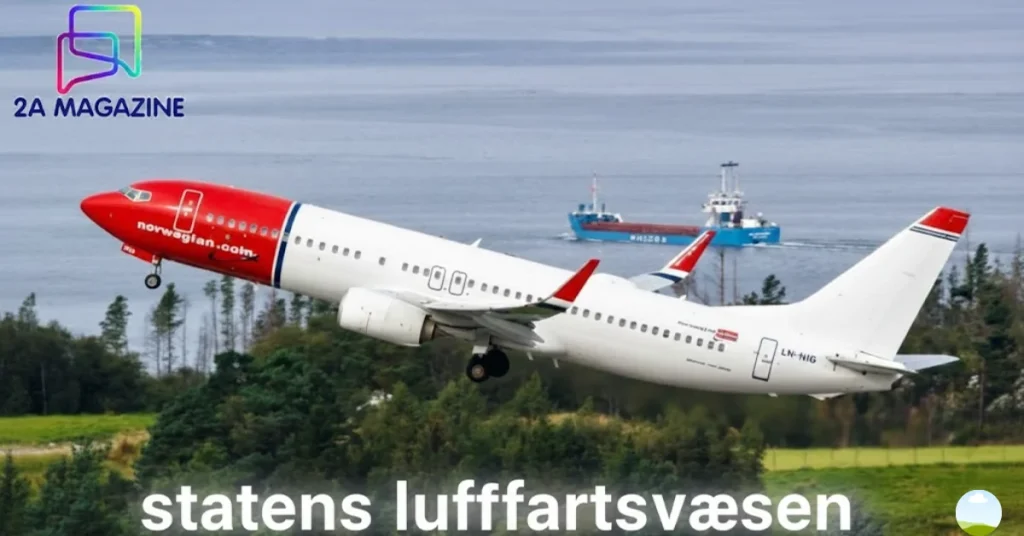
Introduction to Statens Luftfartsvæsen (Norwegian Civil Aviation Authority)
When it comes to aviation in Norway, one name stands out: Statens Luftfartsvæsen. This pivotal organization plays a crucial role in shaping the country’s air transport landscape. With its finger on the pulse of safety, regulation, and innovation, it ensures that both passengers and cargo travel with confidence through Norway’s skies.
But what exactly does Statens Luftfartsvæsen do? How has it evolved over time? From its historical roots to modern-day responsibilities, this blog post will take you on an insightful journey into one of Norway’s most important regulatory bodies. Buckle up as we explore how this authority not only influences national aviation but also positions itself on the global stage!
Unlock additional value—our related post reveals tips to elevate your next move.
The History and Evolution of Statens Luftfartsvæsen
Statens Luftfartsvæsen, the Norwegian Civil Aviation Authority, boasts a rich history dating back to its establishment in 1936. Originally formed to regulate and oversee aviation in Norway, it has undergone significant transformations over the decades.
During its early years, the organization focused primarily on safety regulations and air traffic control. The rapid growth of commercial aviation in the latter half of the 20th century prompted an expansion of its responsibilities.
By embracing technological advancements, Statens Luftfartsvæsen adapted to evolving industry needs. It introduced new standards for pilot training and aircraft certification while ensuring compliance with international guidelines.
The authority also played a crucial role during crises, such as events that threatened passenger safety or national security. Each challenge shaped its approach to regulation and oversight, fostering resilience within Norway’s aviation sector.
Current Responsibilities and Regulations
Statens Luftfartsvæsen plays a pivotal role in overseeing Norway’s aviation sector. It ensures compliance with national and international regulations, promoting safe air travel for everyone.
The authority regulates various aspects of aviation, from aircraft operations to the licensing of pilots and maintenance personnel. This comprehensive oversight contributes to high safety standards across the industry.
It also manages air traffic control services, ensuring that flights operate smoothly within Norwegian airspace.
Moreover, Statens Luftfartsvæsen monitors airport operations and infrastructure development, working closely with both public and private stakeholders.
Through rigorous inspections and audits, it guarantees that all airlines adhere to operational protocols. These responsibilities reflect the authority’s commitment to maintaining Norway’s reputation as a global leader in civil aviation safety.
With ever-evolving technologies and challenges in the field, staying current on regulations is vital for fostering innovation while safeguarding passenger welfare.
Safety Measures and Initiatives
Safety is paramount in aviation, and Statens Luftfartsvæsen takes this responsibility seriously. The authority implements rigorous safety measures to ensure the well-being of passengers and crew alike.
Regular inspections of aircraft and airport facilities are fundamental. These checks guarantee that all operations meet stringent national and international standards.
Training programs for airline personnel enhance their skills in emergency situations. This proactive approach prepares staff to handle potential crises effectively.
Statens Luftfartsvæsen also emphasizes collaboration with global aviation organizations. Sharing best practices ensures continuous improvement in safety protocols across borders.
The introduction of advanced technology plays a critical role as well. Innovations like real-time monitoring systems help track flight safety metrics, enabling swift responses when necessary.
Through these initiatives, Norway’s commitment to a secure flying environment remains steadfast, fostering confidence among travelers every day.
Take the next step—explore more insights designed to drive your success forward.
Environmental Efforts and Sustainability Practices
Statens Luftfartsvæsen is deeply committed to environmental stewardship. The agency actively promotes sustainable aviation practices across Norway.
One initiative focuses on reducing greenhouse gas emissions from aircraft operations. By encouraging airlines to adopt more efficient flight paths and modern technology, they aim for a smaller carbon footprint.
In addition, Statens Luftfartsvæsen supports research into alternative fuels. These biofuels can significantly lessen aviation’s impact on climate change.
Moreover, the authority collaborates with airports to implement energy-efficient ground handling procedures. This includes electric vehicles and solar-powered facilities that minimize reliance on fossil fuels.
Public awareness campaigns also play a crucial role. They educate travelers about eco-friendly choices when flying and emphasize the importance of sustainability in aviation.
Through these efforts, Statens Luftfartsvæsen sets an example for other countries while safeguarding Norway’s natural beauty for future generations.
International Collaborations and Partnerships
Statens Luftfartsvæsen actively engages in international collaborations to enhance aviation safety and regulation. By partnering with organizations like the European Union Aviation Safety Agency (EASA), they ensure that Norway aligns with global standards.
These partnerships facilitate knowledge exchange, fostering innovations that improve air traffic management and security protocols. Regular meetings and joint exercises help streamline processes across borders.
Collaborating with countries outside Europe also enriches their operational framework. Through these global alliances, Statens Luftfartsvæsen gains insights into diverse regulatory approaches, adapting best practices for local implementation.
Such initiatives not only elevate Norway’s aviation sector but also strengthen its reputation on the world stage. The commitment to working alongside international partners underscores a dedication to excellence in civil aviation oversight.
Impact on Norway’s Aviation Industry
Statens Luftfartsvæsen plays a pivotal role in shaping Norway’s aviation landscape. Its regulations foster a safe and efficient air transport system, which is crucial for both domestic and international travel.
The authority’s strict adherence to safety standards boosts public confidence in flying. This trust directly translates into increased passenger numbers and economic growth within the sector.
Moreover, Statens Luftfartsvæsen supports innovation by collaborating with airlines and tech companies. New technologies are often tested under its watchful eye, paving the way for advancements that enhance operational efficiency.
As a key player in global aviation discussions, it ensures that Norway remains at the forefront of international standards. This positions Norwegian carriers favorably on the world stage, allowing them to compete effectively while upholding high-quality service standards.
Through these initiatives, Statens Luftfartsvæsen significantly influences not just safety but also sustainability practices across the industry.
Challenges and Future Plans
Statens Luftfartsvæsen faces several challenges as the aviation industry evolves. Rapid technological advancements demand constant updates to regulations. Keeping pace with innovations like electric aircraft and drones is crucial.
Additionally, increased passenger traffic places immense pressure on existing infrastructure. Balancing safety and efficiency becomes a tightrope walk for regulators.
Environmental concerns add another layer of complexity. The push for greener practices means Statens Luftfartsvæsen must promote sustainable aviation while ensuring compliance with international standards.
Looking ahead, collaboration will be pivotal. Strengthening partnerships with global aviation bodies can facilitate knowledge sharing and innovation adoption.
Future plans also focus on improving public trust in air travel. Enhanced transparency around safety measures will encourage more people to fly, benefiting the entire industry.
As they navigate these challenges, a proactive approach will be vital in shaping Norway’s aviation landscape for years to come.
Conclusion
Statens Luftfartsvæsen plays a vital role in shaping the aviation landscape of Norway. With its rich history and commitment to safety, it has evolved into a modern regulatory body that prioritizes the well-being of both passengers and the environment. The authority’s collaborative efforts on an international scale further enhance its influence, ensuring that Norwegian aviation aligns with global standards.
The challenges ahead are significant but manageable. With ongoing advancements in technology and an increasing focus on sustainability, Statens Luftfartsvæsen is poised to lead Norway’s aviation industry into a more resilient future. As we look forward, it’s clear that this agency will continue to be at the forefront of progress within civil aviation, fostering growth while adhering to stringent safety regulations and environmental practices.
Norway’s skies remain safe under their watchful eye as they navigate through opportunities for innovation and improvements in air travel efficiency. This dedication ensures not just a brighter future for aeronautics but also sets an example for other nations striving toward excellence in civil aviation governance.
See what’s trending—explore our featured post to stay ahead of the curve.