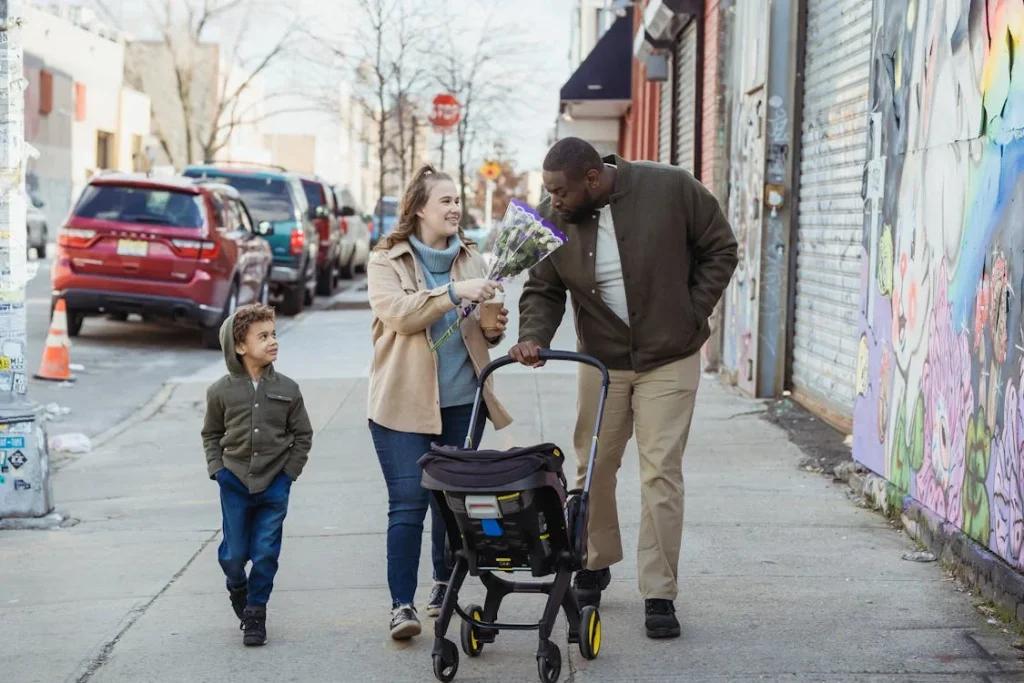
Moving countries for a partner changes your social world overnight. The coffee spots you knew, the friends who understood your references without explanation Social life adjustments, the routines that shaped your weekends — all of it stays behind.
What replaces it is not emptiness, but unfamiliarity. Even simple interactions like making small talk or accepting an invitation require more awareness than they used to. Social adjustment becomes one of the most personal parts of relocation.
For many couples, that transition includes settling into life in the UK, where social cues can feel subtle and layered. Politeness often masks direct emotion. Humour carries cultural references that are not always obvious. Invitations may sound casual yet follow unspoken expectations. While managing practical steps like housing and paperwork, the quieter work of social integration begins. Learning how to connect within a new cultural framework becomes just as important as navigating the formal processes that brought you there.
Rebuilding Social Circles
Starting over socially requires intention. Your partner may already have an established circle of friends, colleagues, and family members. While that network offers familiarity, it does not automatically replace the friendships you left behind. Building your own connections creates balance and helps prevent feelings of dependency during the adjustment period. That sense of independence can be harder to establish when legal and administrative processes begin to shape daily life.
For instance, when applying for a spouse visa UK application requirements can interfere with the natural rhythm of settling into a new place. Paperwork, eligibility rules, financial thresholds, and long processing times can slow everything down. Plans get put on hold. Job searches feel uncertain. Even simple decisions about housing or study can seem risky while waiting for confirmation.
That pause can quietly affect confidence. Without clarity on timelines or work permissions, it becomes harder to build routines or meet people with ease Social life adjustments. Instead of waiting in isolation, join local community groups, attend hobby classes, or volunteer to create consistency and social contact during a period that might otherwise feel suspended.
Establishing Personal Identity
It is easy to become known primarily as someone’s partner in a new country. Introductions often begin with your connection to them, especially in shared social settings. Over time, this dynamic can feel limiting if you do not carve out independent space for yourself.
Creating routines that belong solely to you helps establish identity. Joining a fitness group, taking a course, or participating in local interest-based communities introduces you as an individual rather than an extension of your partner. Personal identity strengthens confidence, which in turn improves how you engage socially within the broader environment.
Related insights you shouldn’t miss.
Navigating Language Barriers
Even when you speak the same language as those around you, subtle differences in vocabulary, tone, and cultural references can create hesitation. Humour may rely on regional expressions. Casual phrases might carry layered meaning. These nuances often surface during relaxed social moments.
Building comfort takes repetition. Listening actively, asking for clarification without embarrassment, and gradually adopting local expressions increase ease in conversation. Social fluency is not achieved instantly. It grows through participation. Each interaction adds familiarity, making future exchanges feel less effortful and more intuitive.
Adapting to Different Norms
Social expectations around invitations, hosting, and gatherings vary widely between cultures. In the UK, invitations may be phrased modestly, yet punctuality and etiquette still matter. Casual plans can still carry structure. Understanding these subtleties prevents awkward misunderstandings.
Observing how others navigate hosting situations provides useful cues. Bringing a small gift, responding promptly to invitations, and respecting social timing demonstrate cultural awareness. Gradually, these practices become natural rather than deliberate. Social adjustment unfolds through attention, participation, and time.
Maintaining Friendships Back Home
Relocation does not erase the friendships that shaped your earlier life. At the same time, holding too tightly to what was familiar can slow integration into your new environment. The balance lies in staying connected without remaining anchored to the past. Time zone differences, evolving routines, and shifting priorities naturally change how often you communicate, yet intentional effort keeps those bonds steady.
Scheduling regular calls, planning occasional visits, and sharing daily updates through simple messages maintain continuity. At the same time, giving yourself permission to invest energy in new relationships prevents emotional stagnation.
Building Professional Networks From Scratch
Professional identity often overlaps with social identity, especially in a new country. Colleagues can become early social contacts, and industry events provide structured environments for interaction. Rebuilding a professional network from zero may feel intimidating, yet it also creates an opportunity to redefine your direction.
Attending local networking events, joining industry associations, and engaging on professional platforms introduces you to people outside your partner’s circle. These connections often lead to social invitations, mentorship opportunities, and increased confidence.
Managing Expectations From Extended Family in the New Country
Moving for a partner frequently means integrating yourself into their extended family dynamic. Family gatherings, traditions, and expectations may operate differently from what you are used to. Navigating this landscape requires sensitivity without sacrificing personal comfort.
Open communication with your partner about boundaries and expectations provides clarity. Gradual involvement in family traditions allows relationships to grow organically. Over time, familiarity replaces formality. Respecting established dynamics while expressing your own preferences builds mutual understanding.
Understanding Humour and Communication Differences
Humour is often one of the last elements to feel natural in a new cultural setting. Jokes may rely on shared history, subtle sarcasm, or references unfamiliar to you. Early misunderstandings are common and should not be interpreted as personal shortcomings Social life adjustments.
Observing conversational patterns and allowing yourself time to adapt eases the process. Asking for context when something is unclear demonstrates interest rather than confusion. Gradually, you begin to recognise tone shifts and cultural references.
Handling Social Comparisons Before and After Moving
Comparisons arise easily during relocation. You may measure new experiences against old routines, new friendships against long-standing ones. While reflection is natural, constant comparison can limit appreciation of present opportunities.
Acknowledging nostalgia without allowing it to dominate creates space for growth. The social life you build in a new country will not mirror the one you left. It will carry different rhythms, connections, and milestones. Accepting that difference supports emotional balance Social life adjustments and allows integration to unfold more naturally. Adjusting socially after moving countries for a partner is gradual and layered. It involves rebuilding networks, redefining identity, and learning subtle cultural cues.
Explore fresh perspectives for smarter growth at 2A Magazine.