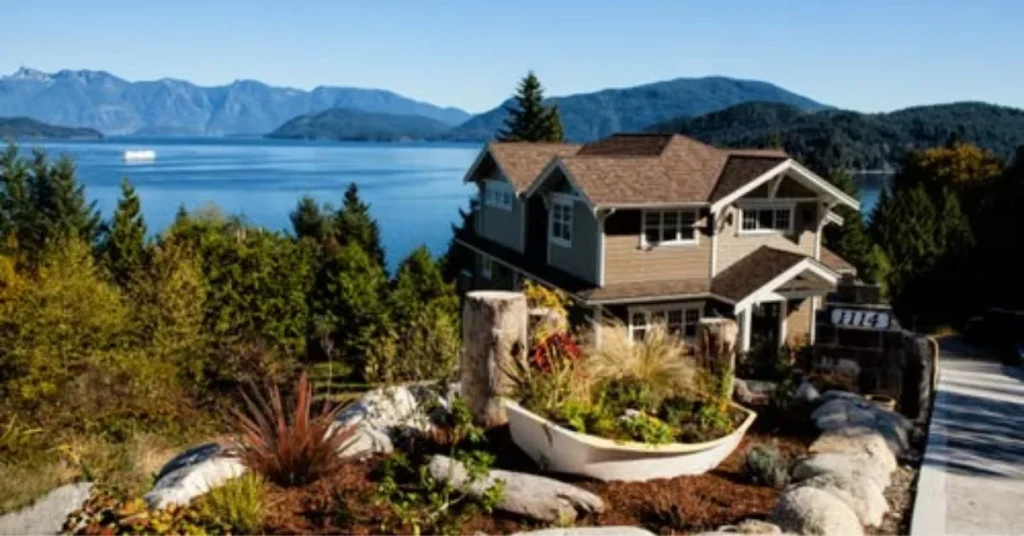
Anyone who has watched a green lawn turn brown by mid-July knows how quickly a Vancouver Island summer can shift from lush to parched. Courtenay and the surrounding Comox Valley get plenty of rain most of the year, which is exactly why so many yards struggle once the taps get restricted. Between shrinking reservoir levels and a fast-growing population, local watering rules have become a regular part of summer planning rather than a rare inconvenience. What used to be an occasional dry spell now shows up almost every year, and yards built around a wetter climate often aren’t ready for it.
The good news is that a few smart adjustments can keep a yard looking healthy without fighting the restrictions or the water bill. It just takes a bit of planning before the dry stretch hits, rather than scrambling once the grass has already started to crackle underfoot.
Why Comox Valley Yards Are Under More Pressure Than Ever
The region’s water supply depends heavily on Comox Lake, and low snowpack years can push the valley into stricter tiers faster than homeowners expect. Once current watering restrictions kick in, sprinklers often get cut off entirely, leaving only hand-held hoses and drip irrigation as options for trees, shrubs, and gardens. That shift catches a lot of people off guard, especially newer residents used to less regulated water use elsewhere.
Bylaw enforcement has also gotten more visible in recent seasons, with crews patrolling neighborhoods and issuing fines to properties still running sprinklers on the wrong days or during off-hours. That added layer of accountability means the old habit of just running a timer and forgetting about it no longer works. Understanding the rules early in the season, rather than after a lawn has already gone crispy, makes it much easier to plan around them.
Choosing Plants That Thrive Without Constant Watering
The easiest way to reduce stress in a yard is to stop fighting the climate and start working with it. Coastal BC’s dry summers and wet winters favor drought-tolerant natives like Oregon grape, salal, and ornamental grasses over thirstier imports. Perennials such as lavender, yarrow, and sedum handle restriction periods with barely a wilt, and they still look intentional rather than neglected. Grouping plants by water need, rather than scattering thirsty annuals throughout a bed, also means less guesswork about where a limited watering window should go.
Smart Lawn Care Habits That Save Water
Lawns take the hardest hit during restrictions, but a few habits go a long way toward resilience. Raising the mower deck to leave grass a bit longer shades the soil and slows evaporation, while a layer of mulch around beds locks in moisture that would otherwise bake off in an afternoon. Aeration before the dry season starts also helps water reach the roots instead of running off a compacted surface. Many homeowners who want a deeper reset, especially after a rough summer, look into landscaping services in Comox for aeration, overseeding, and soil work that a weekend DIY project won’t fix.
Simple Seasonal Upkeep That Pays Off Year-Round
Landscaping isn’t a one-season job, and the shoulder months matter just as much as July and August. Fall is the ideal window to overseed, top-dress, and get drought-tolerant plantings established before winter rain takes over the watering duties for free. Homeowners looking for broader inspiration can find some genuinely useful ideas in this rundown of easy seasonal home updates, many of which apply just as well to a yard as they do to the inside of a house.
Planning Ahead Instead of Reacting
The valley’s watering restrictions aren’t going away, and they tend to arrive earlier each year as demand grows. Homeowners who plan their landscaping around that reality, rather than treating restrictions as a surprise, end up with yards that hold their color and structure through August with far less effort. Whether that means swapping out a few thirsty shrubs, adjusting mowing habits, or bringing in help for a proper aeration and overseeding job before the dry season hits, the homeowners who act early are the ones whose lawns aren’t the ones turning brown on the block this year.