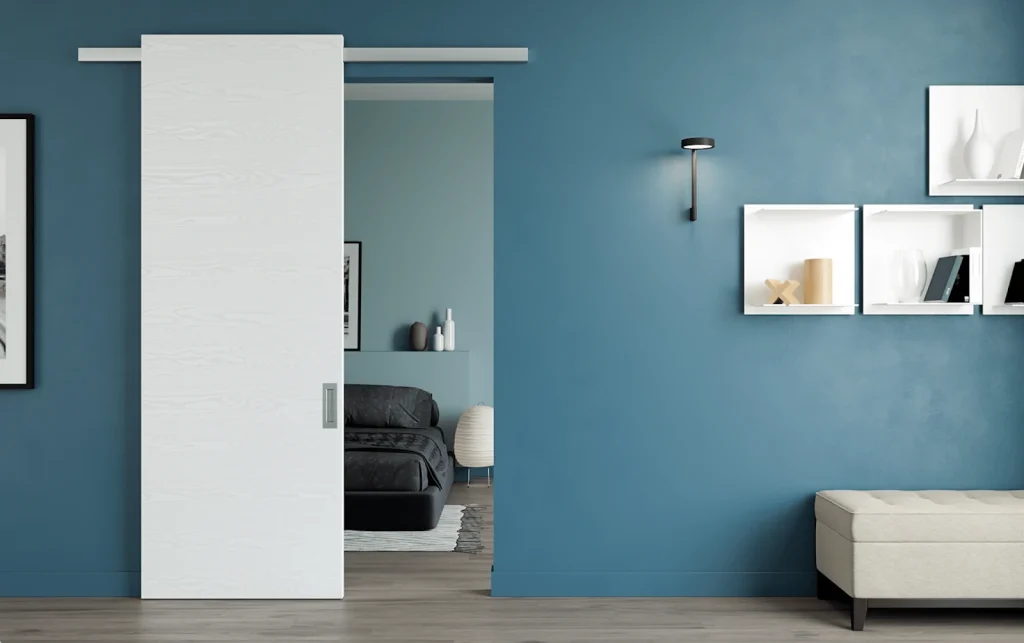
Sliding doors have become one of the most practical and visually refined elements in contemporary interior design. In modern homes, condominiums, and even commercial spaces, they are chosen not only for convenience but also for their architectural value. Unlike classic swing doors, doors sliding systems allow interiors to remain flexible, open, and light while still offering privacy when needed. This balance makes sliding doors a natural choice for today’s lifestyle, where spaces often serve multiple purposes.
A well-designed sliding door for room separation helps organize space without adding visual heaviness. Instead of breaking an interior into rigid zones, sliding systems create soft boundaries that can easily be opened or closed depending on the situation. This approach aligns with modern design principles that prioritize adaptability and comfort.
Sliding Door Inside the Home: Space, Light, and Flexibility
A sliding door inside the home plays a key role in how rooms interact with one another. In open-plan layouts, it allows homeowners to temporarily divide areas without losing the overall sense of openness. For example, a living room can be visually connected to a kitchen during the day and separated in the evening for a quieter atmosphere.
Sliding doors are often used between living and dining areas, bedrooms and home offices, or even as transitions to walk-in closets. When open, they almost disappear, restoring the full width of the opening. When closed, they create a clear boundary while still feeling lighter than a solid wall.
The main advantages of sliding doors inside residential interiors include:
- efficient use of space without swing clearance
- improved flow of natural light between rooms
- flexibility to adapt the layout throughout the day
Because of these qualities, sliding door inside solutions are especially popular in urban homes where every square meter matters.
Sliding Door for Room Zoning in Contemporary Interiors
A sliding door for room zoning is an effective alternative to permanent partitions. Instead of committing to fixed walls, homeowners and designers choose sliding systems to keep interiors adaptable. One room can serve different functions depending on whether the doors are open or closed, supporting modern living patterns.
Glass sliding doors are widely used to maintain brightness and visual connection between spaces. Frosted or textured glass adds privacy while still allowing light to pass through. Solid panels or mixed-material designs are often preferred for bedrooms or workspaces where sound control is more important.
Doors sliding systems also contribute to a clean, minimalist aesthetic. Slim profiles, concealed tracks, and neutral finishes allow sliding doors to blend seamlessly into the interior rather than stand out as a separate feature. This makes them suitable for a wide range of styles, from modern and minimalist to warm contemporary interiors.
Materials, Mechanisms, and Everyday Performance
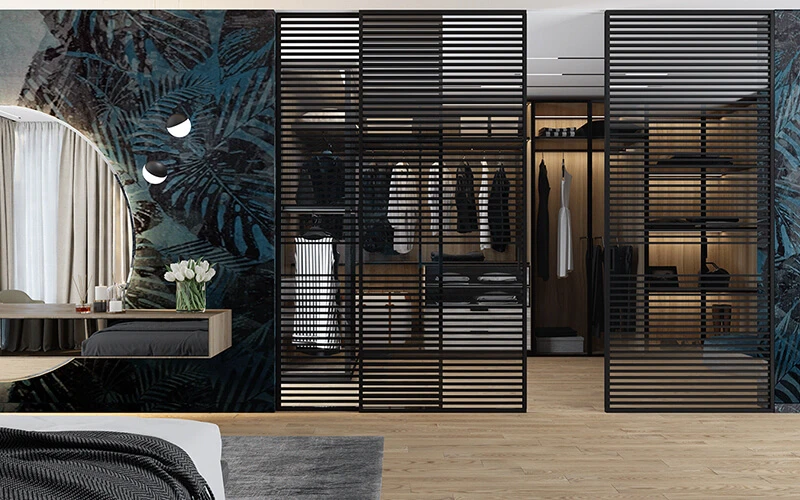
The comfort and longevity of sliding doors depend largely on materials and hardware. Glass panels create a light and modern feel, while wood or composite panels add warmth and visual depth. Aluminum frames are commonly used for their durability and refined appearance.
Equally important is the sliding mechanism itself. High-quality tracks and rollers ensure smooth, quiet movement, which is essential for daily use. Poor-quality hardware can quickly lead to noise or misalignment, reducing comfort over time.
When choosing sliding doors, it is important to consider how often they will be used, whether sound insulation is required, and how they interact with surrounding finishes. A well-designed sliding door should feel effortless in use and remain reliable for many years.
Sliding Doors as Part of a Unified Interior Concept
Sliding doors work best when they are part of a cohesive interior design strategy. Coordinating them with wall finishes, partitions, or room dividers creates visual continuity and architectural clarity. This integrated approach is a defining feature of modern interiors, where consistency of lines and materials is essential.
At Triodoors, sliding doors are treated as architectural elements rather than standalone products. The door shop Triodoors in Toronto (https://triodoors.ca) focuses on modern sliding systems and interior solutions that support flexible layouts and contemporary aesthetics. Their approach makes it easier to integrate sliding doors into a well-balanced interior concept rather than using them as an isolated feature.
Choosing Sliding Doors for Long-Term Comfort
Selecting sliding doors should be based on both design intent and everyday practicality. Some spaces require maximum light transmission, while others prioritize privacy or sound reduction. A sliding door for room separation should support daily routines, enhance comfort, and remain visually relevant over time.
Sliding doors represent a modern way of thinking about interiors. They offer freedom of movement, adaptability, and understated elegance without the limitations of traditional doors. When chosen thoughtfully and integrated properly, sliding doors become a defining element of a contemporary interior, combining functionality with architectural refinement.
Did you find this article helpful? Check out the rest of our blog now!