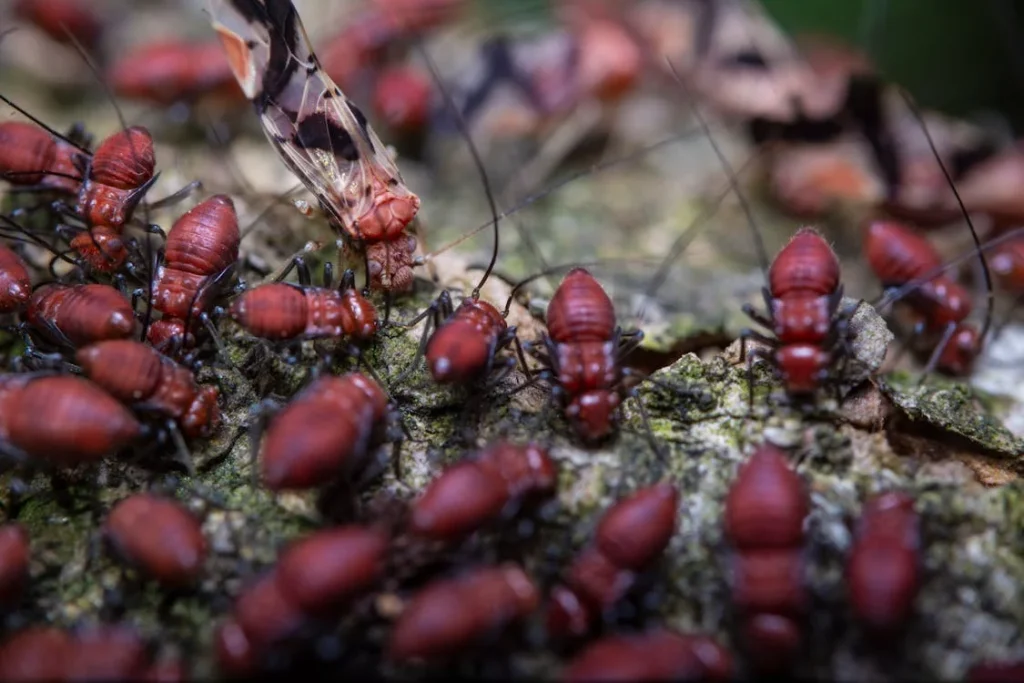
Termites cause serious damage to homes, yet many homeowners remain unaware of their presence until repairs become unavoidable. These pests feed on wood and other cellulose-based materials, which makes houses especially vulnerable. Because termites often remain hidden inside walls, floors, and foundations, the damage can grow steadily over time. This makes early awareness critical for protecting both safety and property value.
Homeowners in cities such as Idaho Falls face additional risk due to seasonal changes that support termite activity. Shifts in moisture and temperature can create conditions that allow colonies to thrive unnoticed. Learning to recognize early warning signs helps homeowners respond before the damage spreads. Understanding what to look for also makes it easier to decide when professional help may be necessary.
Why Termites Are a Hidden Threat to Homes
Termites often stay out of sight, which allows infestations to grow without immediate notice. They typically build colonies inside walls, beneath flooring, or near foundations where they have constant access to food. Because of this, homeowners may not see clear signs until damage affects visible structures. When this happens, repairs often become more expensive and disruptive.
If you are looking for services like pest control Idaho Falls offers plenty of options. This usually happens when routine maintenance reveals damaged wood or weakened structures. Acting early helps limit long-term impact and prevents further deterioration.
Visible Mud Tubes Along Walls and Foundations
Mud tubes rank among the most noticeable signs of termite activity. Termites build these narrow tunnels using soil, saliva, and wood particles. The tubes help them travel between their colony and food sources while staying protected from the open air. Homeowners often find them along foundation walls, crawl spaces, or exterior siding.
These tubes usually indicate an active infestation rather than old damage. Fresh tubes appear moist and intact, while abandoned ones crumble easily. Seeing mud tubes should prompt immediate attention, as they indicate that termites are currently feeding nearby. Ignoring them allows colonies to continue spreading deeper into the structure.
Hollow or Damaged Wood Structures
Termites consume wood from the inside, which leaves the outer surface mostly intact. This makes damage difficult to detect at first glance. Homeowners may notice hollow sounds when tapping wooden beams, floors, or trim. In some cases, wood may appear blistered or cracked without an obvious cause.
As termites continue feeding, structural components lose strength and stability. Floors may sag, and support beams may weaken over time. These changes increase safety risks and repair costs. Regular inspections help catch this damage early, especially in areas with wooden framing or moisture exposure.
Discarded Wings Near Doors and Windows
Termites often reveal their presence during swarming season. Winged termites leave their colonies to form new ones, usually in warmer months. After swarming, they shed their wings near entry points such as doors, windows, and light fixtures. Homeowners may find small piles of transparent wings on windowsills or near exterior doors.
This sign often indicates an established colony nearby rather than a minor issue. Swarming termites usually emerge from mature nests that already cause damage. Ignoring discarded wings allows colonies to expand further. Prompt attention helps reduce the risk of additional structural harm.
Cracked Paint or Bubbling Drywall
Termite activity can affect walls in ways that resemble moisture problems. As termites tunnel beneath surfaces, they create uneven pressure that can lead to cracked paint or bubbling drywall. These changes often appear without visible leaks or water damage. Homeowners may notice peeling paint or soft spots when pressing on walls.
This type of damage tends to spread gradually. Many homeowners delay action because the signs appear minor at first. Over time, the affected areas can weaken and expand. Recognizing this pattern helps distinguish pest-related damage from routine wear and tear.
Doors and Windows Becoming Hard to Open
Termites can affect door and window frames as they feed on surrounding wood. This damage may cause frames to shift or warp, which makes doors and windows difficult to open or close. Homeowners may assume seasonal changes are the cause of the issue, especially during periods of high humidity.
When the problem persists despite weather changes, termites may be to blame. Damaged frames lose proper alignment, which leads to persistent sticking. Addressing the cause early prevents further damage to surrounding structures. Ignoring this sign may allow termites to spread deeper into the home.
Noises Inside Walls or Ceilings
Some homeowners notice faint clicking or rustling sounds coming from walls or ceilings. These noises often occur when termites move or communicate within wooden structures. Sounds become more noticeable at night when homes remain quiet.
Although subtle, these noises can signal active feeding or colony expansion. Many homeowners dismiss them as normal house sounds. Doing so delays detection and increases repair costs. Paying attention to unusual sounds helps identify infestations before visible damage appears.
Termite infestations can cause extensive damage when left unchecked. Many warning signs remain easy to overlook during daily life. Recognizing these indicators allows homeowners to take timely action and limit costly repairs. Staying alert and addressing concerns early helps protect a home’s long-term stability.