Have you ever stood near a window in your home and felt a chill you couldn’t explain? In places like Potomac, MD, where seasons swing from humid summers to icy winters, your windows take a beating. Many homeowners ignore subtle warning signs until energy bills spike or comfort drops. Understanding when to replace old windows can save money, improve safety, and even reflect broader shifts in how we think about efficiency and sustainability.
The Quiet Cost of Drafts
A drafty window does not always announce itself loudly. It creeps in slowly, often mistaken for a normal part of colder weather. When you feel air moving near closed windows or notice curtains shifting slightly, that is not charm. It is wasted energy.
Across the U.S., rising utility costs have pushed homeowners to rethink inefficiencies. Old windows are often a major culprit, allowing heated or cooled air to escape. Over time, this leakage adds up to hundreds of dollars each year, turning a minor annoyance into a financial drain that is easy to overlook.
When Repairs Stop Making Sense
At some point, patching things up becomes more expensive than replacing them. Many homeowners delay action, hoping another round of caulking or weatherstripping will fix the issue. While small fixes can help temporarily, they rarely address deeper structural wear.
Window performance matters year-round, which is why Potomac window replacement companies are seeing more demand from homeowners dealing with aging infrastructure. When frames warp or seals fail repeatedly, replacement becomes the more practical and cost-effective option, especially as modern materials offer better durability and insulation.
Condensation Between Glass Panes
Seeing fog trapped inside your windows can feel oddly unsettling. It is not just a cosmetic issue. It signals a broken seal in double- or triple-pane windows, meaning the insulating gas inside has escaped.
This kind of failure reduces the window’s ability to regulate temperature. In a time when energy efficiency is tied to both environmental awareness and rising costs, ignoring this sign can mean paying more for less comfort. Once seals fail, repairs are rarely effective, making replacement the smarter long-term move.
Difficulty Opening or Closing
Windows should not require a workout to operate. If you find yourself pushing, pulling, or forcing them open, something is wrong. Warped frames, rusted components, or swelling from moisture can all contribute to this problem.
Beyond inconvenience, this issue can become a safety concern. In emergencies, windows need to open quickly and easily. Sticking windows are not just frustrating; they can limit escape routes. As building safety standards evolve, functional windows are no longer optional but essential.
Rising Noise Levels Indoors
Noise pollution has become a growing issue, especially as suburban areas grow denser. If outside sounds seem louder than they used to, your windows may not be doing their job.
Older windows often lack the insulation needed to block sound effectively. Modern designs incorporate multiple panes and improved sealing to reduce noise significantly. Replacing outdated windows can turn a noisy street into a manageable background hum, improving daily comfort in ways many homeowners do not expect.
Visible Damage and Decay
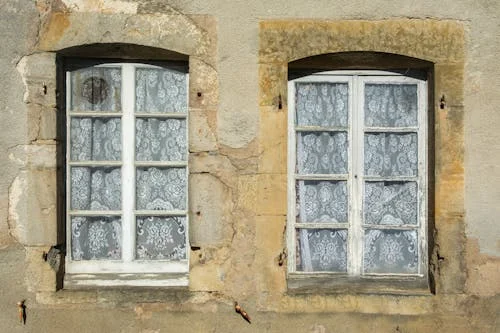
Cracks, rotting wood, and peeling paint are not just aesthetic concerns. There are signs that your windows are breaking down. Moisture intrusion can worsen these issues, leading to mold or structural damage over time.
In recent years, extreme weather events have highlighted the importance of resilient home materials. Damaged windows are more vulnerable during storms, increasing the risk of leaks or breakage. Addressing visible deterioration early can prevent larger and more expensive repairs later.
Outdated Appearance and Home Value
Windows play a bigger role in curb appeal than most people realize. Old, worn-out designs can make an otherwise well-maintained home look dated. In a housing market where first impressions matter, this can affect resale value.
There is also a cultural shift toward modern, energy-efficient homes. Buyers increasingly look for features that reduce long-term costs and environmental impact. Updating your windows aligns with these expectations, making your home more attractive in a competitive market.
Energy Bills That Keep Climbing
If your energy bills keep rising despite normal usage, your windows could be part of the problem. Poor insulation forces heating and cooling systems to work harder, driving up costs.
This issue has gained attention as energy prices fluctuate and sustainability becomes a priority. Many homeowners now track their energy use more closely, noticing patterns that were once ignored. Replacing inefficient windows can lead to noticeable savings, often offsetting the initial investment over time.
Increased UV Exposure and Fading Interiors
Sunlight streaming through your windows may feel inviting, but over time, it can quietly damage your home’s interior. Older windows often lack protective coatings, allowing ultraviolet rays to fade furniture, flooring, and even artwork. If you notice uneven discoloration on carpets or wood surfaces, your windows may no longer be doing their job.
Modern windows are designed with UV-blocking technology that helps preserve interior materials while still letting in natural light. As more homeowners invest in long-term durability and energy efficiency, reducing sun damage has become an important factor in deciding when to upgrade aging replace old windows.
Feeling the Seasons Indoors
Your home should shield you from extreme temperatures, not mirror them. If certain rooms feel too hot in summer or too cold in winter, your windows may be failing to insulate properly.
This imbalance can make living spaces uncomfortable and harder to manage. Modern windows are designed to maintain consistent indoor temperatures, reducing strain on HVAC systems. As climate patterns become less predictable, having reliable insulation is no longer just a comfort issue but a necessity.
Replace old windows rarely fail all at once. They send signals over time, subtle at first and then harder to ignore. Paying attention to these signs can help you act before small problems grow into larger ones. In a world where efficiency, safety, and sustainability matter more than ever, replacing outdated windows is not just a home improvement project. It is a practical step toward a more comfortable and resilient living space.