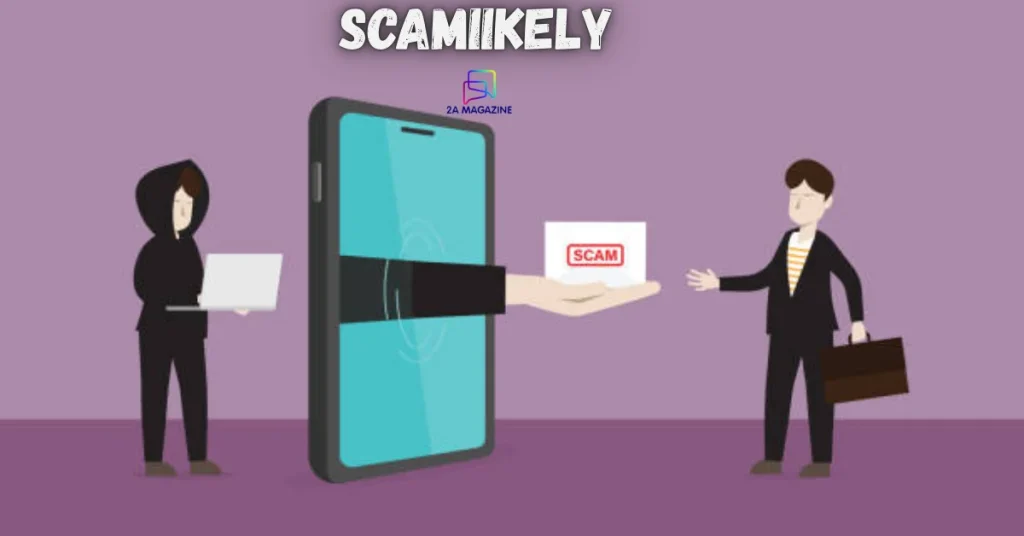
Introduction to Online Scamiikely Guide: Navigating Online Offers with Awareness and Care
In today’s digital world, navigating online offers can feel like dodging landmines. With a simple click, you could uncover fantastic deals or fall victim to clever scams. Enter the scamiikely landscape—a realm where enticing promotions often hide lurking threats. As consumers increasingly rely on e-commerce for their shopping needs, awareness and caution are more crucial than ever.
This guide aims to illuminate the murky waters of online offers. We’ll explore common scam types and how to spot red flags that signal potential danger. Whether you’re hunting for the latest tech gadget at an unbeatable price or searching for travel deals that seem too good to be true, this article is your trusted companion in making informed decisions while safeguarding your personal information.
Join us as we delve into effective strategies for protecting yourself from scammers and ensuring every online transaction is safe and rewarding. Your journey toward confident shopping starts here!
Dive deeper with content tailored to your curiosity—see related posts now.
Common Types of Online Scamiikely Guide: Navigating Online Offers with Awareness and Care
Online scams come in various forms, each designed to exploit unsuspecting users. One prevalent type is the phishing scam, where scammers impersonate legitimate companies to steal personal information. These often arrive via email or social media messages.
Another common form is the counterfeit product offer. Scammers create fake websites that mimic popular retailers but deliver subpar or non-existent products. Shoppers may feel drawn in by incredibly low prices and enticing discounts.
Investment scams are also on the rise, promising unrealistic returns with little risk involved. They prey on individuals looking for quick financial gains without due diligence.
Subscription traps lure victims into free trials that automatically convert into costly subscriptions if not canceled promptly. Awareness of these tactics can significantly reduce your risk of falling victim to a fraudster’s scheme while navigating online offers.
Red Flags to Watch Out For Scamiikely Guide: Navigating Online Offers with Awareness and Care
When browsing online offers, it’s crucial to stay alert for red flags that scream “scamiikely.”
One major indicator is unrealistic pricing. Offers that appear unusually generous are usually not genuine. Scammers often lure you in with incredible discounts or prices that are significantly lower than the market rate.
Another warning sign is poor website design. Legitimate businesses invest in their online presence; shoddy sites can indicate fraudulent intentions.
Be cautious of high-pressure tactics as well. If you’re rushed into making a decision or pressured to act quickly, take a step back and reassess.
Additionally, check for contact information. A lack of clear communication channels can signal potential issues down the line.
Always scrutinize payment methods too. Secure sites will offer reputable options like credit cards or trusted platforms rather than wire transfers or pre-paid gift cards.
How to Protect Yourself from Scammers?
To protect yourself from scammers, start by staying informed. Knowledge is your best shield against deception. Learn about typical scams and the tricks scammers employ.
Always scrutinize emails or messages that ask for personal information. Authentic companies seldom ask for personal information through these channels.
Use strong, unique passwords for each account you have online. This simple step can vastly improve your security and reduce the chances of unauthorized access.
Enable two-factor authentication whenever possible. It adds an extra layer of protection that makes it harder for thieves to gain entry into your accounts.
Keep software and antivirus programs up to date on all devices you use. Regular updates help fend off vulnerabilities that scammers exploit.
Listen to your gut—offers that sound overly perfect are often suspicious. Taking a moment to think critically can save you from falling victim to a scammer’s trap.
Keep the journey going—explore more content crafted for you.
Researching the Legitimacy of an Online Offer
Researching the legitimacy of an online offer is crucial in today’s digital landscape. Start by checking the website’s URL. Look for “https” at the beginning, which indicates a secure connection.
Next, dig deeper into company reviews. Websites like Trustpilot or Better Business Bureau can provide insights from real customers. These platforms often reveal experiences that may not be visible on the seller’s site.
Don’t hesitate to reach out directly to customer service with questions. A genuine company will respond promptly and clearly.
Additionally, look for social media presence. Active engagement on these platforms is usually a sign of credibility. Be wary if you only find negative comments or no interaction at all.
Trust your instincts. If something feels off about an offer—whether it’s too good to be true or lacks transparency—it’s better to err on the side of caution and walk away.
Tips for Safely Making Purchases Online
When shopping online, start by choosing reputable websites. Stick to reputable companies or services that have good feedback from users.
Make sure the website URL starts with HTTPS before sharing any sensitive information. This small padlock icon ensures your information is encrypted and secure.
Use unique passwords for different accounts to add an extra layer of protection. Password managers can help you keep track of these securely.
Consider payment methods that offer buyer protection, such as credit cards or trusted services like PayPal. These measures can help you recover if a transaction or deal goes awry.
Be cautious about sharing excessive personal information during transactions. Legitimate sellers should only require essential details.
Keep an eye on your bank statements regularly. Report any suspicious charges immediately to your financial institution to mitigate potential losses.
Steps to Take When You’ve Been Targeted by a Scam
If you suspect you’ve fallen victim to a scamiikely, act quickly. First, disconnect from any communication with the scammer. Don’t engage further; this could worsen your situation.
Next, gather all relevant information about the scam. Document names, dates, and any correspondence. This evidence will be crucial when reporting the incident.
Report the scam to official authorities like your local consumer protection agency or police department. They can provide guidance and may help prevent others from becoming victims.
Consider reaching out to your bank or credit card company if financial transactions were involved. They might reverse charges or flag suspicious activity on your account.
Monitor your accounts closely for unusual activity in the weeks that follow. Early detection is key in minimizing damage and protecting yourself moving forward.
Staying Vigilant and Educated in the Age of Technology
The digital landscape is vast and ever-evolving. Staying vigilant in this world means being aware of the signs of potential scams.
Educating yourself about common tactics used by scammers can be your first line of defense. Knowledge empowers you to recognize suspicious behavior online.
Regularly updating your tech skills is crucial too. Familiarize yourself with cybersecurity measures and tools that enhance your online safety.
Engaging with trusted sources for news on cyber threats keeps you informed. Follow reliable blogs, podcasts, or forums dedicated to technology trends and security updates.
Encourage open discussions within your community about online safety practices. Sharing experiences creates a support network that benefits everyone involved in navigating the complexities of the internet today.
Conclusion
Navigating the online landscape can often feel overwhelming, especially with new offers popping up every day. Understanding how to identify and deal with scamiikely situations is crucial for protecting ourselves in this digital age. By knowing the common types of scams and recognizing red flags, we can stay one step ahead of scammers.
Taking proactive steps to research any offer before making a purchase is essential. Safeguarding personal information and using secure payment methods are effective strategies that further reduce risk. If you find yourself falling victim to a scam, it’s vital to report the incident immediately and seek assistance from relevant authorities.
Staying informed about emerging scams helps build resilience against future threats. As technology evolves, so do the tactics used by scammers. Keeping your knowledge fresh will empower you in making smart decisions online while enjoying all that internet shopping has to offer safely.
Embracing awareness and care allows us to navigate online offers confidently, safeguarding our finances and personal data along the way.
Spotlight reads you won’t want to miss—check out our featured post!