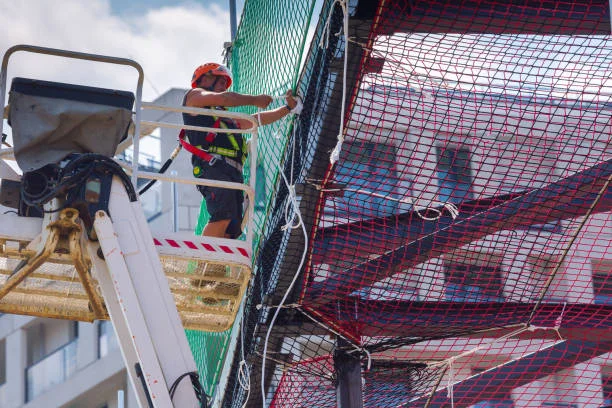
Key Takeaways
- Safety netting systems provide critical protection against falls and falling debris in industrial environments.
- Different types, personnel, debris, and perimeter netting serve specific safety functions.
- Proper installation, regular inspections, and compliance with safety standards are essential for effectiveness.
- Safety netting improves productivity, morale, and project continuity by reducing accidents.
- Modern innovations enhance durability, monitoring, and overall safety performance.
- Choosing an experienced provider ensures reliable, compliant, and customized solutions.
Ensuring worker safety remains a core priority in industrial environments, where the risks of falls and falling debris are significant. A highly effective way to minimize these hazards is by implementing reliable safety netting systems. These systems serve as essential protective barriers, safeguarding employees and equipment from injury or damage. Many organizations turn to specialized industrial safety netting providers to select solutions tailored for their specific operational needs and regulatory requirements.
Safety netting not only improves workplace safety but also helps maintain project timelines by reducing accident-related delays. When workers feel more secure on the job site, productivity rises, and morale improves, ultimately benefiting the entire organization.
Understanding the different types of safety netting and their applications is crucial for managers, safety professionals, and contractors working in industrial settings. Each type of safety net meets distinct needs, from catching personnel to containing hazardous debris.
Understanding Safety Netting Systems
Safety netting systems are engineered to intercept both falling workers and materials, reducing the risk of serious injuries and property damage. Used extensively on construction sites, in warehouses, and across various industrial locations, these nets are a cornerstone of modern workplace safety. Their two primary purposes are:
- Fall Protection: Preventing workers from striking the ground when working at height by absorbing and redistributing the force of a fall.
- Debris Containment: Catching tools or construction materials before they fall to lower levels or occupied areas, protecting those below.
Types of Safety Netting
Safety netting comes in a range of types, each offering specific advantages and tailored protection:
- Personnel Safety Nets: Made from robust, high-tensile materials, these nets are installed directly below active work areas to catch people in the event of a fall. Their strength and design are critical for high-elevation tasks.
- Debris Netting: Designed more for material containment than weight-bearing, debris nets are commonly attached to the exterior scaffolding of buildings and structures. Their fine mesh design efficiently stops small objects and construction debris.
- Perimeter Netting: Often used along the open edges of buildings under construction, perimeter netting acts as a barrier to prevent workers and equipment from inadvertently falling.
Compliance with Safety Standards
Safety net systems are most effective when installed and maintained in line with prevailing safety standards, such as those set by the Occupational Safety and Health Administration (OSHA) in the United States. OSHA mandates that safety nets, including indoor sport netting, be installed as near as practicable beneath the work surface and, in no case, more than 30 feet below the work surface. Weekly inspections for signs of wear, damage, or other hazards are also required to ensure continuous, reliable protection.
Failure to comply not only endangers workers but can also result in costly legal penalties and project shutdowns. Businesses must stay current with evolving regulatory requirements by continuously training staff and reviewing netting system performance.
Installation and Maintenance Best Practices
Well-installed and properly maintained netting is fundamental to ongoing site safety. The following practices ensure maximum effectiveness:
- Professional Installation: Only trained professionals should install safety netting to ensure proper anchoring, appropriate placement, and proper tensioning. Poor installation can undermine the system’s protective qualities.
- Regular Inspections: Nets should be checked at least weekly, and after any incident that may have compromised their integrity. Inspections should cover anchor points, mesh quality, and perimeter attachments.
- Compliance Checks: The safety team should periodically verify that all safety nets meet or exceed the most up-to-date regulatory standards and that inspection and maintenance records are diligently maintained.
Benefits of Implementing Safety Netting
The integration of safety netting into industrial operations brings tangible advantages:
- Enhanced Worker Safety: Safety nets save lives and prevent injuries, serving as a backup to other fall-prevention methods such as harnesses and guardrails.
- Protection for Equipment and Materials: By preventing tools and supplies from falling, these systems minimize costly damage and loss, protecting both company assets and co-workers below.
- Regulatory Compliance: Reliable netting makes it easier for companies to meet legal safety standards, reducing liability risks and avoiding penalties or work stoppages due to violations.
Beyond these benefits, safety netting positively impacts site morale and reputation, signaling a firm’s commitment to prioritizing worker safety.
Emerging Innovations in Safety Netting
The landscape of industrial safety netting is evolving as new materials and technologies emerge. Innovations such as UV-resistant fibers, flame-retardant netting, and lightweight yet high-strength synthetic threads are enhancing the capabilities and durability of modern safety nets. These advancements not only increase the protective features of the nets but also expand their suitability for challenging environments, including workspaces exposed to harsh weather or hazardous chemicals. The incorporation of smart sensors that monitor net tension, wear, and impact in real time is becoming more common, offering proactive alerts for maintenance or repositioning and further reducing the risks associated with traditional manual inspections. With the aid of digital records and automated tracking, companies can ensure that their safety netting solutions remain up to date with standards and provide auditable proof of compliance.
Choosing the Right Partner for Safety Netting Solutions
Selecting a reputable partner for industrial safety netting is paramount. The right provider will not only offer products tested to the latest safety standards, but also provide support with design, installation, and ongoing maintenance. Look for a company with comprehensive expertise, a proven track record, and the flexibility to customize solutions to meet unique site challenges. Providers who invest in employee training and who supply clear documentation and post-installation services help ensure the effectiveness and longevity of your safety netting investment. Leveraging their experience, you can further optimize your protocols and implement new technologies with confidence, setting a strong foundation for workplace safety improvement.
Final Thoughts
Safety netting systems are a non-negotiable element of modern industrial worksites. By familiarizing yourself with different net types, aligning installations with the latest regulations, and rigorously inspecting all systems, organizations can greatly reduce the risks of workplace accidents and create a culture of safety on every project.