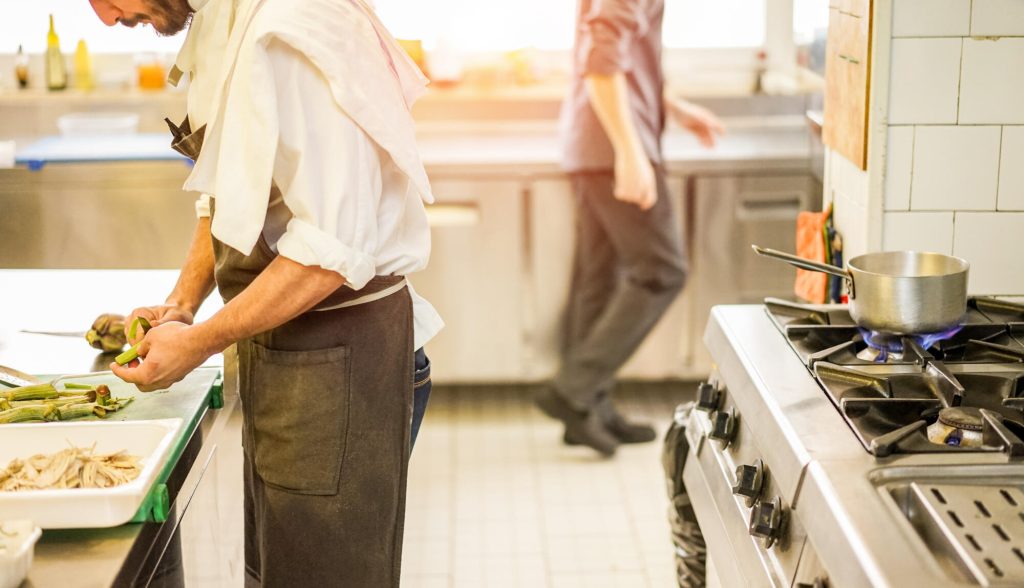
Routine grease cleaning helps keep kitchens safe and running smoothly. Grease builds up over time and can cause serious problems if ignored. Blocked pipes, bad smells, and safety risks can appear without regular cleaning.
Many facilities only act when issues become obvious. Preventive cleaning helps avoid these disruptions and keeps systems working well. Regular care also supports safety standards and protects equipment.
The subheadings below explain why routine grease cleaning is important for safer daily operations.
Preventing Costly Blockages and Backups
Routine grease cleaning helps prevent blockages that can disrupt operations. Grease builds up inside pipes and traps as daily cooking continues. Over time, this buildup becomes thick and restricts proper flow. Slow drainage is often the first warning sign of a problem.
If ignored, it can lead to complete blockages and backups. These issues can stop kitchen work and cause unwanted downtime. Regular cleaning removes buildup before it becomes severe. This keeps drainage systems working as expected every day. Preventing blockages protects both the system and daily productivity.
Reducing Fire Risks in Commercial Kitchens
Grease is highly flammable and can increase fire risks when left unmanaged. Accumulated grease in traps and pipes creates a dangerous environment. Heat from kitchen equipment can trigger ignition if grease buildup is excessive. Routine grease cleaning removes this fire hazard before it grows.
Clean systems reduce the chance of grease reaching risky levels. This simple step protects workers and the entire facility. Fire prevention should always be a top priority in busy kitchens. Regular cleaning supports safer cooking conditions every day. A clean grease system is an important part of overall fire safety.
Supporting Compliance With Health and Safety Standards
Health and safety standards require proper grease management. Inspectors often check grease traps and systems during routine visits. Dirty systems can result in warnings, penalties, or forced shutdowns. Routine grease cleaning helps facilities stay compliant with these rules.
Clean systems show commitment to safety and responsibility. Compliance protects both workers and customers. It also helps maintain a positive reputation. Regular maintenance prevents unexpected compliance issues. Meeting standards becomes easier with a consistent cleaning schedule.
Improving System Efficiency and Equipment Lifespan
Grease buildup forces systems to work harder than normal. This extra strain can damage pipes and equipment over time. Routine grease cleaning keeps systems working at their best. Clean systems allow smooth and efficient flow. This reduces wear and tear on important components.
Equipment lasts longer when it operates under normal conditions. Maintenance costs also remain lower over time. Efficient systems support consistent daily performance. Routine cleaning protects the investment in kitchen infrastructure.
Eliminating Odors and Maintaining a Clean Environment
Grease buildup often produces strong and unpleasant odors. These odors can spread through drains and kitchen areas. Routine grease cleaning removes the source of these smells. A clean system supports a more pleasant work environment.
Workers benefit from a fresher and cleaner space. Customers also notice when cleanliness is a priority. Professional grease tank cleaning helps remove deep buildup that causes odor problems. Removing grease regularly prevents odor from returning quickly.
Perform Routine Grease System Cleaning for Safer Operations
Routine grease cleaning is essential for safe and efficient kitchen operations. It prevents blockages, reduces fire risks, and supports compliance with safety standards. Clean systems also last longer and perform better each day. Regular maintenance helps eliminate odors and improves the work environment.
Environmental protection is another important benefit of proper grease management. Consistent cleaning prevents costly repairs and unexpected downtime. Routine grease cleaning supports safer operations and long term reliability.
Should you wish to read more, visit our blog. We’ve got more topics!