The Dominican Republic contains some of the best scenarios for climbing in the Caribbean, though the country is presently sparsely developed. If you’re looking to try rock climbing in Punta Cana, you’ll find a unique blend of natural limestone formations, tropical scenery, and guided experiences that make this destination ideal for first-timers and seasoned climbers alike.
The region offers diverse cliff activities, from beginner-friendly routes to more technical challenges. For those seeking a guided introduction to vertical adventures, consider a safe rappelling tour in Punta Cana with stunning natural landscapes and expert instruction.
Understanding climbing in Punta Cana: What to expect
Most climbing areas in the Dominican Republic consist of limestone, dolomite, coral, and marble of varying quality, with somewhere between 150-200 established sport and trad routes. The tropical maritime climate brings warm temperatures year-round, making it possible to climb during any season. However, humidity and occasional rain showers are common, so plan accordingly.
Climbing in the Caribbean means you can climb all year round with a temperate climate, especially in the southern coastal regions. The rock quality varies by location, with some areas featuring sharp, unclimbed limestone that requires careful handling. Beginners should focus on well-established routes with proper bolting and safety equipment.
For those new to the sport, guided experiences provide the necessary equipment, instruction, and supervision to ensure a safe and enjoyable first climb. Many tours cater specifically to beginners, offering routes that build confidence without overwhelming participants.
Expand your understanding—related posts designed to spark ideas instantly.
Rock climbing spots near Punta Cana
While Punta Cana itself has limited traditional climbing crags, the surrounding region offers several accessible options for outdoor climbing. Popular areas include Bayahibe and locations within reasonable driving distance like Parque Mirador del Sur and Playa Frontón.
Bayahibe climbing area
Bayahibe is accessible via an hour-long drive from Punta Cana on Highway 3, a toll road. This well-developed sport crag features solid limestone with routes suitable for various skill levels. The rock is relatively sharp due to minimal traffic, so gloves and careful hand placement are recommended.
Playa Frontón
Playa Frontón features a 90-meter cliff with metamorphic rock, colored limestone, and marble walls, with routes ranging from 5.4 to 5.13a. This location offers spectacular ocean views and a more adventurous atmosphere, though it requires more travel time from Punta Cana.
Parque Mirador del Sur
Parque Mirador del Sur offers enjoyable cliffs, boulders, sport, and top-rope routes for beginner climbers on natural rock near the city center. While located in Santo Domingo rather than Punta Cana, this urban crag provides an accessible introduction to Dominican climbing.
Guided adventure climbing in the Caribbean for beginners
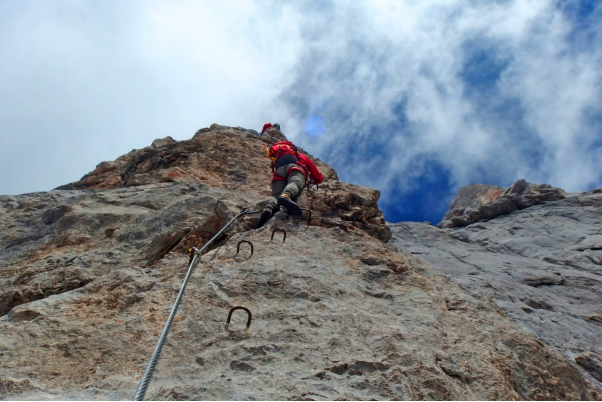
For those without personal climbing equipment or experience, guided tours offer the safest and most accessible entry point. These experiences typically include all necessary gear, professional instruction, and supervision throughout the activity.
Cliff-based adventures combine rappelling, climbing, and sometimes via ferrata elements to create a comprehensive vertical experience. Participants learn basic techniques, safety protocols, and rope handling under expert guidance. These tours often take place on private cliffs with established safety systems, making them ideal for first-time climbers.
The typical guided experience includes:
- Safety briefing and equipment fitting
- Basic climbing technique instruction
- Supervised climbs on beginner-friendly routes
- Professional-grade harnesses, helmets, and ropes
- Trained instructors monitoring each participant
Essential Preparation
Before attempting any climbing activity, proper preparation ensures both safety and enjoyment. Here are key considerations for beginners:
- Physical requirements: Basic fitness is sufficient for beginner routes, though upper body strength and core stability help. Most guided tours accommodate various fitness levels but may have restrictions for certain medical conditions.
- What to bring: Water shoes or closed-toe athletic shoes with good grip, comfortable athletic clothing, sunscreen, insect repellent, and plenty of water. Avoid loose jewelry and tie back long hair.
- Safety considerations: Many seaside crags are undergoing rebolting with titanium hardware to withstand corrosive forces, so educate yourself on inspecting hardware if climbing independently. For guided tours, professional operators maintain equipment to high safety standards.
- Weather awareness: Tropical conditions mean sudden rain showers are possible. Morning sessions often offer cooler temperatures and better conditions than midday climbs.
Via ferrata in Punta Cana and cliff activities
Via ferrata routes provide a middle ground between hiking and technical climbing, using fixed cables, ladders, and bridges to navigate cliff faces. While traditional via ferrata routes are less common in Punta Cana compared to European destinations, several adventure parks offer similar cliff-based activities.
These experiences typically involve:
- Descending cliff faces using rappelling techniques
- Climbing back up using fixed ropes and natural holds
- Traversing horizontal sections with safety cables
- Enjoying panoramic views of tropical landscapes
The combination of natural rock formations, professional safety systems, and expert guidance makes these activities accessible to beginners while still providing genuine adventure climbing thrills.
Practical tips for your climbing adventure
- Booking considerations: Reserve guided tours in advance, especially during peak tourist seasons. Confirm what’s included in your package and any restrictions that might apply.
- Group size: Smaller groups typically receive more personalized instruction and have shorter wait times between climbs.
- Photography: Many tours offer photo packages, but check policies about bringing personal cameras or phones on the climb.
- Combining activities: The development of climbing in the Dominican Republic is increasing with new routes for beginners and more challenging ones, plus repairs in titanium material for coastal areas. Consider pairing your climbing experience with other outdoor activities like cenote swimming, cave exploration, or zip-lining for a full day of adventure.
Rock climbing in Punta Cana offers an exciting way to experience the Caribbean beyond its famous beaches. Whether you’re taking your first vertical steps on a guided cliff tour or seeking more challenging outdoor climbing spots in the region, the Dominican Republic’s developing climbing scene provides accessible options for all skill levels.
The combination of tropical scenery, quality limestone formations, and professional guided experiences creates an ideal environment for discovering this thrilling sport in a unique Caribbean setting.
More valuable insights await—explore content that expands your perspective.