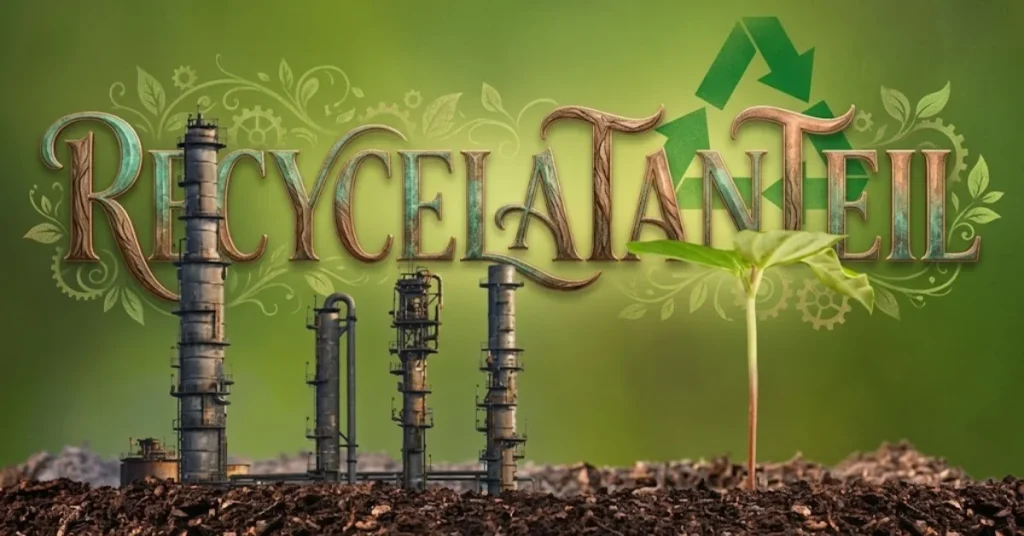
Introduction to the Concept of Recyclatanteil
In a world increasingly aware of the environmental consequences of our actions, innovative solutions are essential. One such solution gaining traction is recyclatanteil, a concept that turns industrial waste into valuable products. Imagine transforming what was once deemed useless into something beneficial for both business and the planet. This approach not only minimizes waste but also paves the way for sustainable practices across various industries. As we dive deeper into this transformative idea, we’ll explore how recyclatanteil can reshape waste management and boost sustainability efforts worldwide.
The Environmental Impact of Industrial Waste
Industrial waste poses a significant threat to our environment. Each year, millions of tons are generated, contributing to pollution and habitat destruction.
Toxic substances from factories can leach into soil and waterways, affecting ecosystems and human health alike. Contaminated water sources lead to the decline of aquatic life, disrupting food chains.
Airborne pollutants released during manufacturing processes contribute to climate change and respiratory diseases in communities nearby. Industrial sites often experience land degradation due to improper waste disposal methods.
The pressing issue calls for innovative solutions that prioritize sustainability. Adopting practices like recyclatanteil could transform how we perceive industrial byproducts, turning potential hazards into valuable resources while minimizing environmental footprints.
Societies must recognize the urgency of addressing this growing problem before it spirals further out of control. By understanding the implications of industrial waste, we can drive meaningful changes toward more responsible management strategies.
How Recyclatanteil Can Address the Issue of Waste Management?
Recyclatanteil offers a fresh perspective on the growing waste management crisis. By integrating recycled materials into production processes, industries can significantly reduce their reliance on virgin resources. This shift not only conserves raw materials but also minimizes energy consumption during manufacturing.
Incorporating recyclatanteil means products are designed with sustainability in mind from the start. Businesses become aware of their environmental footprint and take steps to mitigate it through innovative recycling methods.
Moreover, using recycled content often leads to lower disposal costs for companies. It creates a closed-loop system where waste is seen as a valuable resource rather than just refuse.
As more organizations adopt this approach, we can expect a significant decrease in landfill contributions while fostering an eco-friendly mindset across various sectors. Recyclatanteil has the potential to inspire other industries to rethink how they handle waste and embrace sustainability wholeheartedly.
Examples of Companies Using Recyclatanteil in Their Production Processes
Several companies are leading the charge in integrating recyclatanteil into their production processes. For instance, a well-known automotive manufacturer has begun using recycled plastics sourced from industrial waste in its vehicle interiors. This innovative approach not only reduces waste but also enhances the durability of their products.
Another example is a fashion brand that utilizes fabric made from post-consumer textile waste. By incorporating recyclatanteil, they create stylish garments while significantly lowering their carbon footprint.
In construction, some firms are utilizing recycled materials such as concrete and metals to produce sustainable building components. These strategies not only address environmental concerns but also appeal to eco-conscious consumers who prioritize sustainability.
Each of these companies showcases how adopting recyclatanteil can lead to smarter resource management and new opportunities for growth within various industries.
Benefits and Challenges of Implementing Recyclatanteil
Implementing recyclatanteil offers numerous benefits. It significantly reduces the volume of waste sent to landfills, contributing to a cleaner environment. By repurposing industrial materials, companies can lower production costs while enhancing their brand image as sustainable entities.
However, challenges do exist. Sourcing quality recycled materials can be inconsistent and may affect product integrity. Additionally, adapting existing production processes to incorporate recyclatanteil often requires substantial investment in technology and training.
Regulatory hurdles also pose difficulties for businesses trying to implement these practices effectively. Navigating compliance with environmental regulations demands time and expertise that some companies might lack.
Despite these obstacles, the potential rewards are compelling. A commitment to recyclatanteil not only fosters innovation but also aligns businesses with growing consumer demand for environmentally friendly products.
The Future of Recyclatanteil in Sustainability and Circular Economy
The future of recyclatanteil holds immense promise for sustainability and the circular economy. As industries increasingly recognize their environmental footprint, integrating recycled materials into production processes becomes essential.
Innovative technologies are emerging to enhance the efficiency of recycling systems. These advancements make it easier to reclaim valuable resources from waste, ensuring that fewer materials end up in landfills.
Companies are now looking beyond traditional manufacturing methods. They are embracing a model where products have extended life cycles through repairability and recyclability, driven by the principles of recyclatanteil.
Consumer awareness is also on the rise. Shoppers prioritize sustainable choices, pushing businesses to adapt or risk losing market share. This shift represents a significant opportunity for companies committed to incorporating more recycled content in their offerings.
Collaboration across sectors will be vital as we move forward. Partnerships between manufacturers, governments, and consumers can foster an ecosystem that thrives on reused resources and encourages responsible consumption habits.
Conclusion: Why We Should Embrace and Support Recyclatanteil ?
Embracing and supporting recyclatanteil is not just an option; it’s a necessity. The world is increasingly facing the consequences of industrial waste, which poses significant environmental challenges. By focusing on recyclatanteil, we can transform these materials into valuable resources instead of letting them contribute to pollution and landfill overflow.
This sustainable approach promotes a circular economy that benefits businesses and communities alike. Companies adopting recyclatanteil are leading the charge in innovation, creating products with reduced environmental footprints while still maintaining quality. These forward-thinking organizations show us that profitability does not have to come at the expense of our planet’s health.
Moreover, supporting recyclatanteil can foster job creation within the recycling and manufacturing sectors. It opens doors for new technologies and methods that enhance product lifecycles. As consumers become more environmentally conscious, their demand for sustainable practices will drive even more companies to adopt this model.
In a world where climate change is becoming increasingly apparent, shifting towards recyclatanteil could be one of our most impactful solutions for waste management issues. Each step taken towards implementing this practice contributes to broader sustainability goals essential for future generations.
By championing recyclatanteil, we take an active role in protecting our environment while also encouraging economic growth through innovative practices—and that’s something worth advocating for.