How AI Image Generation Is Changing Creative Work
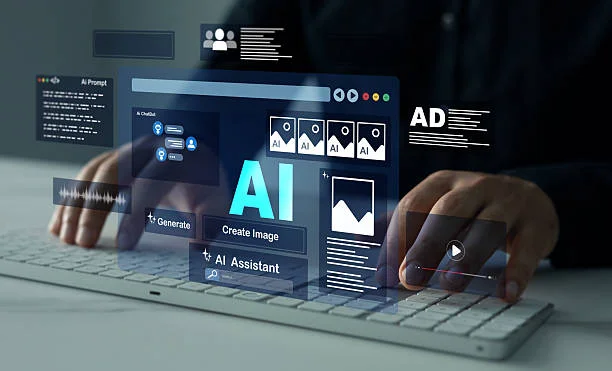
Artificial intelligence is no longer a futuristic concept; it’s a practical tool reshaping creative industries. AI image generation allows anyone to create visuals from simple text descriptions, a process known as text-to-image AI. Similarly, AI image editing tools empower users to modify existing photos using natural language commands, making complex edits more accessible than ever.
These technologies are transforming how professionals approach visual content. The most significant change is speed. Creative teams can now generate concepts and finished assets in minutes, not days. This accelerated workflow drastically reduces turnaround times and lowers production costs associated with traditional photoshoots and lengthy design cycles.
Furthermore, AI image generators are democratizing design. They give non-designers, like marketers or small business owners, the ability to produce high-quality, on-brand visuals without extensive technical skills. This opens up new possibilities for content creation, ensuring even small teams can compete with polished, professional imagery.
See how this topic expands with helpful related insights.
AI Image Generation in Design and Prototyping
For designers, AI image generation has become a powerful ally in the early stages of creation and iteration. It provides a way to rapidly prototype ideas and visualize concepts without committing significant time or resources. This allows for greater creative exploration and helps clients see a vision come to life much faster.
In fashion and e-commerce, AI tools are used for virtual try-ons, allowing customers to see how clothing might look on different body types. For interior designers, AI can generate mockups of a room with different furniture, colors, and lighting. Product designers can create realistic renderings of packaging or new devices, experimenting with materials and branding elements before a physical prototype is ever made.
This quick iteration cycle is invaluable. Designers can explore countless variations of a layout, color scheme, or scene to find the perfect fit. This not only speeds up the approval process with stakeholders but also results in a more refined and well-considered final product, from UI/UX visuals to complete brand identities.
AI-Powered Visuals for Marketing and Advertising
Marketing and advertising teams operate under constant pressure to deliver fresh, engaging content across numerous channels. Generative AI for marketing has emerged as a key solution for producing high-quality visuals at the necessary scale and speed. It streamlines the creation of ad creatives, product imagery, and campaign assets.
Instead of organizing expensive and time-consuming photoshoots, teams can use AI to generate unique lifestyle scenes featuring their products. Need a product shown on a beach in Bali and a cityscape in Tokyo? AI can create both in seconds. This flexibility is crucial for A/B testing, as marketers can produce dozens of ad variations with different backgrounds, models, and styles to see what resonates most with their target audience.
AI tools for campaign creatives also help maintain brand consistency. By training a model on a brand’s specific aesthetic, companies can ensure that every generated visual aligns with their guidelines. This makes it easier to personalize content for different demographics or regions while adapting creatives for the unique formats of platforms like Meta, Google, and TikTok.
Scalable Content Creation for Social Media and Blogs
Content creators, bloggers, and social media managers are tasked with maintaining a consistent and engaging online presence. AI tools for content creators have become essential for scaling visual content production without needing a large design budget or team.
From eye-catching YouTube thumbnails and blog headers to a series of graphics for an Instagram carousel, AI image generation makes it simple to produce a steady stream of unique visuals. Creators can tailor these assets to the specific dimensions and style of each social media platform, ensuring their content looks professional everywhere.
Beyond generation, AI image editing tools offer practical benefits. They can quickly clean up assets by removing unwanted text or logos from stock images, or even restore and enhance the quality of older photos. This allows creators to build a cohesive brand identity and post more frequently, which is critical for growing an audience and maintaining engagement.
Nano Banana: A Practical Example of AI Image Generation
The theoretical benefits of AI become clear when you see them in a practical tool. Platforms like Nano Banana show how advanced AI image generation works in practice, offering a suite of features designed for professional workflows. These platforms bridge the gap between simple prompts and commercially viable assets.
Nano Banana, for example, provides sophisticated text-based image generation and editing. Its capabilities go beyond basic creation, offering features like multi-image fusion, which allows users to blend elements from several images into a single, cohesive scene. The platform also specializes in one-shot, high-accuracy edits from natural language, so you can make precise changes without complex commands.
One of the most significant challenges in AI-generated content is maintaining character consistency. Tools like this address that problem, enabling creators to use the same character across multiple images and scenarios. Other professional features include seamless background changes, text removal, and detailed facial editing. Crucially, it supports the commercial use of generated images, making it a reliable choice for marketing, advertising, and professional content creation.
Key Benefits and Future Outlook
The value of AI image generation extends far beyond just creating pretty pictures. It represents a fundamental shift in the efficiency and accessibility of visual production. This technology is becoming a standard part of the creative toolkit, helping teams work smarter and faster.
The long-term benefits are clear and compelling:
- Faster production of on-brand visuals for campaigns and content.
- Lower design, stock photography, and photoshoot costs.
- Easier experimentation with creative concepts, styles, and variations.
- Consistent characters and scenes across multi-channel marketing efforts.
- Scalable content creation that supports a robust digital presence.
Looking ahead, the technology will only improve. We can expect greater realism, more granular control over outputs, and deeper integration into the everyday software that creative professionals already use. As AI evolves, so will the conversation around its ethical and responsible use, ensuring that it remains a tool that empowers human creativity, rather than replacing it.
Final Thoughts
AI image generation has officially moved from a novelty to a practical and powerful asset for modern creative teams. For designers, marketers, and content creators, these tools offer an unprecedented ability to produce high-quality visuals at scale, iterate on ideas instantly, and bring ambitious creative visions to life with remarkable efficiency.
It’s no longer a question of if AI will impact creative work, but how you will leverage it. By embracing these new technologies, you can streamline your workflows, reduce costs, and unlock a new level of creative potential. Exploring a platform like Nano Banana for your next project is a great first step toward integrating this transformative tool into your own creative process.
Explore more stories, tips, and insights worth your time at 2A Magazine.