Use a practical starting point to plan meals, avoid waste, and make raw feeding easier to stick with.
Starting a raw feeding routine often sounds simpler than it feels in practice. Many dog owners can find ingredient lists, sample menus, and feeding charts, but the hard part is turning that information into a system they can actually follow every day. The first challenge is usually portioning. The second is consistency. A workable routine needs both.
Why portion estimates matter more than most people think
A routine only works when the starting point is realistic. Feeding too much can lead to waste and unintended weight gain, while feeding too little can make owners second-guess whether their dog is getting enough. That is one reason nutrition guidance from veterinary organizations emphasizes regular nutritional assessment rather than relying on guesswork alone. The World Small Animal Veterinary Association notes that feeding plans should be individualized, and AAHA’s nutrition guidance highlights body weight, body condition score, muscle condition score, activity, and diet history as relevant parts of evaluating a pet’s nutrition plan.
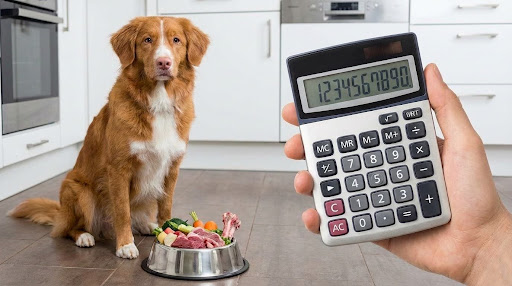
For many households, a calculator is the most practical way to create that starting point. Instead of trying to build a routine from scattered percentages and forum advice, readers can use a raw dog food calculator as a simple reference for estimating daily portions before making adjustments based on their dog’s response.
A routine becomes easier when the inputs are clear
One reason raw feeding feels hard to maintain is that owners are often trying to account for several variables at once. A growing puppy, a sedentary adult dog, and a highly active dog will not all need the same amount of food. Body condition also matters. WSAVA and AAHA both provide body condition scoring resources because weight alone does not tell the full story; two dogs at the same weight may have very different nutritional needs depending on muscle mass, fat stores, and activity level.
That is why a repeatable feeding routine should begin with a few stable inputs: current weight, ideal body condition, life stage, and activity level. Once those variables are clear, the owner has something much more useful than a one-size-fits-all chart. They have a baseline. From there, the routine becomes more manageable because the question changes from “How much raw food should I feed?” to “How is my dog doing this amount over time?”
Consistency depends on monitoring, not perfection
A common mistake with any feeding plan is treating the first number as final. In reality, a sustainable routine is usually built through small adjustments. Veterinary nutrition guidance generally supports ongoing reassessment because a dog’s needs can change with age, exercise, health status, and body composition. In other words, the routine should be consistent, but the amount may still need to evolve.
This is especially important for owners who want raw feeding to remain practical rather than stressful. Weekly weigh-ins are not necessary for every dog, but regular check-ins can help. A simple pattern works well: start with an estimate, watch body condition, review stool quality and energy levels, and adjust gradually when needed. That approach is easier to maintain than constantly changing the plan or restarting from scratch.
Food safety is part of a maintainable system
A routine is not just about math. It also has to fit real life. That includes shopping, storage, thawing, portioning, and sanitation. The U.S. Food and Drug Administration has repeatedly advised that raw pet food can carry harmful bacteria and should be handled with care to reduce risk for both pets and people. FDA guidance also states that pet food must be safe, produced under sanitary conditions, and truthfully labeled.
For that reason, a practical raw feeding system should include basic handling habits from the beginning. Owners who portion meals in advance, clean prep surfaces promptly, and store food carefully tend to find the routine easier to sustain. The more predictable the process becomes, the less likely it is to feel like a daily disruption.
The goal is a routine you can continue, not just start
The appeal of a calculator is not that it solves every nutrition question on its own. Its real value is that it helps turn intention into structure. For first-time raw feeders, that structure matters. It reduces wasted food, lowers the chance of inconsistent portioning, and gives owners a clearer process they can follow from one week to the next.
A durable routine usually has three parts: a reasonable starting estimate, regular observation, and a simple meal-prep process that fits the household. When those pieces are in place, raw feeding feels less like a moving target and more like a manageable system.
A practical feeding plan should always leave room for professional guidance when needed, especially if a dog has medical issues, unusual weight changes, or specific dietary requirements. But for many owners, the first step is simply building a repeatable daily rhythm. That process starts with getting the portion estimate close enough to work in real life.
Additional Resources
Readers looking at long-term convenience and planning can also review this dog food subscription resource.