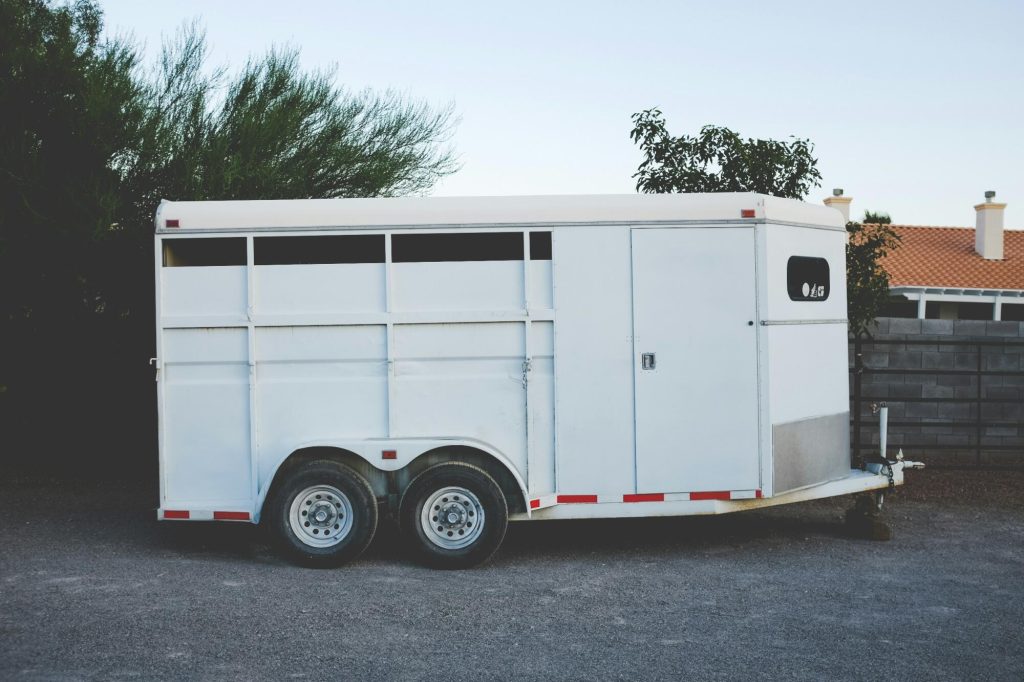
If you own a trailer, you know how important it is to keep it in good shape. But with regular use, it can be hard to make sure everything stays working well. Don’t worry-this guide will give you easy tips to keep your trailer strong and reliable.
We’ll cover basic care and how to fix common problems. Whether you’re heading out on a trip or using your trailer for work, these tips will help you protect it and save time and money.
So get ready to learn how simple routines can keep your trailer running smoothly for a long time.
Understanding the Importance of Quality Trailers
Good-quality trailers aren’t just nice to have-they’re important for anyone who needs to move goods. The right trailer helps you work faster and gives you confidence while transporting cargo. Using poorly made trailers can cause accidents, damage your load, and even lead to legal trouble if they don’t meet safety rules.
Many road accidents happen because trailers are not secured or are not built well. Choosing a strong, well-designed trailer helps avoid these problems and keeps your cargo safe. To make the job even easier, pairing your setup with a reliable trailer dolly ensures you can maneuver and position your equipment with precision and ease.
Key Features of Secure and Reliable Trailers
Keeping trailers safe and reliable is important for both drivers and the cargo they transport. Several key features help a trailer stay secure and work well. First, a strong frame made from quality materials like steel or aluminum is important.
It gives the trailer the strength it needs to handle heavy loads and rough roads. The braking system is also crucial.
It must be well cared for and able to stop the trailer quickly in an emergency. Secure locks, working lights, good electrical systems, and regular check-ups all play a big role in keeping a trailer safe and dependable.
The Benefits of Investing in Quality Trailers
Buying a good-quality trailer has many benefits and is worth the money. First, quality trailers are made with strong materials, so they last longer and don’t need as many repairs. They can also carry heavier and larger loads.
Many high-quality trailers include safety features like anti-lock brakes and stability control, which help prevent accidents. They are also built to use fuel more efficiently, saving you money over time.
Because they are more reliable and break down less often, they help you work faster and with fewer delays. You may also check quality trailers, like those offered by Pro-line Trailers, for instance, that are engineered for longevity, which translates to lower long-term costs. Overall, choosing a quality trailer is a smart choice for both personal and business use.
Choosing the Right Trailer for Your Needs
With a diverse range of trailers available in the market, selecting the right one can seem daunting. Factors to consider include:
Type of Cargo
The type of cargo you plan to transport is crucial in determining the right trailer. For example, enclosed trailers are suitable for fragile items, while flatbed trailers are ideal for heavy machinery.
Towing Vehicle Compatibility
Your towing vehicle’s specifications must match the trailer’s weight capacity. Ensure that your vehicle is equipped with the proper hitch and has enough towing capacity to handle the trailer confidently.
Frequency of Use
Consider how often you will use the trailer. If needed for regular transport, investing in a higher-end model can save you money over time due to lower maintenance costs and improved durability.
Design Considerations for Trailers
A well-designed trailer not only increases the safety of transport but also enhances functionality. Key design considerations include:
Weight Distribution
Proper weight distribution is vital for safe towing. A trailer should be designed so that the weight is evenly distributed across all axles to prevent swaying and enhance stability.
Tire Quality
The quality of tires plays a crucial role in the overall performance of a trailer. Recognizing the load specifications and optimizing tire strength accordingly leads to a more stable transport experience.
Accessibility and Loading Features
Look for trailers that facilitate easy loading and unloading. Features such as ramps, roll-up doors, and adjustable shelves can significantly streamline operations.
Safety Standards and Regulations
Familiarizing yourself with local trailers safety standards and regulations is essential. Governments and transport authorities often have strict guidelines that trailers must meet to ensure safe operation on public roads.
The Federal Motor Carrier Safety Administration (FMCSA) outlines various safety regulations for trailers, including specifications for lighting, brakes, and cargo securement. Regular inspections and compliance with these regulations are crucial to maintaining safety and avoiding legal troubles.
Maintenance Tips for Lasting Performance
Proper maintenance is crucial to ensure lasting performance of quality trailers. One of the key maintenance tips is to regularly check and lubricate all moving parts such as hinges and axles to prevent rust and corrosion. It is also important to inspect the tires for proper inflation and wear, and replace them if necessary.
Additionally, keeping the interior and exterior of the trailer clean and free of debris will not only improve its appearance, but also prevent damage to the structure. Ensuring timely repairs for any damages, as well as storing the trailer in a covered area when not in use, will help extend its lifespan and provide reliable performance for all your hauling needs.
Innovations in Trailer Technology
The trailer industry is consistently evolving, with new technologies enhancing safety, efficiency, and functionality. Some notable innovations include:
Smart Trailers
Modern trailers often come equipped with smart technologies that provide real-time monitoring of cargo conditions, temperature, and location. This technology enables fleet managers to track their loads and optimize routes.
Advanced Braking Systems
Emerging braking technologies, including anti-lock systems, significantly improve stopping distance and trailer control.
Lightweight Materials
Innovations in lightweight materials not only enhance performance but also improve fuel efficiency by reducing the overall weight of trailers.
Prioritize Safety and Reliability in Trailer Selection
Proper maintenance is essential for ensuring that your quality trailer remains in peak condition for years to come. Regularly checking and servicing the various components, as well as practicing safe driving habits, can greatly extend the life and performance of your trailer.
Remember to follow these tips for a lasting and reliable trailer. Don’t neglect your maintenance duties and keep your trailer running smoothly – schedule a tune-up today!
Looking for more tips and advice? You’re in the right place! Make sure to bookmark our page and come back to check out more interesting articles.