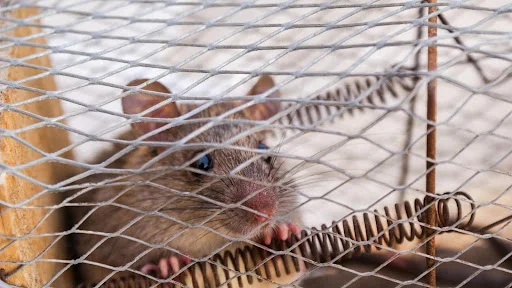
Pests rarely show up all at once. They start with one small gap under a door, a drip under the sink, or a forgotten bag of pet food in the garage Pest Infestations. Once they find food, water, and shelter, they settle in fast.
The best protection is a simple routine that makes your home hard to live in for pests. You do not need to be perfect, but you do need to be consistent. Small fixes done early usually cost less time and stress than dealing with a full-blown infestation later.
Start With The Signs People Miss
Most infestations leave hints before you spot the pest itself. Watch for droppings, gnaw marks, grease smears, or shredded paper tucked into corners. In kitchens, look behind the fridge and under the stove where crumbs collect.
Noise can be a clue at night. Scratching in walls, tapping above ceilings, or pets fixating on one area often signal activity. A musty odor in cabinets can point to nesting nearby.
Do a quick scan weekly along baseboards and storage areas. Check pantry corners, utility closets, and garage edges. Early detection gives you simpler fixes and fewer surprises.
Seal Entry Points Before You Set Traps
Pests do not need much space to get in. A loose door sweep, a cracked vent cover, or a gap around pipes can be enough. When you block access, you cut off the easiest path to your pantry and wall voids.
If you are dealing with recurring activity, it helps to treat sealing as a system, not a one-time patch. Many homeowners find that Minneapolis rodent control is most effective when combined with tight exclusion work, like the steps outlined here. That approach reduces repeat visits because you are fixing the reason pests keep coming back.
Start with the basics: doors, windows, foundation gaps, utility lines, and garage corners. Then move to attic vents, crawlspace openings, and any spot where different building materials meet. A good seal turns your house into a dead end Pest Infestations.
Remove Food And Water Like It’s A Checklist
Food sources are not always obvious. Crumbs under appliances, open cereal boxes, and pet bowls left out overnight can feed pests. Trash and recycling with residue count as steady meals.
Make nightly cleanup simple. Wipe counters, sweep high-traffic areas, and store dry goods in sealed containers. Reduce cluttered “snack zones” like bedside tables and office drawers.
Water is just as attractive as food. Fix slow leaks, dry damp rags, and keep sinks clear of standing water. In basements, control humidity with ventilation or a dehumidifier. When food and water disappear, pests lose their reason to stay.
Clean Up Clutter Where Pests Hide
Clutter creates shelter, warmth, and privacy for pests. Cardboard boxes, paper stacks, and crowded storage rooms become easy nesting zones. The more cover you offer, the longer pests can avoid you.
Start with garages, basements, and attics. Replace cardboard with sealed bins and elevate items off the floor. Leave a few inches of space along walls so you can inspect for droppings or gnawing.
Outside clutter matters too. Keep firewood away from the house and trim shrubs off the siding. Clear leaf piles from the foundation line Pest Infestations. A tidy perimeter removes staging areas and makes entry less likely.
Choose Humane, Practical Control Methods
Control works best when it is targeted and calm. Pick a method that fits the pest and the location, then pair it with sealing and cleanup. Otherwise, you are only catching symptoms while the cause remains.
Be cautious with tools that create prolonged suffering. The Associated Press has reported criticism of glue traps as cruel devices that can leave animals stuck until they die. Many homeowners choose alternatives that act faster or allow release.
Place traps where pests actually travel, usually along walls and behind appliances. Use gloves, follow label directions, and check traps often. If activity continues, revisit entry points and sanitation before adding more devices.
Know When The Problem Is Bigger Than DIY
Some infestations outgrow weekend fixes. If you keep seeing droppings after sealing and cleaning, there may be hidden access points or established nesting. Multi-unit buildings can add complexity because pests move between shared spaces.
Health risks matter. Large amounts of droppings Pest Infestations, strong odors, or pests in HVAC areas require extra care. Cleaning without the right precautions can spread contaminated dust in enclosed rooms.
Professional help is useful when the issue is structural. Gaps behind siding, roofline openings, and crawlspace access points can be hard to reach. A good service plan combines inspection, exclusion, sanitation, and follow-up. That approach saves time and reduces repeat problems.
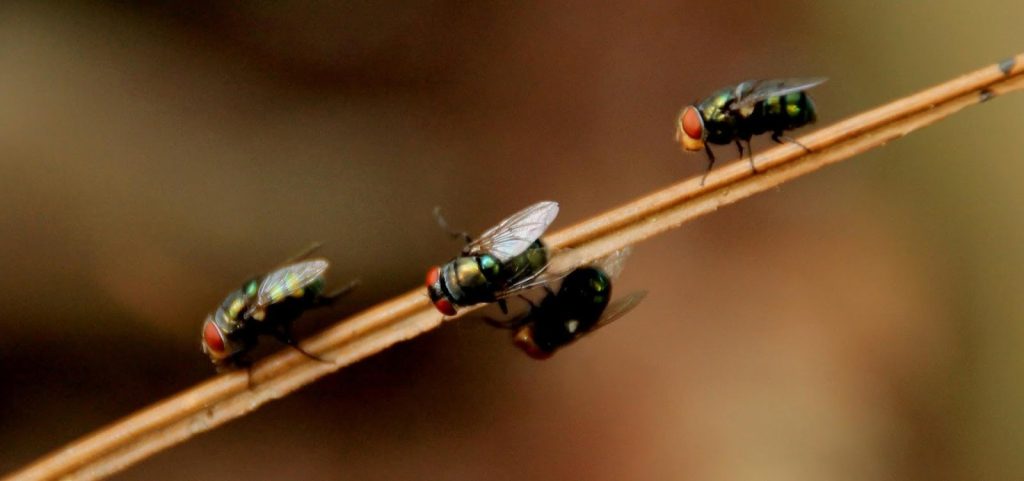
Infestations feel personal, but they are usually just practical problems with practical causes. When you focus on entry points, food, water, and shelter, you are removing what pests need to stick around.
If you build a simple routine and respond quickly to early signs, your home stays harder to invade. The goal is a house that is not worth the effort for pests looking for an easy place to live.
Hungry for more? Dive into additional tips, ideas, and stories curated for you at 2A Magazine.